Unmanned powder feeding and conveying equipment represents a sophisticated solution for the efficient and automated handling of bulk powders in industrial settings. This technology is designed to streamline the process of transporting and distributing powders without the need for human intervention, enhancing operational efficiency and safety in various manufacturing and processing applications.
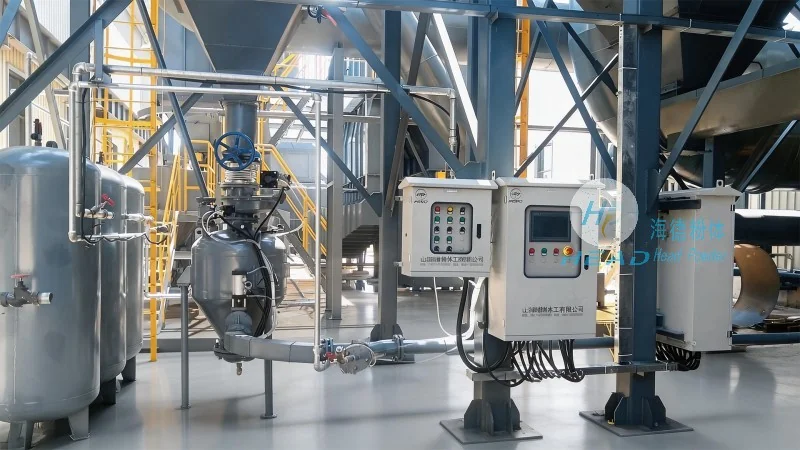
Understanding the Core Functionality of Unmanned Powder Conveying Systems
At its essence, an unmanned powder feeding and conveying system is engineered to handle the transport of bulk materials such as powders, granules, and other particulate substances. These systems are typically integrated into production lines where consistent and reliable material flow is critical. The equipment operates through a combination of mechanical components, control systems, and sometimes pneumatic or hydraulic mechanisms, ensuring that powders are moved from storage silos or hoppers to processing units, packaging stations, or other destinations within a facility.
Key Design Principles Behind Unmanned Powder Handling Equipment
The design of unmanned powder feeding and conveying equipment is guided by several fundamental principles aimed at optimizing performance, reliability, and safety. One of the primary principles is the minimization of material degradation and contamination, which is achieved through the use of specialized materials for construction, such as stainless steel or food-grade components, and sealed systems that prevent dust exposure and cross-contamination. Another critical principle is the integration of advanced control technologies, including sensors and programmable logic controllers (PLCs), to monitor and adjust the flow rate, pressure, and other operational parameters in real-time. This ensures that the system operates within optimal conditions, preventing overloading or underflow that could disrupt production.
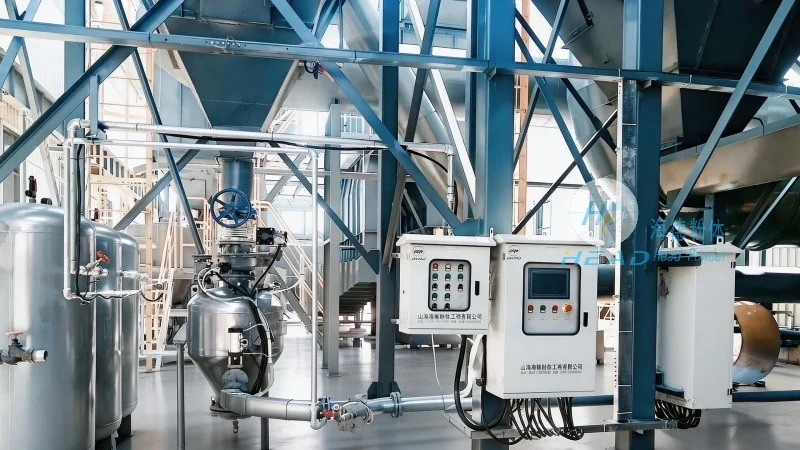
Components and Mechanisms of Unmanned Powder Conveying Systems
Unmanned powder feeding and conveying equipment typically consists of several key components that work in concert to achieve efficient material transport. The main components include a hopper or storage vessel for holding the powder, a feeding mechanism such as a rotary valve or screw conveyor to control the flow of material, a conveying system like a pneumatic duct or a mechanical conveyor to move the powder through the system, and a control panel or system that manages the operation of all components. The feeding mechanism is often designed with features such as a variable speed drive to adjust the flow rate based on the requirements of the downstream process. The conveying system may use air pressure (pneumatic) or mechanical force (like belt or screw conveyors) to transport the powder, with the choice of method depending on the characteristics of the powder and the distance it needs to travel.
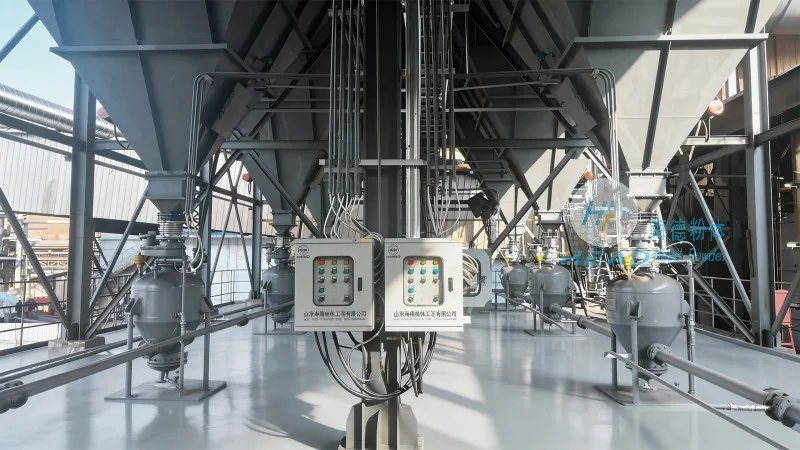
Advantages of Unmanned Powder Feeding and Conveying Equipment
Implementing unmanned powder feeding and conveying systems offers numerous advantages for industrial operations. Firstly, these systems enhance safety by eliminating the need for human workers to be in close proximity to moving machinery or dusty environments, reducing the risk of accidents and exposure to hazardous materials. Secondly, they improve operational efficiency by providing consistent and continuous material flow, which can lead to increased production throughput and reduced downtime. Thirdly, the automation of the process allows for precise control over the amount of material being fed, ensuring that the downstream equipment operates at optimal levels and minimizing waste. Additionally, unmanned systems can operate 24/7 without the need for breaks or shifts, maximizing the utilization of the equipment and the overall production capacity.
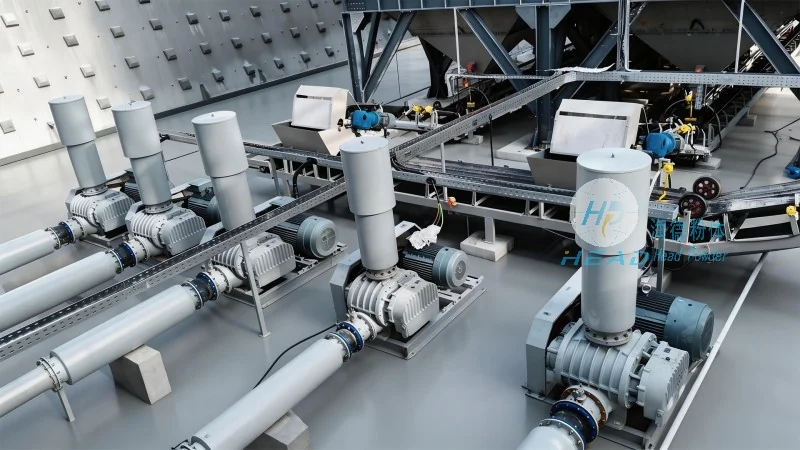
Application Examples in Various Industries
Unmanned powder feeding and conveying equipment is widely used across a range of industries where bulk powders are processed. In the pharmaceutical industry, these systems are used to transport active pharmaceutical ingredients (APIs) and excipients with high precision, ensuring that the quality and purity of the final product are maintained. In the food and beverage industry, they are employed to handle ingredients like flour, sugar, and spices, with strict adherence to hygiene standards to prevent contamination. The chemical industry also utilizes these systems for transporting raw materials and intermediates, often in environments where dust control and explosion-proof features are essential. In the mining and minerals sector, unmanned powder conveyors are used to transport ore and other bulk materials from processing plants to storage or shipping facilities, improving the efficiency of material handling operations.
About Shandong HeadPowder Engineering Co., Ltd.
Shandong HeadPowder Engineering Co., Ltd., commonly known as HeadPowder, is a leading manufacturer specializing in the design, development, and production of advanced powder handling equipment. With a focus on innovation and customer-centric solutions, HeadPowder has established itself as a trusted partner in the industry, providing high-quality unmanned powder feeding and conveying systems tailored to the specific needs of various applications. The company is committed to delivering reliable and efficient equipment that meets international standards and enhances the productivity and safety of its clients' operations. HeadPowder's products are engineered with precision and durability in mind, ensuring long-term performance and minimal maintenance requirements. The company's headquarters is located in Shandong, China, where it leverages its expertise and resources to serve a global clientele.




