For industrial operations that require efficient and reliable handling of bulk materials, understanding the technology behind continuous feeding and conveying systems is crucial. This article, presented by Shandong HeadPowder Engineering Co., Ltd. (headpowder), delves into the concept of continuous bulk material feeding and conveying equipment, exploring its purpose, key components, and the underlying design principles that ensure optimal performance in various industrial applications.
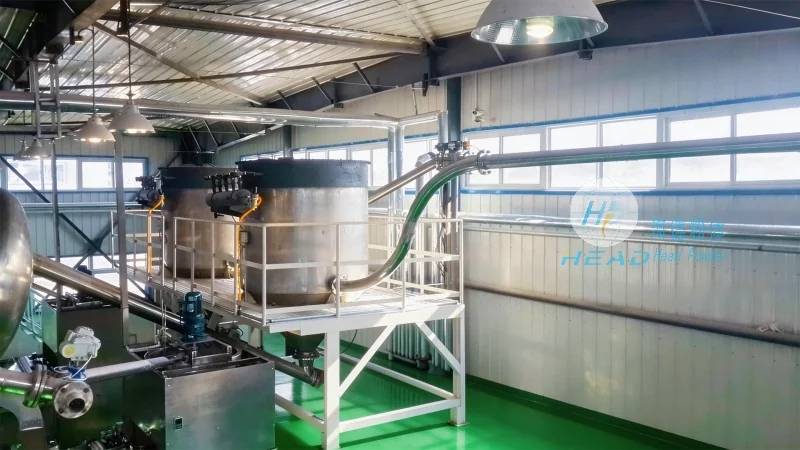
Introduction to Continuous Bulk Material Feeding and Conveying Equipment
Continuous bulk material feeding and conveying equipment is a specialized system designed to transport bulk solids, such as powders, granules, and other particulate materials, from one location to another with consistent flow rates. Unlike batch or intermittent systems, these equipment operate continuously, providing a steady stream of material that meets the demands of downstream processes like mixing, blending, or packaging. The primary goal of such systems is to enhance productivity, reduce labor costs, and improve overall operational efficiency in industrial settings.
Key Components of Continuous Bulk Material Feeding and Conveying Systems
The effectiveness of a continuous bulk material feeding and conveying system depends on several critical components that work in tandem to ensure smooth material flow. These components typically include:
- Feeder: The feeder is the initial component responsible for controlling the flow rate of bulk material from the source. It ensures a consistent and regulated discharge of material into the conveying system. Common types of feeders include screw feeders, vibratory feeders, and rotary valves, each tailored to handle different material characteristics and flow rates.
- Conveying Mechanism: This is the core component that transports the material from the feeder to the destination. The choice of conveying mechanism depends on the material's properties, such as particle size, density, and moisture content. Common conveying methods include pneumatic conveying (air-assisted), mechanical conveying (e.g., belt conveyors, screw conveyors), and hydraulic systems. The conveying mechanism must be capable of maintaining a uniform flow without causing material degradation or segregation.
- Control System: A sophisticated control system is essential to monitor and regulate the entire feeding and conveying process. This system typically includes sensors, variable frequency drives (VFDs), and programmable logic controllers (PLCs) that adjust the feeder speed, air pressure, or conveyor speed in real-time based on process parameters. The control system ensures that the material flow remains stable and meets the required output specifications.
- Material Handling Accessories: To optimize the performance of the feeding and conveying system, various accessories may be incorporated. These include hoppers, chutes, and transition sections that guide the material smoothly from the feeder to the conveyor. Properly designed accessories prevent material buildup, reduce friction, and minimize the risk of blockages or spillage.
Design Principles for Efficient Continuous Bulk Material Feeding and Conveying
The design of continuous bulk material feeding and conveying equipment is guided by several fundamental principles aimed at maximizing efficiency, reliability, and safety. These principles are tailored to address the unique challenges posed by different bulk materials and operational conditions:
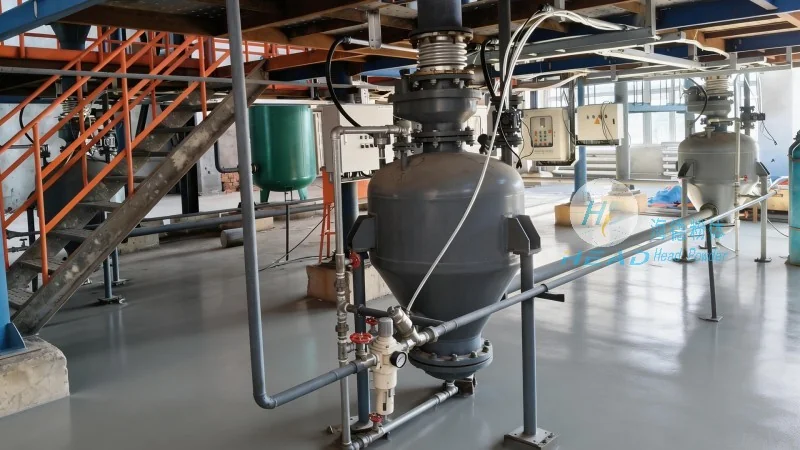
1. Material Compatibility: The design must consider the physical and chemical properties of the bulk material being handled. Factors such as particle size distribution, density, moisture content, and flowability (e.g., angle of repose, cohesion) are critical. For example, cohesive materials like fine powders may require special feeders with higher torque or vibratory action to prevent bridging or arching. The conveying mechanism must also be selected based on the material's resistance to abrasion or corrosion, ensuring long-term durability.
2. Flow Uniformity: Maintaining a consistent flow rate is paramount for downstream processes that rely on precise material input. The design incorporates mechanisms to minimize fluctuations in flow, such as variable speed drives for feeders and conveyor belts, and feedback control systems that adjust parameters based on real-time measurements. Uniform flow ensures stable process performance and reduces the risk of overloading or underloading downstream equipment.
3. Energy Efficiency: Modern design principles emphasize energy efficiency to reduce operational costs. This involves selecting the most appropriate conveying method for the application, optimizing the system's speed and pressure, and minimizing energy losses due to friction or air leakage. For example, pneumatic conveying systems may use low-pressure, high-volume air to transport materials, while mechanical conveyors utilize gravity or motor-driven systems with minimal energy consumption.
4. Safety and Maintenance: Safety is a top priority in the design of bulk material handling systems. Features such as emergency stop buttons, overload protection, and material containment measures are integrated to prevent accidents and ensure operator safety. Additionally, the design considers ease of maintenance, with accessible components and simple cleaning procedures to minimize downtime and maintenance costs.
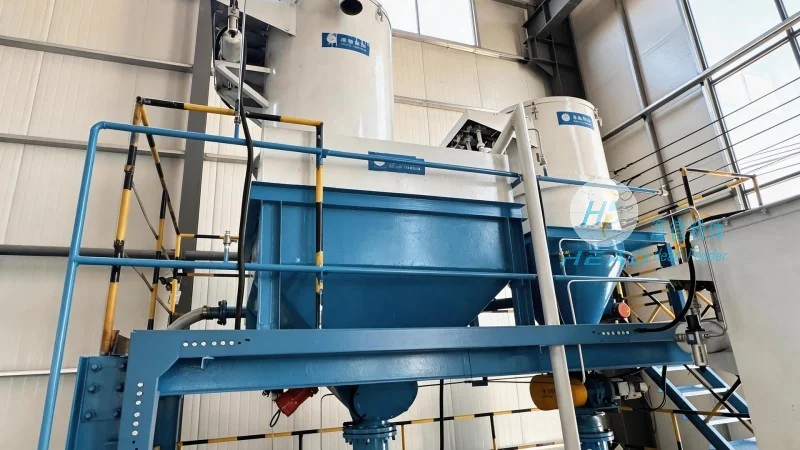
Applications of Continuous Bulk Material Feeding and Conveying Equipment
Continuous bulk material feeding and conveying equipment is widely used across various industries, including pharmaceuticals, food processing, chemical manufacturing, and mining. Its versatility makes it suitable for handling a wide range of materials, from fine powders to coarse granules. Some common applications include:
- Pharmaceutical Industry: In pharmaceutical manufacturing, continuous feeding systems are used to transport raw materials like active pharmaceutical ingredients (APIs), excipients, and powders to mixing and blending equipment. The precision and consistency of these systems are critical to ensure product quality and compliance with regulatory standards.
- Food Processing: The food industry relies on continuous feeding and conveying systems to handle ingredients like flour, sugar, and spices in production lines. These systems must meet stringent hygiene and safety standards, with components designed for easy cleaning and sterilization.
- Chemical Manufacturing: Chemical plants use such equipment to transport bulk chemicals, catalysts, and reagents between processing units. The design must account for the chemical properties of the materials, including corrosion resistance and temperature control.
- Mining and Minerals: In mining operations, continuous conveying systems are used to transport ore and other minerals from mining sites to processing facilities. These systems are often large-scale and designed to handle high volumes of material with minimal downtime.
Advantages of Continuous Bulk Material Feeding and Conveying Systems
Compared to traditional batch or intermittent systems, continuous bulk material feeding and conveying equipment offers several advantages that make it a preferred choice in many industrial applications:
- Increased Productivity: Continuous operation allows for higher throughput and reduced cycle times, leading to increased production output.
- Improved Process Control: Real-time monitoring and control systems enable precise adjustment of flow rates, ensuring consistent product quality and reducing waste.
- Reduced Labor Costs: Automated systems minimize the need for manual labor, lowering operational costs and improving safety.
- Enhanced Material Handling: The ability to handle a wide range of materials with minimal modification makes these systems versatile and adaptable to changing production needs.
- Lower Maintenance: Well-designed systems with durable components and easy access for maintenance reduce long-term operational costs and downtime.
Conclusion
Continuous bulk material feeding and conveying equipment is a critical component in modern industrial operations, enabling efficient and reliable handling of bulk materials. By understanding the key components, design principles, and applications of these systems, industries can optimize their processes, improve productivity, and ensure consistent product quality. As technology advances, continuous feeding and conveying systems will continue to evolve, incorporating more advanced control systems and materials to meet the growing demands of industrial applications.




