Tea powder conveying lines are specialized systems engineered to handle the transportation and processing of tea powder efficiently. These systems are crucial in the tea processing industry, ensuring that tea powder is moved from one stage of production to another with minimal loss, contamination, or degradation. The design of such lines is tailored to meet the unique characteristics of tea powder, which can vary in particle size, moisture content, and flowability. By integrating advanced technologies and materials, these conveying lines enhance productivity and maintain the quality of the final tea products.
Key Design Principles for Tea Powder Conveying Systems
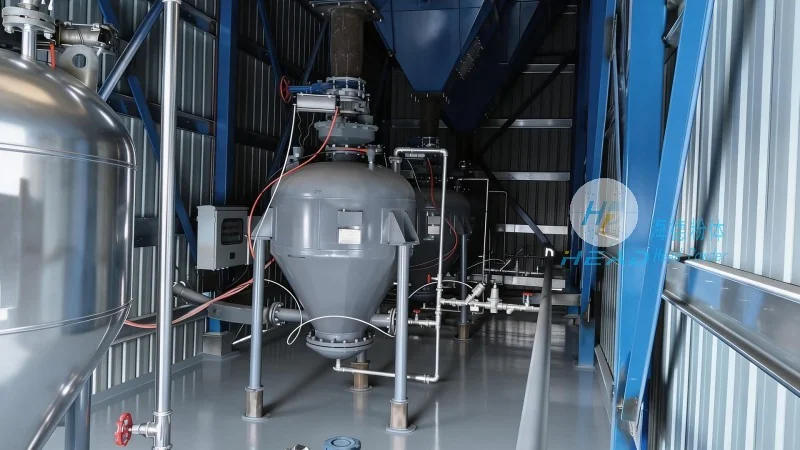
The design of a tea powder conveying line is guided by several fundamental principles that address the specific challenges of handling fine powders. First, the system must ensure airtight and dust-free operation to prevent cross-contamination and maintain product purity. This is achieved through the use of sealed components, such as rotary valves, airlocks, and enclosed conveyor belts. Second, the design prioritizes energy efficiency and low maintenance, as continuous operation in industrial settings demands reliable and cost-effective solutions. Third, the conveying line is built to accommodate varying particle sizes and flow rates, allowing for flexibility in processing different types of tea powders, from green tea to black tea and herbal blends.
Components and Technologies in Tea Powder Conveying Lines
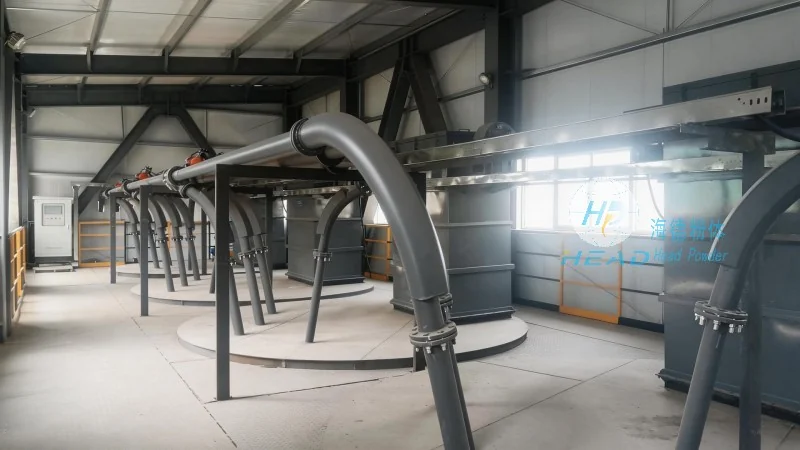
A typical tea powder conveying line consists of several key components that work in concert to achieve efficient powder handling. The primary components include feeders, conveyors, and control systems. Feeders, such as rotary feeders or vibratory feeders, are used to regulate the flow of tea powder into the conveying system, ensuring a consistent and controlled input. Conveyors, often in the form of pneumatic or mechanical systems, transport the powder through the line. Pneumatic conveying systems use air to move the powder, while mechanical conveyors rely on belts or screws. The choice of conveyor type depends on factors like the powder's characteristics, the required conveying distance, and the desired speed. Additionally, the system incorporates control panels and sensors to monitor and adjust the operation in real-time, ensuring optimal performance and safety.
Applications and Benefits of Tea Powder Conveying Lines
Tea powder conveying lines are widely used in various stages of tea processing, from the initial drying and grinding of tea leaves to the packaging of final products. In the drying stage, the line helps transport dried tea leaves to grinding machines, where they are converted into fine powder. During the grinding process, the conveying line moves the freshly ground tea powder to storage silos or packaging units. The benefits of these systems extend beyond efficiency; they also contribute to product quality by minimizing exposure to air and moisture, which can cause oxidation and spoilage. Furthermore, the enclosed design of the conveying line reduces dust emissions, improving workplace safety and environmental compliance. By streamlining the transportation process, these systems reduce labor costs and increase overall production throughput, making them a valuable investment for tea processing facilities.
About Shandong HeadPowder Engineering Co., Ltd.
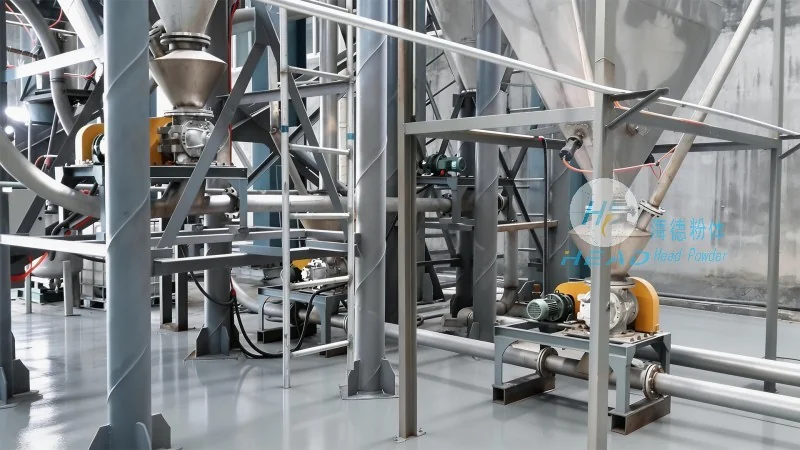
Shandong HeadPowder Engineering Co., Ltd., commonly known as headpowder, is a leading manufacturer specializing in the design and production of powder handling equipment. With a focus on innovation and quality, the company has established itself as a trusted partner in the tea and other food processing industries. HeadPowder's tea powder conveying lines are engineered to meet the highest standards of performance and reliability, ensuring that clients receive systems that are tailored to their specific needs. The company's commitment to customer satisfaction and technical excellence has earned it a reputation for delivering solutions that enhance productivity and maintain product integrity. HeadPowder's facilities are located in Shandong, China, where the company leverages local expertise and resources to develop cutting-edge powder handling technologies.




