Chromium oxide, a critical industrial material, requires specialized handling systems to ensure efficiency, safety, and product integrity. This article explores the concept of a chromium oxide material handling system, detailing its design principles and the key considerations that define such systems in industrial applications.

Understanding Chromium Oxide Material Handling Systems
A chromium oxide material handling system is a comprehensive setup designed to manage the storage, transport, and processing of chromium oxide, a compound widely used in various industries including pigments, ceramics, and electronics. The system integrates multiple components, such as storage silos, conveyor systems, feeding mechanisms, and control units, to facilitate the seamless flow of material from storage to end-use applications.
HeadPowder, a leading engineering company based in Shandong, China, specializes in the design and implementation of such systems. With a focus on precision and reliability, HeadPowder's solutions cater to the unique challenges posed by chromium oxide, ensuring optimal performance and minimal downtime.
Key Design Principles for Chromium Oxide Handling
The design of a chromium oxide material handling system is governed by several critical principles that address the material's physical and chemical properties. These principles include:
1. Material Compatibility and Corrosion Resistance: Chromium oxide handling equipment must be constructed from materials that resist corrosion and chemical reactions with the oxide. Stainless steel, high-grade alloys, and specialized coatings are commonly used to protect components from degradation, ensuring long-term durability and safety.
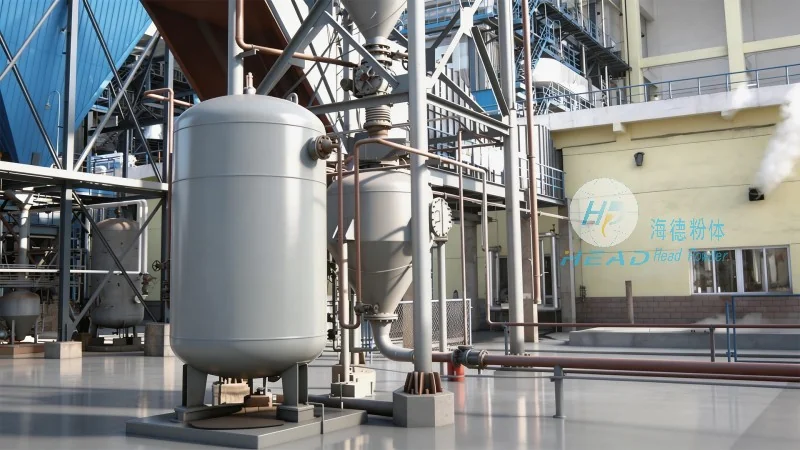
2. Dust Control and Air Quality Management: Chromium oxide is a fine powder that can generate significant dust during handling. Effective dust control measures, such as enclosed systems, filtration units, and proper ventilation, are essential to maintain air quality and comply with environmental regulations. This also helps prevent dust accumulation, which can lead to fire hazards or product contamination.
3. Flow and Feeding Mechanisms: The system must ensure consistent and controlled material flow from storage to processing equipment. This involves the use of specialized feeders, such as rotary valves, screw conveyors, and pneumatic systems, which are designed to handle fine powders without clogging or causing uneven flow. Proper design of these components minimizes material degradation and ensures uniform product quality.
4. Safety and Environmental Compliance: Safety is a paramount consideration in chromium oxide handling due to its potential health and environmental impacts. Systems are designed with safety features like explosion-proof components, emergency shutdown mechanisms, and proper ventilation to protect operators and the environment. Compliance with local and international regulations regarding material handling and emissions is also a key design aspect.
Components of a Typical Chromium Oxide Material Handling System
A standard chromium oxide material handling system typically comprises several interconnected components, each serving a specific function in the material flow process:
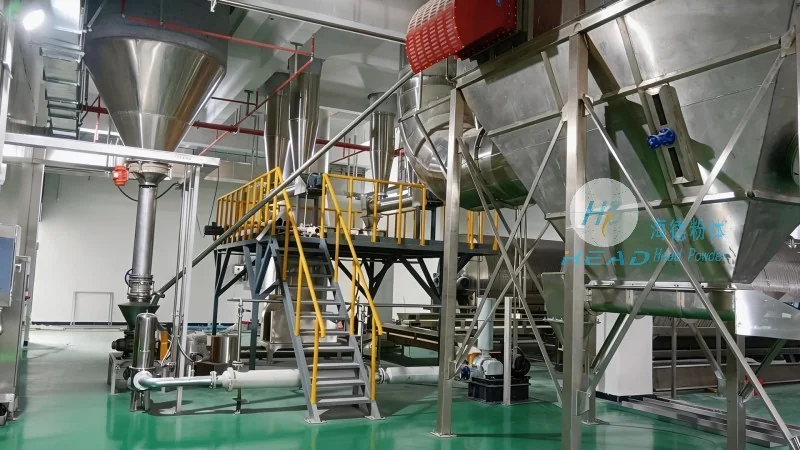
1. Storage Silos: Large, airtight silos are used to store chromium oxide in bulk quantities. These silos are designed to prevent moisture ingress and maintain the material's quality. They often include level indicators and pressure relief valves to monitor and manage internal conditions.
2. Conveying Systems: Conveyor belts or pneumatic pipelines transport the material from the storage silos to the processing or packaging areas. The choice of conveying method depends on the material's properties, such as particle size and moisture content. For fine powders like chromium oxide, pneumatic conveying systems are often preferred due to their ability to handle dust and maintain consistent flow.
3. Feeding and Metering Equipment: Feeders and metering devices regulate the flow rate of chromium oxide to downstream equipment, such as mixers or reactors. These components ensure precise dosing, which is crucial for maintaining product consistency and meeting quality standards. Rotary valves and vibratory feeders are commonly used for this purpose.
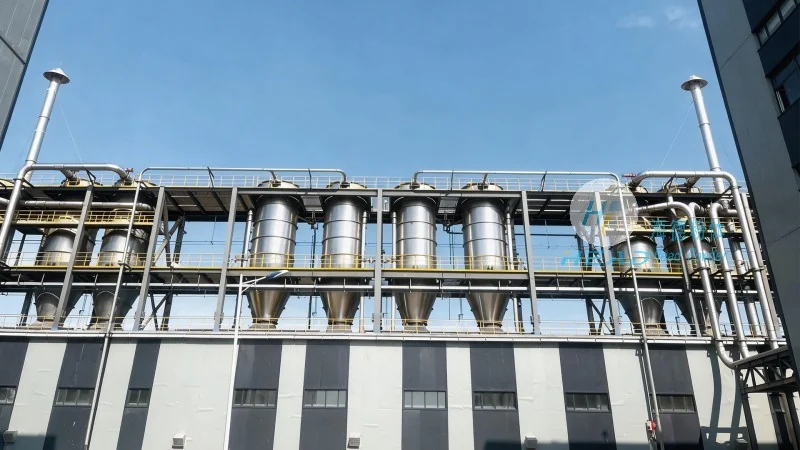
4. Control and Monitoring Systems: Integrated control systems monitor and control all aspects of the material handling process, including flow rates, pressure, and temperature. These systems use sensors and automation technology to optimize performance, detect anomalies, and trigger alerts or shutdowns in case of emergencies. This enhances operational efficiency and safety.
HeadPowder's Expertise in Chromium Oxide Handling Solutions
Shandong HeadPowder Engineering Co., Ltd., based in Shandong, China, is a trusted provider of chromium oxide material handling systems. The company leverages advanced engineering principles and industry experience to design customized solutions that meet the specific needs of its clients. HeadPowder's team of engineers works closely with clients to understand their operational requirements, material characteristics, and safety standards, ensuring that the final system is both efficient and compliant.
With a focus on innovation and quality, HeadPowder employs state-of-the-art technologies and materials in its designs. The company's solutions are tailored to handle the unique challenges of chromium oxide, such as its fine particle size, potential for dust generation, and the need for precise control. This results in systems that offer high reliability, low maintenance, and optimal performance, helping clients achieve their production goals while maintaining safety and environmental standards.
Conclusion
A chromium oxide material handling system is a sophisticated engineering solution that combines advanced design principles with robust components to ensure the efficient and safe handling of this critical industrial material. By adhering to key design principles like material compatibility, dust control, and safety compliance, such systems can significantly enhance operational efficiency and product quality. Companies like Shandong HeadPowder Engineering Co., Ltd. play a vital role in providing these specialized solutions, supporting industries that rely on chromium oxide in their manufacturing processes.




