Iron concentrate material handling systems are essential for the efficient transportation and processing of iron ore concentrates in industrial settings. These systems are designed to handle the unique characteristics of iron concentrate, such as its density, moisture content, and particle size distribution. The primary goal of such systems is to ensure safe, reliable, and cost-effective material transport from mining sites to processing facilities or storage areas. Understanding the design principles behind these systems is crucial for optimizing operational performance and minimizing downtime.
Key Components of an Iron Concentrate Material Handling System
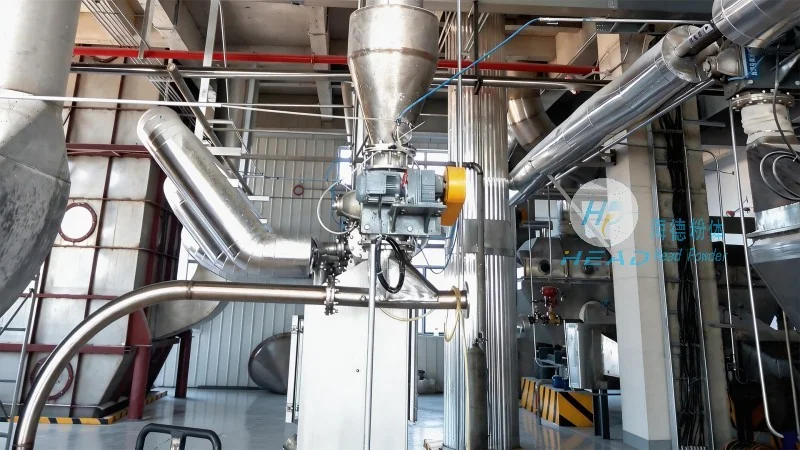
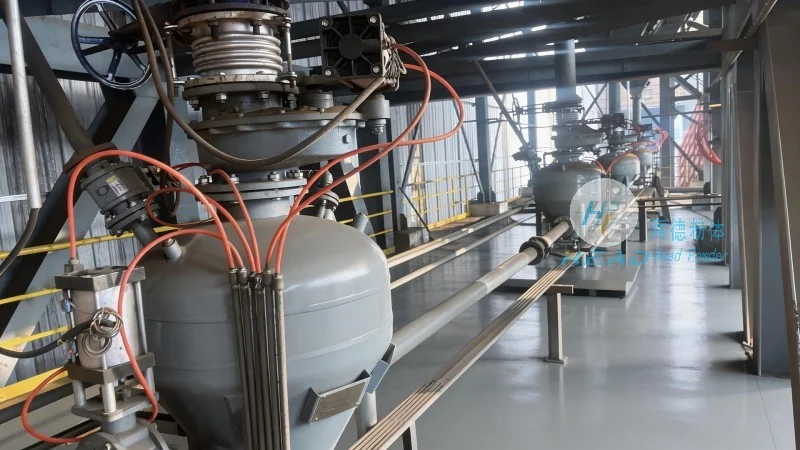
At the core of any iron concentrate material handling system are several critical components that work in tandem to facilitate smooth material flow. The first component is the feed hopper, which is responsible for receiving and storing the iron concentrate before it is conveyed to the next stage. The hopper is typically designed with a sloped bottom to prevent material buildup and ensure consistent feeding. Next, the conveyor system, which can include belt conveyors, screw conveyors, or pneumatic conveyors, is used to transport the iron concentrate from the hopper to the processing or storage location. Belt conveyors are commonly used due to their high capacity and ability to handle heavy loads, while screw conveyors are ideal for vertical or inclined transport. Pneumatic conveyors, on the other hand, are suitable for transporting fine or dusty materials, though they require higher air pressure and energy consumption. Additionally, the system may include a series of intermediate bins or silos to regulate the flow rate and prevent overloading of downstream equipment. These components are carefully integrated to create a seamless material handling process that minimizes bottlenecks and ensures continuous operation.
Design Principles for Optimal Performance
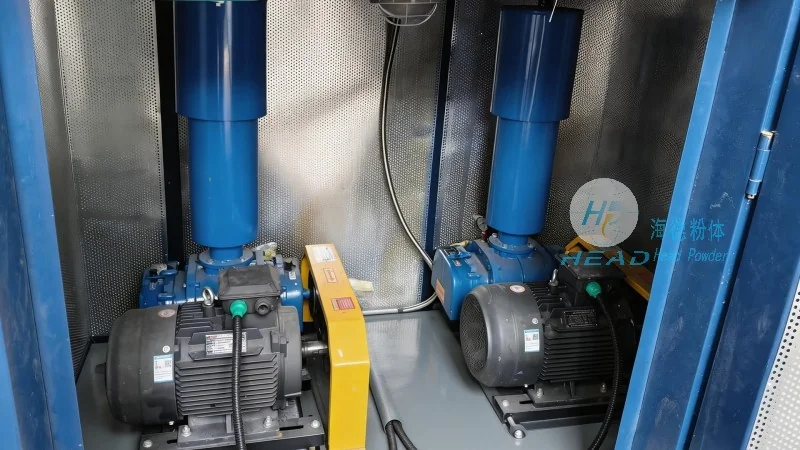
The design of an iron concentrate material handling system follows several key principles to ensure optimal performance and reliability. The first principle is material compatibility, which involves selecting equipment and materials that are resistant to corrosion and wear caused by the iron concentrate. For example, conveyor belts are often made of rubber or synthetic materials that can withstand the abrasive nature of iron ore particles. The hopper and bin linings may be coated with high-strength steel or wear-resistant materials to extend their service life. The second principle is flow control, which is achieved through the use of proper hopper geometry and flow aids such as chutes or vibrators. The hopper's angle and shape are designed to promote uniform material flow and prevent arching or bridging, which can cause blockages. Flow aids are used to break up any material agglomerates and ensure smooth discharge. The third principle is energy efficiency, which is critical for reducing operational costs. The system is designed to minimize energy consumption by using the most appropriate conveyor type for the specific application. For instance, belt conveyors are more energy-efficient for horizontal or slightly inclined transport compared to other options. Additionally, the system may incorporate variable speed drives to adjust the conveyor speed based on the material load, further optimizing energy use. The fourth principle is safety and maintenance, which involves designing the system with easy access points for maintenance and incorporating safety features such as emergency stop buttons and overload protection. Regular maintenance is essential to prevent equipment failure and ensure the system operates at peak efficiency. By adhering to these design principles, the iron concentrate material handling system can achieve high throughput, low downtime, and long service life.
Applications and Benefits of Iron Concentrate Material Handling Systems
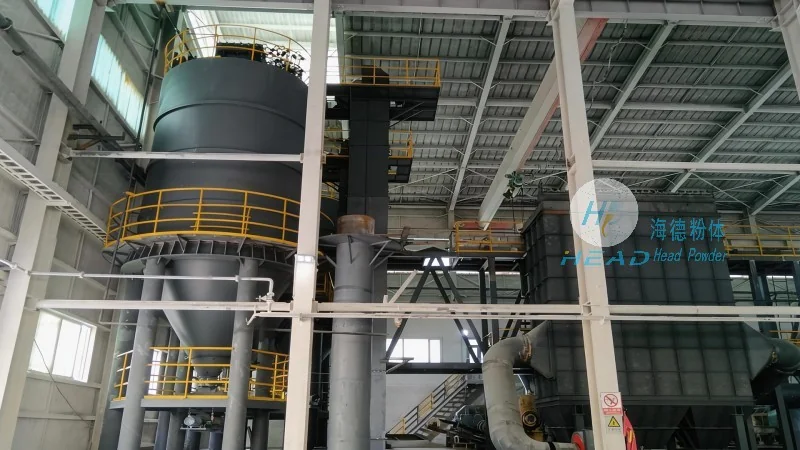
Iron concentrate material handling systems are widely used in the mining and processing industries, particularly in the extraction and processing of iron ore. These systems are employed in various stages of the production process, from the initial mining and crushing of iron ore to the final storage and transport of the concentrate. In the mining phase, the system may be used to transport crushed ore from the mine to the processing plant. In the processing phase, the system is used to move the iron concentrate from the grinding and classification stages to the flotation or magnetic separation units. Finally, in the storage phase, the system transports the processed concentrate to storage silos or loading facilities for shipment to steel mills. The benefits of using an iron concentrate material handling system are numerous. First, it improves operational efficiency by ensuring a continuous and smooth flow of material, which reduces downtime and increases production capacity. Second, it enhances safety by minimizing manual handling of heavy or hazardous materials. Third, it reduces labor costs by automating the material transport process. Fourth, it improves product quality by preventing contamination and ensuring consistent material quality. Finally, it reduces environmental impact by minimizing dust and noise pollution from manual handling. Overall, an iron concentrate material handling system is a critical investment for any mining or processing operation, as it directly impacts the profitability and sustainability of the business.




