Gypsum, a widely used industrial material, plays a crucial role in various sectors such as construction, pharmaceuticals, and agriculture. The efficient handling and transportation of gypsum are essential for maintaining production efficiency and ensuring product quality. This article explores the concept of gypsum material handling equipment and delves into the fundamental design principles that underpin these systems.
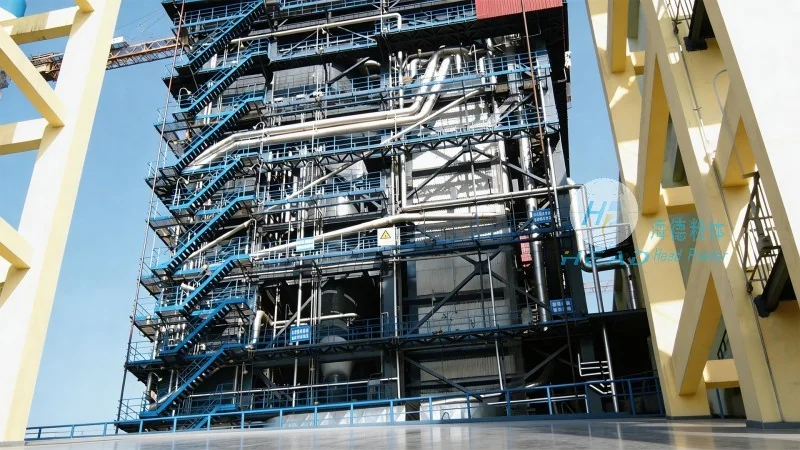
Gypsum Material Handling Equipment: An Overview
Gypsum material handling equipment refers to a range of machinery and systems designed to transport, store, and process gypsum in industrial settings. These systems are tailored to handle the unique physical properties of gypsum, including its density, moisture content, and flow characteristics. The primary goal of such equipment is to ensure safe, efficient, and cost-effective material movement throughout the production process.
The Importance of Proper Material Handling for Gypsum
Effective gypsum handling is critical for several reasons. First, it minimizes material loss and contamination, which can significantly impact product quality and market value. Second, well-designed handling systems reduce labor costs and improve operational safety by automating repetitive tasks and minimizing human exposure to dust and other hazards. Third, efficient material flow enhances overall production throughput, allowing manufacturers to meet demand without bottlenecks.
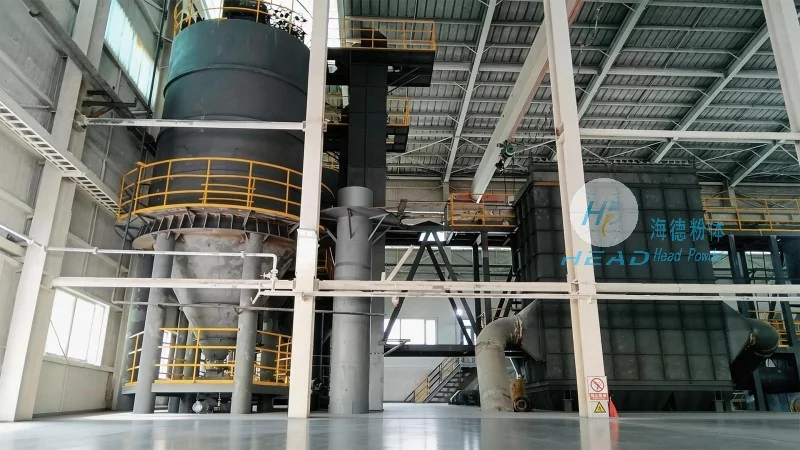
Key Components of Gypsum Material Handling Systems
Typical gypsum material handling systems consist of several key components, each serving a specific function in the material flow. These components may include feeders, conveyors, storage silos, and processing units. The choice of equipment depends on the specific application, such as bulk handling for construction materials or fine powder processing for pharmaceuticals. For instance, belt conveyors are commonly used for transporting larger gypsum lumps, while pneumatic conveyors are ideal for handling fine powders due to their ability to move material through pipelines.
Design Principles for Gypsum Material Handling Equipment
The design of gypsum material handling equipment follows several core principles to ensure optimal performance and longevity. One of the most important principles is the consideration of material properties. Engineers must account for gypsum's tendency to cake or agglomerate, which can affect flow and cause blockages. To mitigate this, equipment is often designed with features like agitators or vibrators to maintain material flowability. Another critical principle is the prevention of dust generation. Gypsum is a fine powder that can create health hazards and environmental issues if not properly contained. Therefore, equipment is typically equipped with dust collection systems and sealed enclosures to minimize dust emissions.
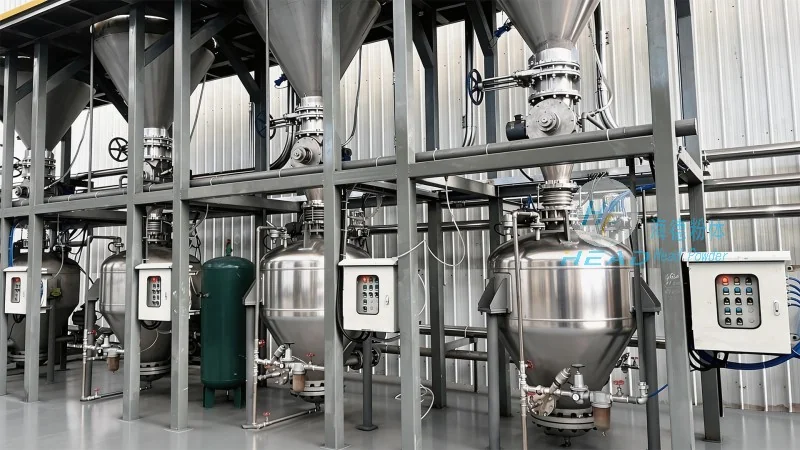
HeadPowder Engineering's Approach to Gypsum Handling Solutions
Shandong HeadPowder Engineering Co., Ltd., a leading manufacturer in the field, specializes in providing customized gypsum material handling solutions. The company's approach is centered on understanding the unique needs of each client and designing systems that align with their operational requirements. HeadPowder engineers work closely with clients to assess their production processes, material characteristics, and safety standards, ensuring that the final equipment meets all specifications. The company's product line includes a variety of equipment, such as high-capacity belt conveyors, flexible screw conveyors, and pneumatic conveying systems, all engineered to handle gypsum efficiently and safely.
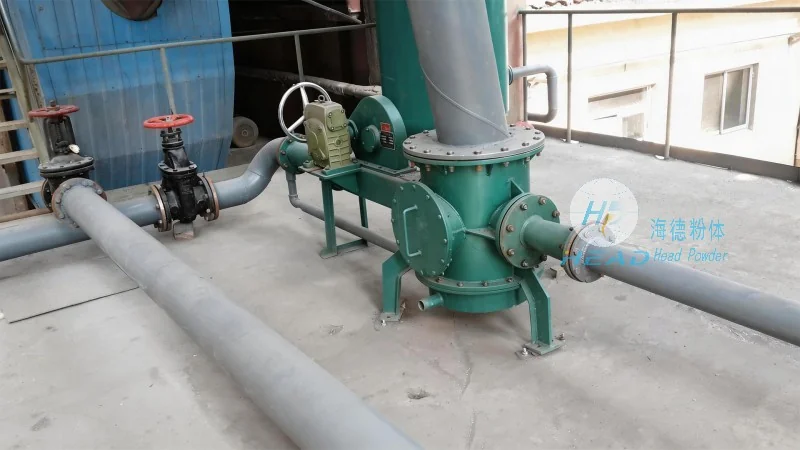
Addressing Common Challenges in Gypsum Handling
Despite the advancements in material handling technology, several challenges remain in the gypsum industry. One common issue is the variability in gypsum quality, which can affect equipment performance. For example, high moisture content can lead to material caking, while low moisture content may cause dust problems. HeadPowder addresses these challenges by offering adjustable equipment designs that can accommodate different material conditions. Another challenge is the need for maintenance and upkeep. Gypsum can be abrasive, leading to wear on conveyor belts and other components. The company's equipment is built with durable materials and features that reduce wear and extend the lifespan of the machinery.
Conclusion: The Role of Advanced Equipment in Gypsum Processing
In conclusion, gypsum material handling equipment is a vital component of modern industrial operations. The design principles that govern these systems are critical to ensuring efficiency, safety, and product quality. Companies like Shandong HeadPowder Engineering Co., Ltd. play a crucial role in developing and implementing these solutions, helping manufacturers optimize their processes and meet the demands of a competitive market. By focusing on material properties, safety, and customization, advanced gypsum handling equipment continues to improve the overall performance of industrial operations.




