When it comes to handling potassium carbonate, specialized equipment is essential for ensuring efficient and safe material transport. This article explores the nature of potassium carbonate material handling equipment and the underlying design principles that make such systems effective. By understanding these aspects, users can better select and utilize equipment tailored to their specific operational needs.
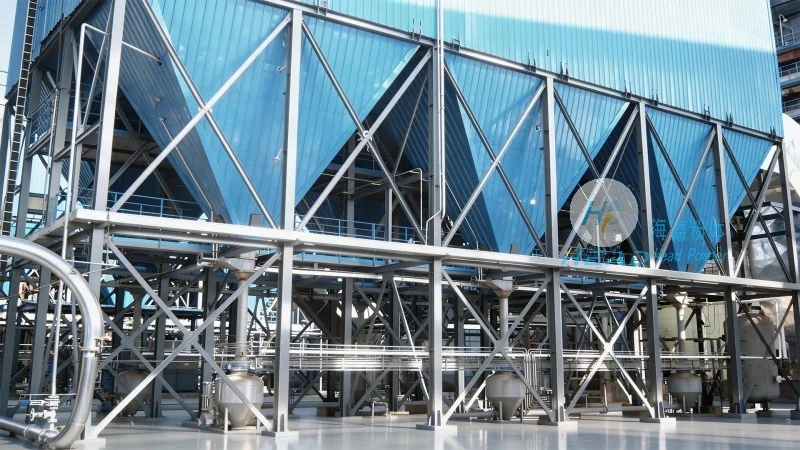
Potassium Carbonate Material Handling Equipment: An Overview
Potassium carbonate, a white crystalline powder, is widely used in various industries, including chemical manufacturing, food processing, and pharmaceuticals. Due to its chemical properties and handling requirements, specialized equipment is required to transport this material safely and efficiently. The equipment typically includes components such as hoppers, conveyors, and storage tanks, all designed to manage the material's flow and prevent issues like caking or dust generation.
Key Components of Potassium Carbonate Material Handling Systems
Effective potassium carbonate material handling systems rely on several critical components. Hoppers are often used to store and feed the material, with designs that minimize material buildup and ensure smooth discharge. Conveyors, such as belt or screw conveyors, are commonly employed to transport the material from one location to another. These conveyors are typically equipped with features like adjustable speed controls and material flow monitoring to optimize performance. Additionally, storage tanks or silos may be integrated into the system to provide bulk storage capabilities, ensuring a steady supply of potassium carbonate for production processes.
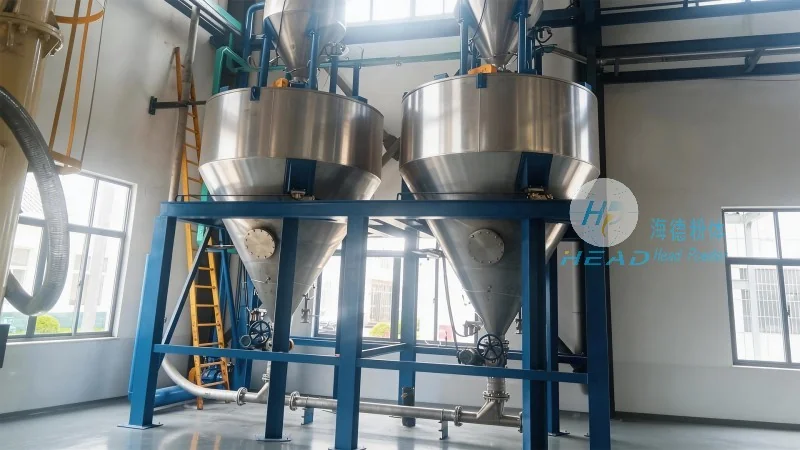
Design Principles for Efficient Material Handling
The design of potassium carbonate material handling equipment follows several key principles aimed at maximizing efficiency, safety, and durability. One of the primary principles is the minimization of material degradation during transport. This involves using equipment that prevents attrition and caking, which can occur if the material is exposed to excessive friction or moisture. Another critical principle is the prevention of dust generation, as potassium carbonate is a fine powder that can create health and safety hazards if not properly contained. Equipment such as dust collection systems and sealed conveyors are often incorporated to address this concern.
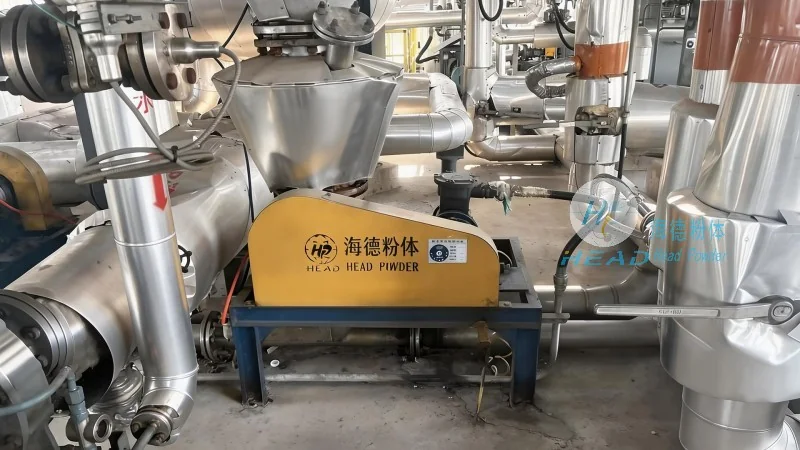
Material Flow Optimization in Potassium Carbonate Handling
Optimizing material flow is a crucial aspect of potassium carbonate handling. Proper design ensures that the material moves smoothly from storage to processing without bottlenecks or blockages. This involves careful consideration of the material's bulk density, flow characteristics, and the equipment's capacity. For example, the angle of repose and cohesive properties of potassium carbonate must be considered when designing hoppers and silos to prevent material bridging or rat-holing. Additionally, the use of vibration or agitation systems may be employed to improve flow in cases where the material tends to agglomerate.
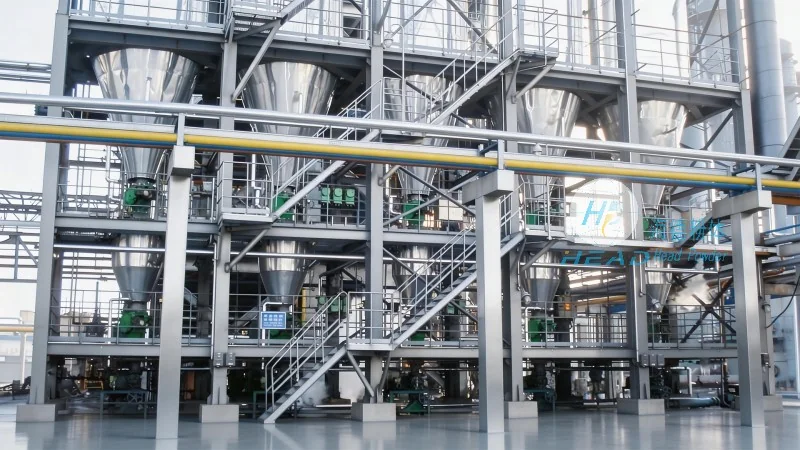
Ensuring Safety and Compliance in Material Handling
Safety is a top priority when handling potassium carbonate, given its potential health effects and the need to comply with industrial regulations. Equipment is designed with features that minimize exposure to the material, such as enclosed systems and proper ventilation. Additionally, the equipment must meet standards for material compatibility, ensuring that it does not react with potassium carbonate or cause contamination. Regular maintenance and inspection are also essential to ensure the equipment operates safely and efficiently over time.
Conclusion
Potassium carbonate material handling equipment is a critical component of many industrial processes, and understanding its design principles is essential for optimal performance. By focusing on key components, material flow optimization, and safety compliance, users can select and operate equipment that effectively handles potassium carbonate while minimizing risks and maximizing efficiency. The expertise of companies like Shandong HeadPowder Engineering Co., Ltd., based in China, plays a vital role in providing tailored solutions for these material handling needs.




