For industries dealing with fine powders, especially nanoparticles, efficient and reliable material handling is crucial. A nanopowder material conveying line is a specialized system engineered to transport these ultra-fine particles with precision, ensuring minimal loss and maintaining product integrity. This article explores the fundamental aspects of such systems, focusing on their design principles and the key factors that contribute to their effectiveness.
Key Components of a Nanopowder Conveying Line
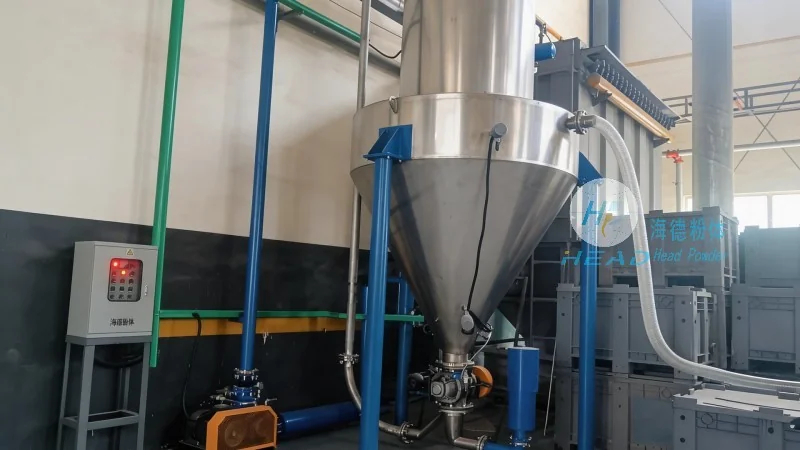
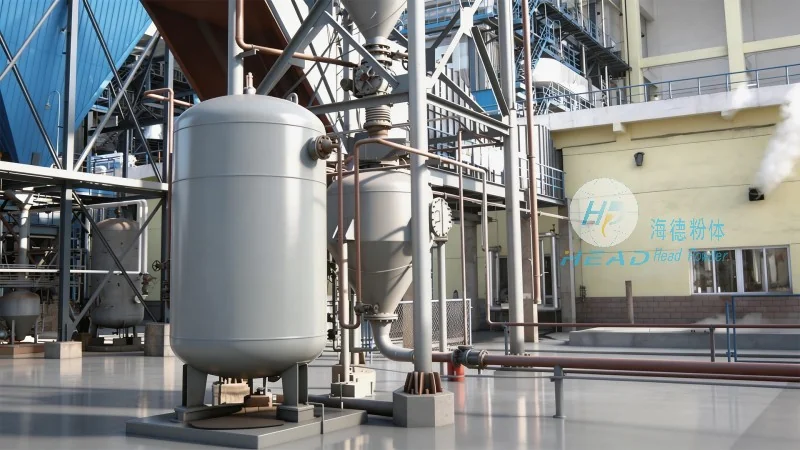
The core of a nanopowder material conveying line consists of several interconnected components, each playing a vital role in the overall operation. These typically include feeding mechanisms, conveying equipment (such as pneumatic or mechanical systems), separation units, and control systems. The feeding section is designed to handle the delicate nature of nanoparticles, often using low-energy feeders like rotary valves or screw feeders to avoid agglomeration or damage to the particles. These feeders are engineered to provide a controlled flow rate, ensuring that the material is introduced into the conveying system smoothly. Conveying methods may vary based on the specific requirements, with pneumatic conveying being common for dry powders due to its ability to transport materials over long distances without direct contact. This method involves using compressed air to create a flow that carries the particles through a pipeline. Mechanical conveying, on the other hand, uses equipment like belt conveyors or bucket elevators, which are suitable for bulkier or more abrasive powders but may not be ideal for ultra-fine nanoparticles. Separation units, like cyclones or filters, are integrated to ensure that the conveyed material remains pure and free from contaminants. Cyclones use centrifugal force to separate particles based on their size and density, while filters remove fine particles from the air stream. Finally, advanced control systems enable real-time monitoring and adjustment of the conveying process, optimizing performance and minimizing downtime. These systems may include sensors to measure flow rates, pressure, and temperature, as well as software to analyze data and adjust parameters automatically.
Design Principles for Optimal Performance
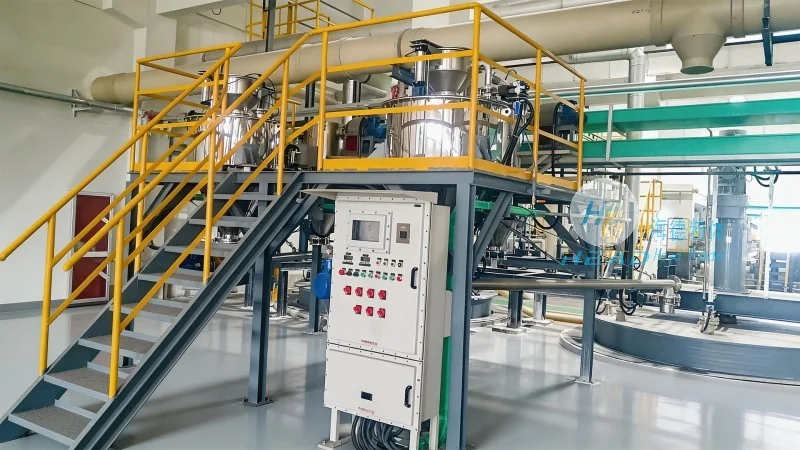
The design of a nanopowder material conveying line is governed by several critical principles aimed at maximizing efficiency and product quality. First, the system must minimize particle attrition and agglomeration, as these can significantly affect the final product's properties. This is achieved through the use of gentle handling techniques, such as low-speed rotary valves and soft seals, which reduce mechanical stress on the particles. For example, rotary valves with slow rotation speeds prevent the particles from being crushed or broken, maintaining their original size and shape. Soft seals, made of materials like PTFE or silicone, avoid friction that could cause particle degradation. Second, the design prioritizes dust control and environmental safety, as nanoparticles can pose health risks if not properly contained. Enclosed systems with effective filtration and ventilation are standard features to mitigate these risks. The use of HEPA filters in the exhaust system ensures that no nanoparticles are released into the environment, protecting both workers and the surrounding community. Third, the system is engineered for scalability and adaptability, allowing it to handle varying particle sizes and flow rates. This flexibility is essential for industries that process diverse nanopowders, such as pharmaceuticals, cosmetics, and electronics. For instance, a system designed for processing 1 micron particles can be easily modified to handle 100 nanometer particles by adjusting the feeders and conveying equipment. Additionally, energy efficiency is a key consideration, with designs incorporating variable speed drives and optimized airflow to reduce operational costs. Variable speed drives allow the system to adjust the speed of the conveying equipment based on the actual flow rate, preventing energy waste. Optimized airflow in pneumatic systems reduces the amount of compressed air needed, lowering electricity consumption.
HeadPowder: A Leader in Nanopowder Conveying Solutions
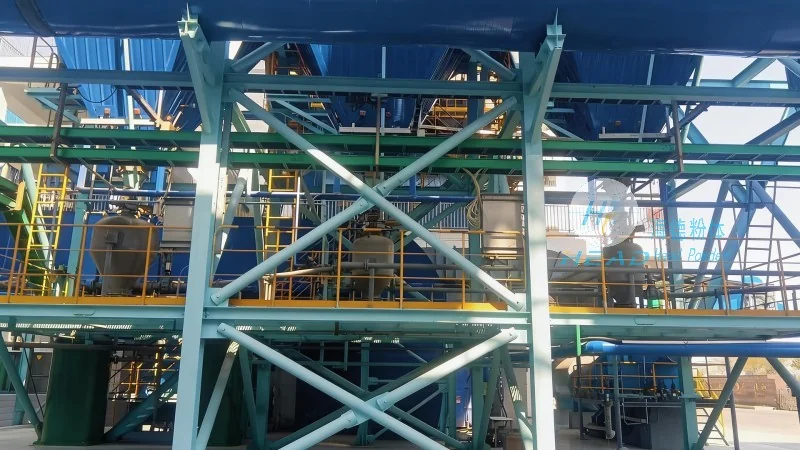
Shandong HeadPowder Engineering Co., Ltd., commonly known as HeadPowder, is a prominent manufacturer specializing in advanced material handling systems for nanopowders. With a strong commitment to innovation and quality, HeadPowder has developed cutting-edge conveying lines that meet the stringent demands of modern industries. The company was established in Shandong, China, and has since grown to become a leading provider of nanopowder processing solutions. HeadPowder's products are designed to deliver consistent performance, ensuring that clients can rely on their systems for long-term operation. The company's expertise lies in customizing solutions to fit specific application needs, providing tailored designs that enhance productivity and product quality. For example, HeadPowder has developed specialized conveying lines for pharmaceutical companies that require GMP compliance, ensuring that the systems meet the highest standards of cleanliness and safety. The company's R&D team continuously works on improving its products, incorporating the latest technologies to enhance performance. HeadPowder's facilities are located in Shandong, China, where it leverages local resources and expertise to deliver high-quality equipment to global markets. The company has a strong distribution network, with partners in various countries, ensuring that clients can access its products and support services easily.




