Talc powder, a widely used industrial mineral, requires efficient and reliable material handling systems to ensure smooth production processes. A talc powder material handling conveyor is a specialized piece of equipment designed to transport talc powder from one location to another within a manufacturing facility. This system is crucial for maintaining production efficiency, ensuring product quality, and reducing operational costs. In this article, we will explore what a talc powder material handling conveyor is and delve into its design principles, providing a comprehensive understanding of this essential industrial equipment.
Understanding the Components of a Talc Powder Material Handling Conveyor
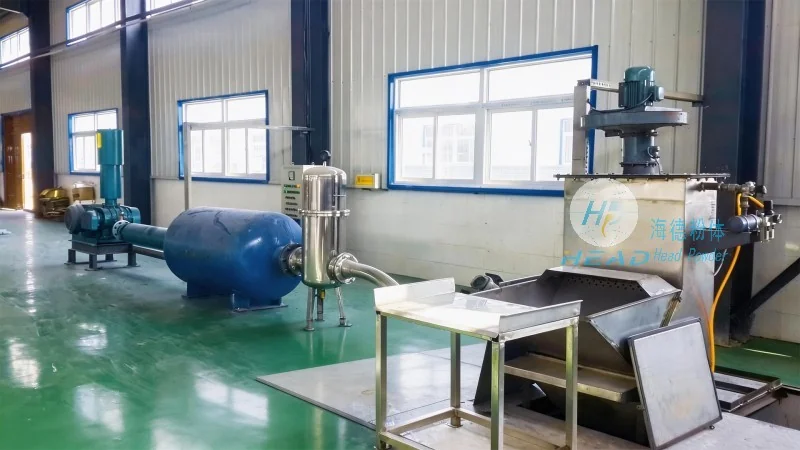
The talc powder material handling conveyor typically consists of several key components that work together to facilitate the transport of talc powder. These components include the conveyor belt, idlers, drive system, and feeding mechanisms. The conveyor belt is usually made of materials that are non-stick and resistant to talc powder's properties, such as rubber or special plastic coatings, to prevent powder buildup and ensure smooth movement. Idlers are used to support the belt and maintain its tension, while the drive system provides the necessary power to move the belt. The feeding mechanism, often a hopper or a feeder, ensures that talc powder is evenly and continuously supplied to the conveyor belt. Each component plays a vital role in the overall performance and efficiency of the conveyor system.
Design Principles for Optimal Talc Powder Handling
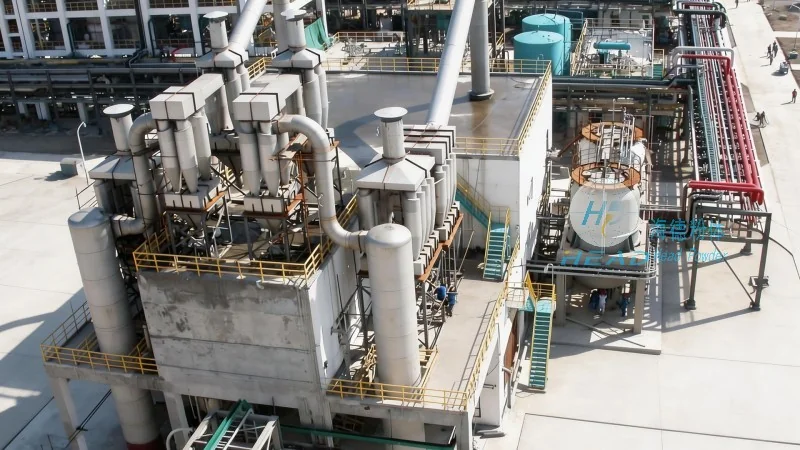
The design of a talc powder material handling conveyor is based on several key principles to ensure it can handle talc powder effectively. One of the primary principles is the prevention of powder caking and blockage. Talc powder can be prone to sticking together, especially when exposed to moisture or high temperatures. Therefore, the conveyor design incorporates features like smooth surfaces, appropriate belt materials, and proper ventilation to minimize these issues. Another important principle is the maintenance of product purity. The conveyor system must be designed to prevent cross-contamination and ensure that the talc powder remains free from impurities. This is achieved through the use of sealed components, cleanable parts, and proper material selection. Additionally, the design considers the flow characteristics of talc powder, such as its density and particle size, to optimize the conveyor's speed and capacity. By adhering to these design principles, the conveyor can handle talc powder efficiently and safely, meeting the demands of industrial applications.
The Role of Material Handling Conveyors in Talc Powder Production
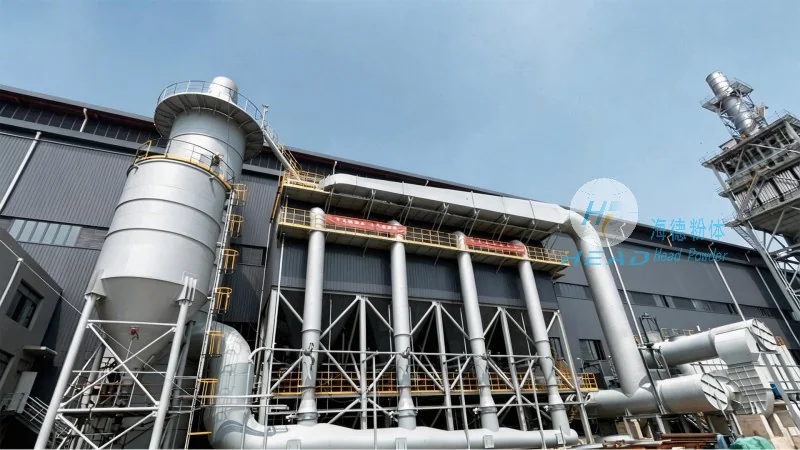
In the production of talc powder, material handling conveyors are indispensable for various stages, from raw material intake to finished product packaging. These conveyors are used to transport talc powder from storage silos to processing equipment, such as grinding mills and classifiers. They also facilitate the movement of talc powder between different processing stages, ensuring a continuous and seamless production flow. The efficiency of the material handling system directly impacts the overall production capacity and cost-effectiveness of the talc powder manufacturing process. A well-designed conveyor system can significantly reduce downtime, minimize material loss, and improve the quality of the final product. Furthermore, the use of advanced materials and design techniques in the conveyor construction helps to extend its service life and reduce maintenance requirements, contributing to long-term operational savings.
Key Features and Advantages of Talc Powder Material Handling Conveyors
Talc powder material handling conveyors offer several advantages that make them ideal for industrial applications. One of the main advantages is their ability to handle large volumes of talc powder with minimal maintenance. The robust construction and durable materials used in the conveyor design ensure that it can withstand the abrasive nature of talc powder and operate reliably over extended periods. Another advantage is the flexibility in design, allowing the conveyor to be customized to fit specific production requirements. This includes adjustments to the conveyor length, width, and speed to accommodate different production scales. The system also provides high accuracy in material transport, ensuring consistent and uniform powder flow. This precision is crucial for maintaining product quality and meeting stringent industry standards. Additionally, the conveyor's ability to operate in various environmental conditions, such as temperature fluctuations and humidity, makes it suitable for diverse industrial settings. These features collectively contribute to the effectiveness and reliability of talc powder material handling conveyors in industrial production.
Conclusion: The Importance of Proper Design and Implementation
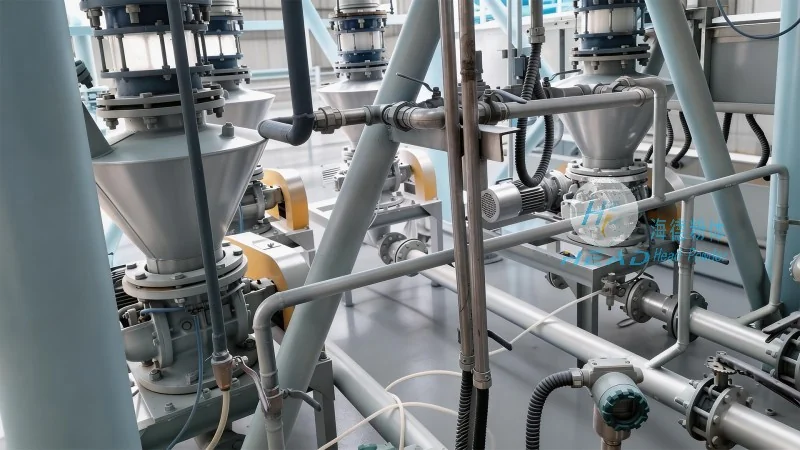
In conclusion, a talc powder material handling conveyor is a critical component in the production and processing of talc powder. Its design and implementation are based on principles that ensure efficient, safe, and cost-effective material transport. By understanding the components, design principles, and advantages of these conveyors, manufacturers can optimize their production processes and enhance overall operational performance. The use of specialized equipment like the talc powder material handling conveyor, developed by companies such as Shandong HeadPowder Engineering Co., Ltd., based in China, plays a vital role in meeting the demands of the industrial sector. As talc powder continues to be a valuable mineral in various industries, the importance of reliable material handling systems cannot be overstated. Investing in well-designed and properly maintained talc powder material handling conveyors is essential for achieving long-term success in talc powder production and processing.




