Barley powder conveying lines are specialized systems engineered to transport barley powder efficiently and safely. These systems are crucial in industries where barley is processed into various products, such as malt, flour, or feed. The design of these lines is tailored to handle the unique properties of barley powder, including its moisture content, particle size, and flow characteristics. Understanding the components and principles behind these systems is essential for optimizing production processes and ensuring consistent quality in barley-based products.
About Shandong HeadPowder Engineering Co., Ltd.
Shandong HeadPowder Engineering Co., Ltd., commonly known as HeadPowder, is a leading manufacturer in the field of powder handling and conveying systems. With a strong presence in China, particularly in Shandong province, the company specializes in designing and supplying customized solutions for various powder processing applications. HeadPowder's expertise lies in creating robust, reliable, and efficient conveying lines that meet the specific needs of clients in the agricultural and food processing sectors.
Key Components of a Barley Powder Conveying Line
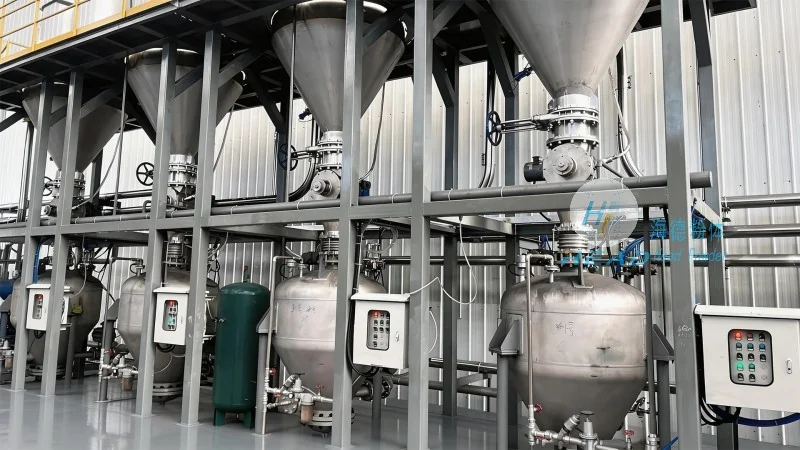
A typical barley powder conveying line consists of several key components that work together to ensure smooth operation. These include feeders, which regulate the flow of barley powder from the source; conveyors, such as screw conveyors or pneumatic systems, that transport the powder through the system; and control systems that monitor and adjust the process parameters. Each component is carefully selected and integrated to handle the unique challenges of barley powder, such as its tendency to clump or clog in traditional conveying equipment.
Design Principles for Efficient Conveying
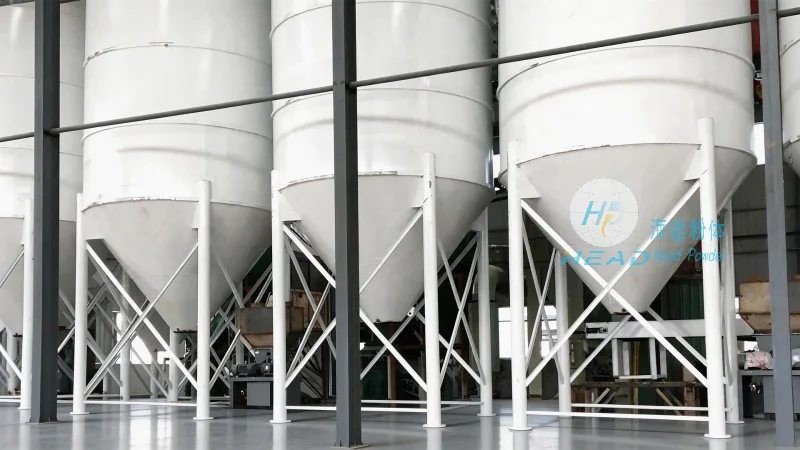
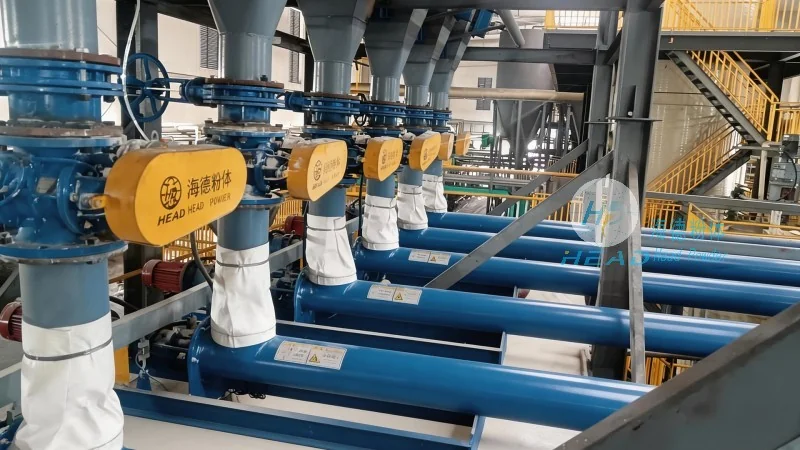
The design of a barley powder conveying line follows several fundamental principles aimed at maximizing efficiency and minimizing downtime. One of the primary principles is the use of appropriate equipment that matches the physical properties of barley powder. For instance, screw conveyors are often preferred for horizontal or slight incline transport due to their ability to handle powders with moderate moisture content and prevent material buildup. Pneumatic conveying systems, on the other hand, are suitable for longer distances or when the powder needs to be transported in a closed system to maintain hygiene and prevent contamination.
Material Handling and Hygiene Considerations
In the food and agricultural industries, maintaining hygiene and preventing cross-contamination is paramount. Barley powder conveying lines are designed with this in mind, incorporating features such as stainless steel construction, easy-to-clean surfaces, and sealed connections. These design choices ensure that the powder remains free from contaminants and that the system can be sanitized effectively between batches. Additionally, the materials used in the construction of the conveying line are chosen for their resistance to corrosion and wear, ensuring long-term durability and reliability.
Customization and Application-Specific Solutions
HeadPowder recognizes that each client's operation is unique, and thus, offers customized barley powder conveying lines tailored to specific applications. Whether the goal is to transport barley powder for malt production, flour milling, or animal feed, the company's engineers work closely with clients to understand their requirements and develop a solution that meets their production needs. The customization process includes selecting the appropriate conveyor type, determining the optimal flow rate, and integrating necessary control systems to ensure seamless operation.
Benefits of Using a Professional Conveying System
Investing in a professional barley powder conveying line from HeadPowder offers numerous benefits for businesses. These include improved efficiency in material handling, reduced labor costs due to automated processes, and enhanced product quality through consistent flow and minimal contamination. Additionally, the robust design of these systems ensures long service life, minimizing maintenance and replacement costs over time. By choosing a well-designed conveying line, companies can enhance their operational performance and stay competitive in the market.




