For those in the food processing industry, particularly those handling peanut powder, understanding the mechanics and design of a peanut powder conveying line is crucial. These systems are engineered to efficiently transport peanut powder, a fine particulate material, through a processing facility. They are integral to the workflow in peanut processing plants, where the powder may need to be transferred from storage silos to processing equipment, or from production lines to packaging stations. The primary goal of such a line is to achieve seamless, continuous movement of the powder with minimal loss, contamination, or degradation. Given the nature of peanut powder—often prone to clumping, moisture absorption, and dust generation—the design of these systems must address these challenges to ensure reliable operation.
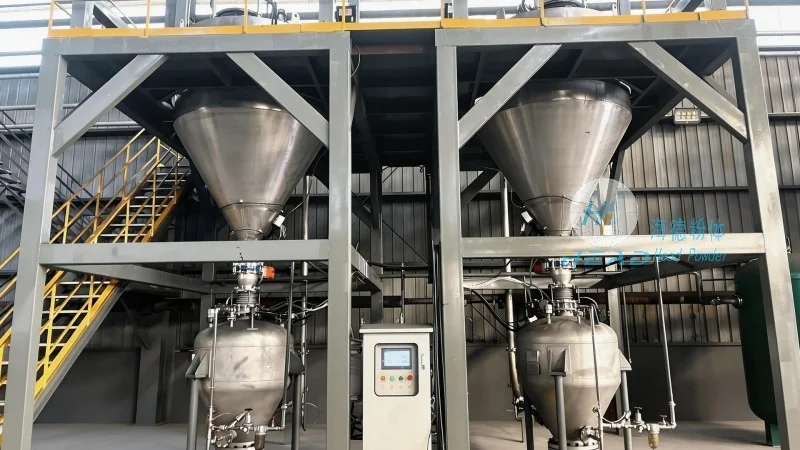
Introduction to Peanut Powder Conveying Lines: An Overview
A peanut powder conveying line is a specialized system designed to move peanut powder through a processing facility. These systems are critical for maintaining product integrity, safety, and operational efficiency in food processing. The line’s purpose is to transfer the powder from one location to another while preserving its quality and preventing issues such as clogging or contamination. The design of these systems must account for the unique properties of peanut powder, including its fine particle size, density, and tendency to absorb moisture or generate dust. By addressing these factors, the conveying line ensures that the powder moves smoothly and reliably throughout the processing workflow.
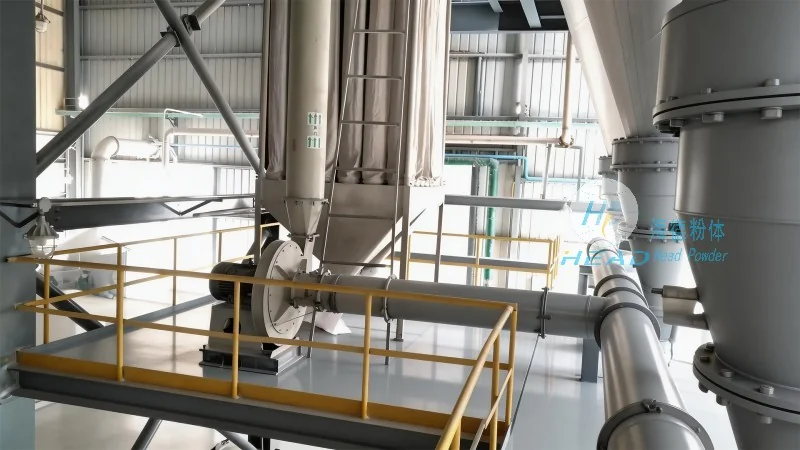
Design Principles Behind Peanut Powder Conveying Systems
The design of a peanut powder conveying line is guided by several core principles aimed at optimizing performance and maintaining product quality. First, the system must prioritize containment and cleanliness to prevent cross-contamination and meet food safety standards. This is typically achieved through the use of sealed, airtight components and positive pressure systems that keep the powder within the system and prevent external air or contaminants from entering. Second, the design considers the physical properties of peanut powder, such as its particle size, density, and flow characteristics. These factors influence the choice of conveying method—whether it’s pneumatic (air-assisted) or mechanical (e.g., screw or belt conveyors)—and the system’s overall layout. Third, energy efficiency and operational cost are critical considerations. Engineers aim to minimize energy consumption by optimizing air flow, reducing pressure losses, and selecting components that require low maintenance. Finally, the design must accommodate scalability and adaptability, allowing the system to be expanded or modified as production needs change.
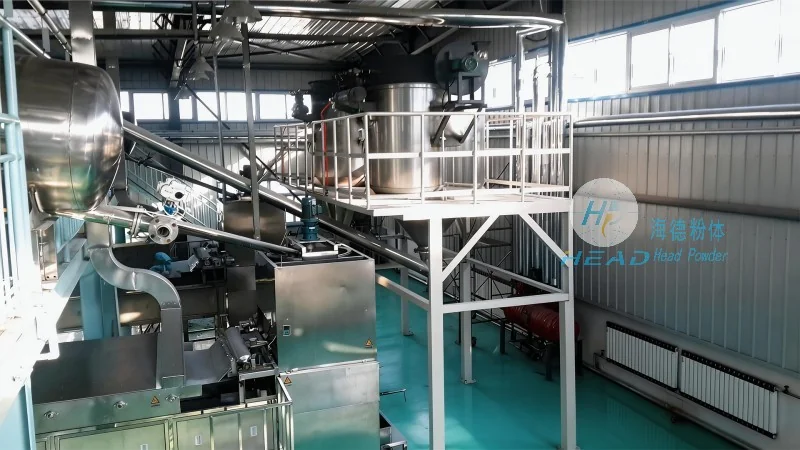
Key Components and Their Functions in a Peanut Powder Conveying Line
At the heart of a peanut powder conveying line are several key components that work in concert to achieve efficient material handling. The primary components include the feed hopper, which stores and regulates the flow of peanut powder into the system; the conveying mechanism (either pneumatic or mechanical), which propels the powder through the system; the air source or drive system, which provides the necessary force for movement; the control panel, which monitors and adjusts system parameters; and the receiving hopper or storage tank, which collects the powder at the end of the line. Each component plays a vital role in ensuring the smooth operation of the entire system. For example, the feed hopper may include a vibrating or rotating mechanism to prevent material bridging and ensure a consistent flow rate. The conveying mechanism, whether a positive displacement blower for pneumatic systems or a screw conveyor for mechanical systems, must be sized appropriately to handle the volume and characteristics of the peanut powder. The air source or drive system must be powerful enough to overcome resistance in the system while maintaining energy efficiency. The control panel allows operators to adjust parameters such as air pressure, speed, or feed rate, ensuring the system adapts to changing conditions. Finally, the receiving hopper is designed to collect the powder without spillage or contamination, often with a discharge valve that can be controlled remotely.
Engineering Considerations for Optimal Performance
To ensure that a peanut powder conveying line operates at its best, several engineering considerations must be taken into account. Material selection is a critical factor, as the components of the system must be resistant to corrosion and wear from the peanut powder. Stainless steel is commonly used for parts that come into direct contact with the powder due to its durability and hygienic properties. The system’s layout is also important, as minimizing the number of bends and changes in direction reduces pressure losses and prevents material buildup. Proper sealing of all joints and connections is essential to maintain airtightness and prevent leaks. Regular maintenance is another key consideration, as components such as filters, bearings, and seals require periodic inspection and replacement to avoid system failures. Additionally, the system should be designed with safety features, such as emergency shut-off valves and pressure relief devices, to protect operators and equipment from potential hazards. By addressing these engineering considerations, manufacturers can ensure that the peanut powder conveying line operates reliably and efficiently over its lifespan.
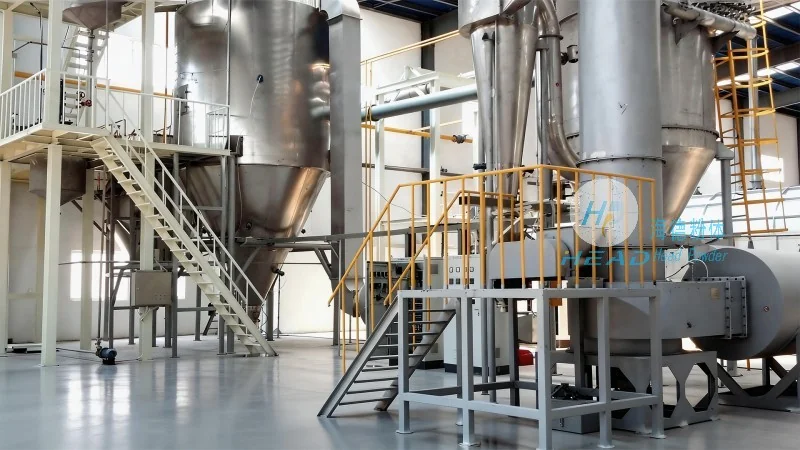
HeadPowder's Expertise in Designing Peanut Powder Conveying Solutions
Shandong HeadPowder Engineering Co., Ltd., a leading manufacturer based in China, specializes in the design and production of peanut powder conveying lines tailored to the unique needs of food processing facilities. With years of experience in the industry, HeadPowder has developed a deep understanding of the challenges associated with handling peanut powder and has refined its design principles to deliver high-performance systems. The company’s approach involves working closely with clients to understand their specific requirements, such as production volume, space constraints, and product specifications, and then customizing a conveying line that meets those needs. HeadPowder’s systems are built with quality materials and advanced technology, ensuring durability, efficiency, and compliance with food safety regulations. The company’s team of engineers and technicians are skilled in both the theoretical and practical aspects of powder handling, allowing them to provide comprehensive solutions that address not only the conveying process but also the overall workflow in the processing plant. By choosing HeadPowder, food processing companies can benefit from reliable, efficient, and cost-effective peanut powder conveying lines that enhance their operational capabilities and product quality.




