What is a Dry Flue Gas Desulfurization Ash Powder Conveying Line? And What Are Its Design Principles
Release time:2026-09-15 16:01:18
name of the company:Shandong Headpowder Engineering Co., Ltd.
telephone:156-6277-7102
contacts:Zhang manager
For industrial facilities dealing with flue gas desulfurization (FGD) processes, the efficient handling and transportation of ash byproducts are critical to operational efficiency and environmental compliance. A dry flue gas desulfurization ash powder conveying line is a specialized system engineered to manage these fine powders, ensuring safe, reliable, and cost-effective transport from the FGD system to disposal or reutilization sites. This article explores the concept of such a conveying line and delves into its fundamental design principles.
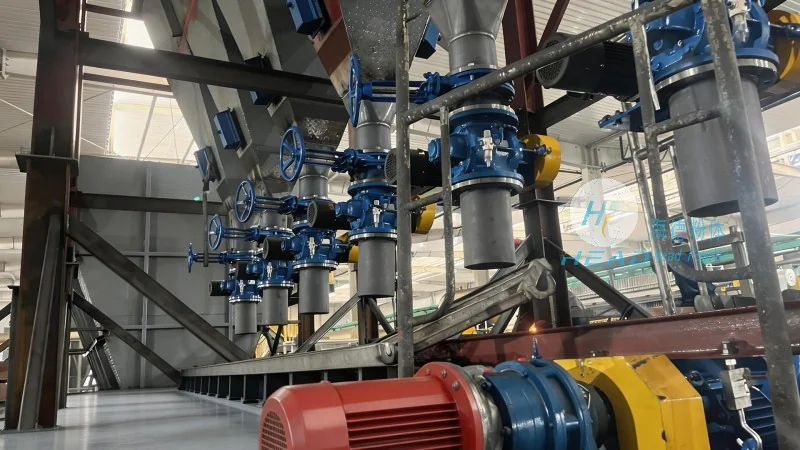
Understanding the Dry FGD Ash Powder Conveying Line
The dry flue gas desulfurization ash powder conveying line is a critical component in modern power plants and industrial facilities that employ wet or semi-dry flue gas desulfurization technologies. FGD processes remove sulfur dioxide (SO₂) from exhaust gases, producing a fine ash byproduct that must be transported away from the main plant area. This conveying line is designed to handle the unique characteristics of FGD ash—such as its high moisture content (in wet systems) or fine particle size—using specialized equipment that minimizes dust generation and ensures stable flow.
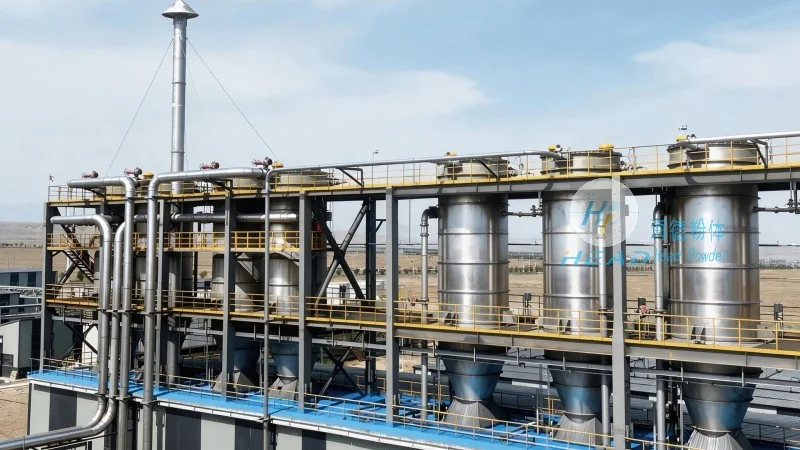
Key Components and Design Considerations
The design of a dry FGD ash powder conveying line involves several key components, each tailored to address the challenges of ash transport. These components include:
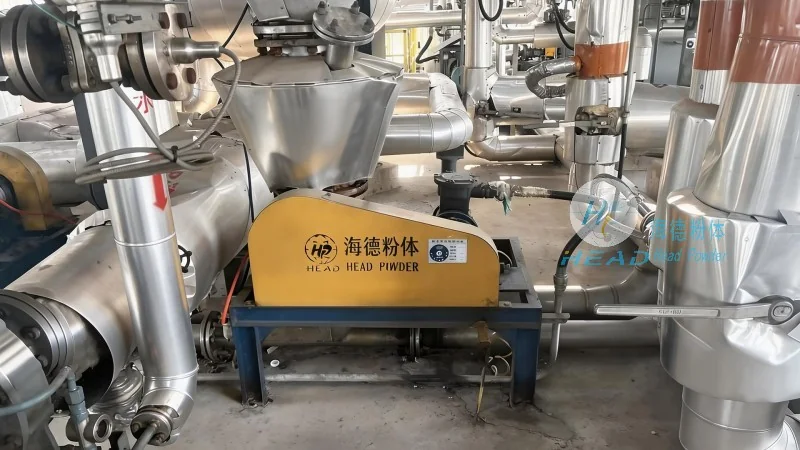
- Feeding Equipment: Typically, a screw feeder or a rotary valve is used to introduce the ash from the FGD system into the conveying line. These devices ensure a consistent and controlled feed rate, preventing blockages and maintaining uniform flow.
- Pneumatic Conveying Systems: Many dry ash conveying lines utilize pneumatic systems, which use air pressure to move the ash through pipelines. This method is effective for fine powders and allows for long-distance transport without the need for mechanical components at bends or changes in elevation.
- Pipeline and Fittings: The conveying line consists of stainless steel or corrosion-resistant pipes, along with specialized fittings like elbows, tees, and expansion joints. These components are designed to withstand the abrasive nature of ash particles and resist corrosion from moisture or acidic gases.
- Dust Control and Collection: To mitigate environmental and health risks, the system incorporates dust collection and filtration systems. These may include cyclone separators, baghouses, or electrostatic precipitators to capture and contain airborne ash particles before they are released into the environment.
- Control and Monitoring Systems: Modern conveying lines are equipped with automated control systems that monitor flow rates, pressure, and temperature. These systems ensure optimal operation, detect anomalies, and trigger alarms or shutdowns if issues arise, enhancing safety and reliability.
Design Principles for Efficient Operation
The design of a dry flue gas desulfurization ash powder conveying line is guided by several core principles aimed at maximizing efficiency, safety, and longevity. These principles include:
- Material Compatibility: All components, from pipes to valves, are selected to be compatible with the chemical and physical properties of FGD ash. This includes resistance to corrosion from acidic byproducts and abrasion from fine particles, ensuring the system’s durability over time.
- Flow Optimization: The system is designed to maintain a consistent flow rate and minimize pressure drops. This is achieved through proper sizing of pipelines, the use of smooth surfaces to reduce friction, and the incorporation of air-assist systems to prevent material bridging or clogging.
- Energy Efficiency: Efficient design focuses on minimizing energy consumption. This includes optimizing air pressure in pneumatic systems, using variable frequency drives (VFDs) to control motor speeds, and selecting components that reduce energy losses during operation.
- Environmental Compliance: The design incorporates strict dust control measures to comply with environmental regulations. This includes sealed systems, filtration equipment, and monitoring systems to ensure that emissions are within permissible limits, protecting both human health and the environment.
- Reliability and Maintenance: The system is engineered for long-term reliability with minimal downtime. This involves using robust components, easy access for maintenance, and predictive maintenance systems that alert operators to potential issues before they cause failures.
Applications and Benefits
Dry flue gas desulfurization ash powder conveying lines are widely used in power plants, chemical facilities, and other industrial operations where FGD is employed. The primary benefits of these systems include:
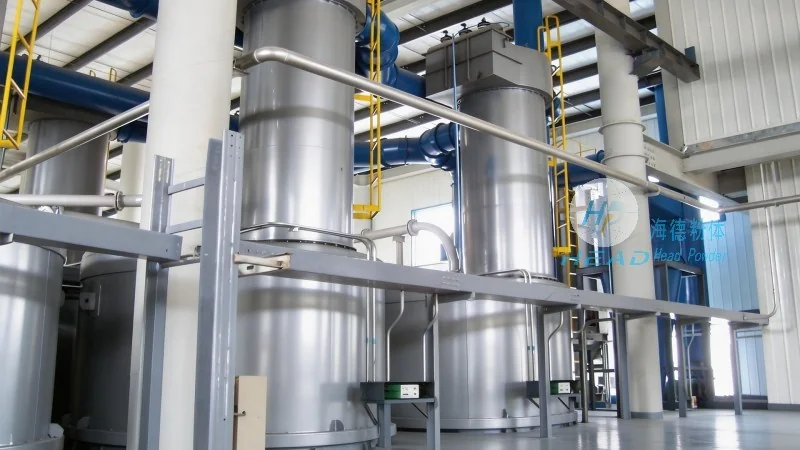
- Safe and Efficient Transport: The system ensures that ash is transported safely and efficiently from the FGD system to disposal or reutilization sites, reducing the risk of accidents and environmental contamination.
- Reduced Environmental Impact: By containing and controlling dust emissions, the system minimizes the impact of ash on the surrounding environment, helping facilities meet regulatory requirements.
- Cost-Effective Operation: The design focuses on energy efficiency and low maintenance, leading to reduced operational costs over the system’s lifespan.
- Scalability: The conveying line can be scaled to accommodate varying ash production rates, making it suitable for both small and large-scale industrial applications.
Conclusion
A dry flue gas desulfurization ash powder conveying line is a sophisticated system that plays a vital role in the operation of facilities using flue gas desulfurization technologies. By integrating specialized components and adhering to key design principles, these systems ensure the safe, efficient, and environmentally responsible transport of FGD ash. For industrial facilities seeking to optimize their FGD processes, investing in a well-designed conveying line is essential for maintaining operational efficiency and compliance with environmental standards.




