For industrial applications that require the efficient and reliable transport of powdered materials, specialized equipment like the paper sheet powder conveyor plays a crucial role. This equipment is specifically designed to handle materials that are in a fine powder form, often used in various manufacturing processes. Understanding what a paper sheet powder conveyor is and its underlying design principles is essential for selecting the right equipment for your operational needs.
Understanding the Paper Sheet Powder Conveyor
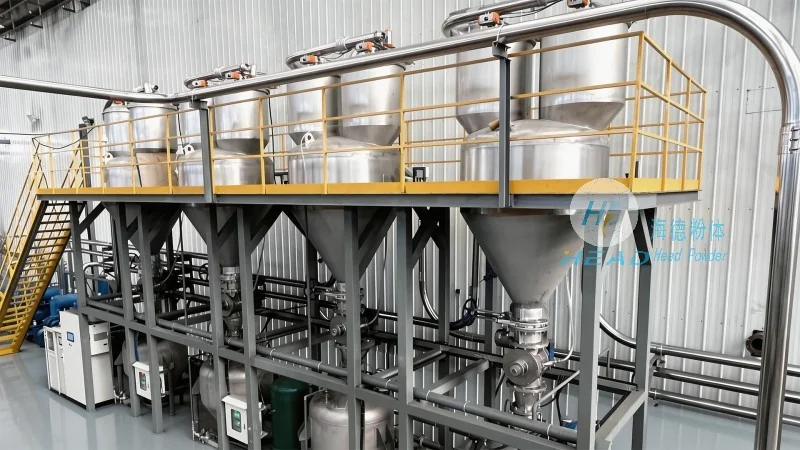
A paper sheet powder conveyor is a type of bulk material handling system engineered to transport dry powders or granules from one location to another. It is commonly used in industries such as pharmaceuticals, food processing, chemicals, and mining, where the consistent and controlled movement of powders is critical. The primary function of this equipment is to ensure that powders are moved without degradation, segregation, or loss, maintaining the integrity of the material throughout the process.
Key Design Principles of the Paper Sheet Powder Conveyor
The design of a paper sheet powder conveyor is built upon several fundamental principles that ensure its effectiveness and reliability. These principles include the use of appropriate materials for construction, the selection of suitable conveying mechanisms, and the incorporation of features that minimize material degradation. Let's explore these design aspects in more detail.
Material Selection and Construction
One of the critical design considerations for a paper sheet powder conveyor is the choice of materials used in its construction. The equipment must be made from materials that are compatible with the specific powder being handled, preventing contamination and ensuring durability. Common materials include stainless steel, which offers excellent resistance to corrosion and wear, and food-grade plastics for applications involving edible materials. The construction also involves the use of smooth, non-porous surfaces to avoid material buildup and ensure easy cleaning. This design choice is vital for maintaining hygiene and compliance with industry standards, especially in sectors like pharmaceuticals and food processing.
Conveying Mechanisms and Flow Control
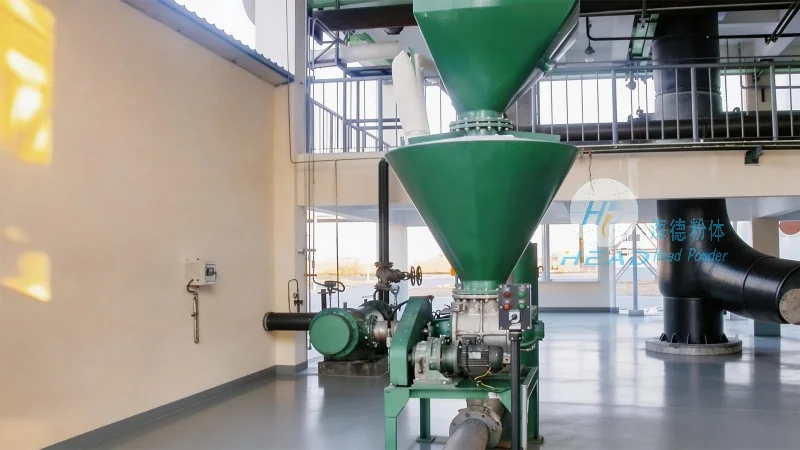
The core of a paper sheet powder conveyor's design lies in its conveying mechanisms. These systems are engineered to move powders in a controlled manner, preventing issues like bridging, caking, or air entrapment. The most common types of conveying mechanisms include screw conveyors, pneumatic conveyors, and belt conveyors. Screw conveyors use rotating screws to push materials forward, providing a continuous and reliable flow. Pneumatic conveyors, on the other hand, use air pressure to transport powders through a pipeline, offering flexibility in layout and the ability to handle materials over longer distances. Belt conveyors, similar to those used in bulk material handling, utilize a moving belt to transport powders, suitable for applications requiring high throughput and minimal material degradation.
Preventing Material Degradation and Segregation
A key design principle is the prevention of material degradation and segregation during transport. Degradation can occur due to friction, impact, or exposure to air, which can alter the properties of the powder. To mitigate this, the conveyor design incorporates features such as gentle material handling, minimal impact points, and enclosed systems that reduce exposure to the environment. Segregation, where different particle sizes or densities separate during transport, is another concern. The design addresses this by ensuring uniform flow and using baffles or mixers within the conveyor to maintain the material's homogeneity. These measures are essential for maintaining the quality and consistency of the powder, which is critical for downstream processes.
Control Systems and Automation
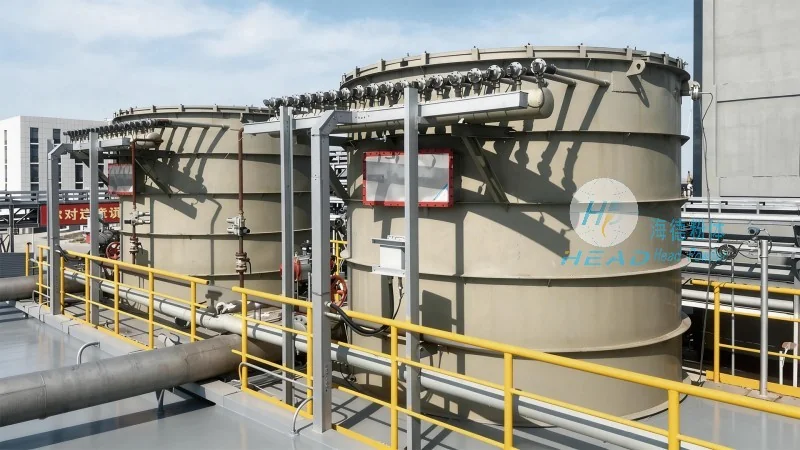
Modern paper sheet powder conveyors often incorporate advanced control systems and automation features to enhance operational efficiency and safety. These systems allow for precise control over the conveying speed, pressure, and flow rate, ensuring that the material is transported at the optimal conditions. Automation also enables the integration of the conveyor with other equipment in the production line, facilitating a seamless workflow. For example, sensors can be used to monitor the level of material in the hopper or the pressure in the system, triggering alerts or adjustments as needed. This level of control not only improves efficiency but also reduces the risk of operational errors and material loss.
Applications and Benefits
The paper sheet powder conveyor is widely used in various industrial applications due to its ability to handle fine powders efficiently and reliably. In the pharmaceutical industry, it is used to transport active pharmaceutical ingredients (APIs) and excipients, ensuring that the materials are handled under sterile and controlled conditions. In food processing, it is used to move ingredients like flour, sugar, and spices, maintaining the quality and safety of the final products. In the chemical industry, it is used to transport chemicals and reagents, preventing contamination and ensuring consistent product quality. The benefits of using a paper sheet powder conveyor include improved process efficiency, reduced material loss, enhanced safety, and compliance with industry regulations.
About Shandong HeadPowder Engineering Co., Ltd.
Shandong HeadPowder Engineering Co., Ltd., commonly known as HeadPowder, is a leading manufacturer of bulk material handling equipment. With a focus on innovation and quality, the company specializes in designing and manufacturing paper sheet powder conveyors and other related equipment. HeadPowder's products are engineered to meet the specific needs of various industries, ensuring reliable and efficient material transport. The company's commitment to customer satisfaction and technical excellence has made it a trusted partner for businesses worldwide. HeadPowder's headquarters is located in Shandong, China, where the company operates its manufacturing facilities and research and development centers. The company's team of experts works closely with clients to understand their operational requirements and provide tailored solutions that enhance productivity and safety.




