Tea powder conveying machines are specialized equipment designed to handle and transport fine tea powders efficiently. These machines are crucial in the tea processing industry, ensuring that tea powders are moved safely and effectively from one stage of production to another. The design of such machinery is tailored to address the unique challenges posed by tea powders, including their fine particle size, potential for dust generation, and the need for hygienic handling to maintain product quality.
Key Design Principles of Tea Powder Conveying Systems
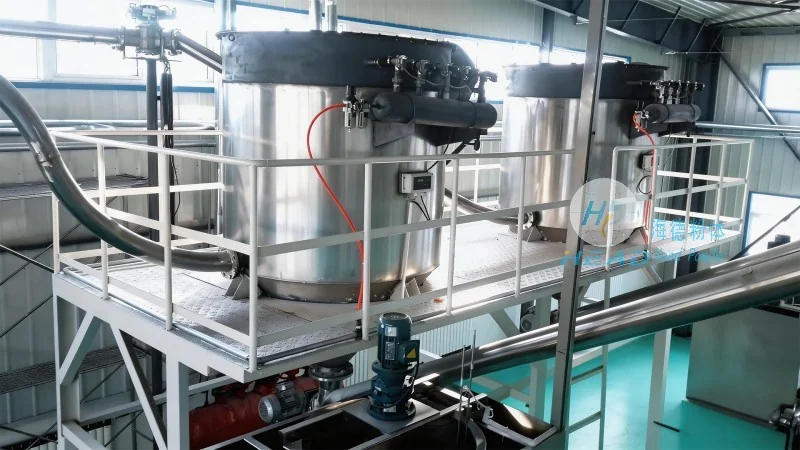
The design of a tea powder conveying machine typically incorporates several key principles to ensure optimal performance. One of the primary considerations is the prevention of product contamination and loss. This is achieved through the use of sealed systems and positive displacement mechanisms that minimize exposure to the environment. Additionally, the design focuses on maintaining the integrity of the tea powder, preventing agglomeration or degradation during transport. The choice of materials for construction, such as stainless steel, is critical to ensure durability and resistance to corrosion, which is essential for handling both green and black tea powders.
Components and Working Mechanisms
Tea powder conveying machines often consist of several key components, including a hopper for material storage, a conveyor system (such as a screw conveyor or pneumatic conveyor), and control systems for operation. The hopper is designed to hold the tea powder and feed it into the conveyor system at a controlled rate. The conveyor mechanism then transports the powder to the next processing stage. For example, a screw conveyor uses rotating screws to push the powder forward, while a pneumatic conveyor uses air pressure to move the powder through a tube. The control systems allow operators to adjust the speed and flow rate of the conveyor, ensuring precise and consistent material handling.
Applications in Tea Processing
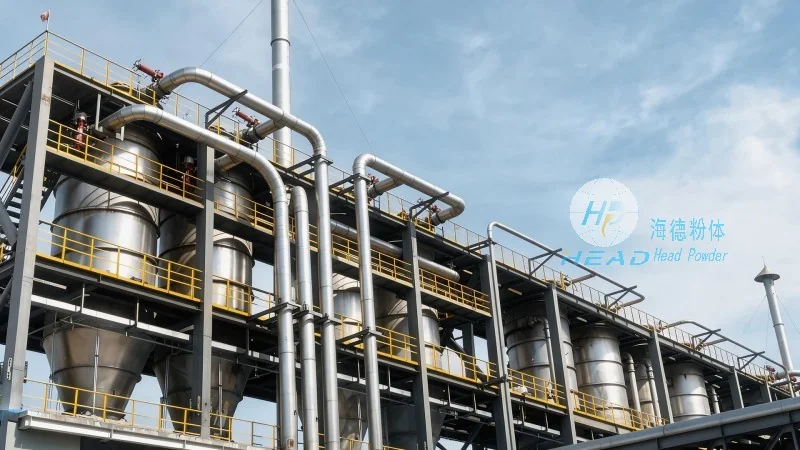
Tea powder conveying machines are widely used in various stages of tea processing. They are commonly employed in the blending and packaging processes, where tea powders need to be moved from storage silos to packaging machines. In addition, these machines are used in quality control operations, where tea powders are sampled and analyzed. The ability to handle fine powders without clogging or loss makes them ideal for these applications. Furthermore, the hygienic design of these machines ensures that they meet the stringent standards required for food processing, particularly in the tea industry.
Advantages of Using Tea Powder Conveying Machines
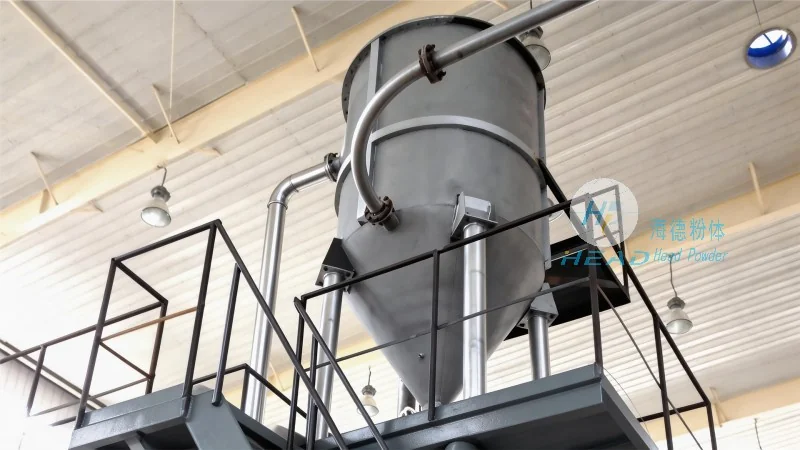
Implementing tea powder conveying machines offers several advantages in tea processing operations. Firstly, they improve efficiency by automating the material handling process, reducing the need for manual labor and minimizing the risk of human error. Secondly, they enhance product quality by maintaining the purity and consistency of the tea powder throughout the transport process. This is particularly important for high-value tea powders, where even small variations can affect the final product's taste and appearance. Thirdly, these machines contribute to a safer working environment by reducing dust exposure and minimizing the risk of accidents associated with manual handling of powders.
Customization and Maintenance
Tea powder conveying machines can be customized to meet the specific needs of different tea processing facilities. Manufacturers, such as Shandong HeadPowder Engineering Co., Ltd., based in China, offer tailored solutions that consider factors like the type of tea powder, production volume, and facility layout. Regular maintenance is essential to ensure the longevity and optimal performance of these machines. This includes cleaning the conveyor system, checking for wear and tear on components, and performing routine inspections to identify and address any issues before they become major problems.




