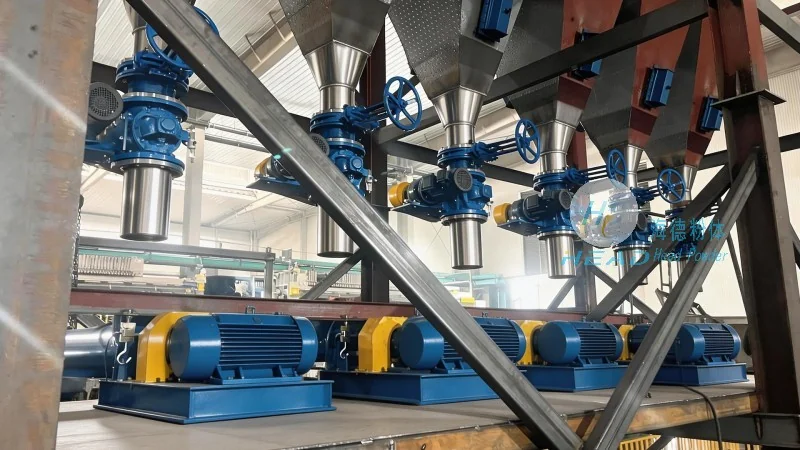
Neoprene material handling systems represent a specialized category of industrial equipment designed to transport and manage materials using neoprene-based components. These systems are integral to various industries, including manufacturing, logistics, and chemical processing, where the handling of materials requires durability, flexibility, and resistance to environmental factors. Understanding the fundamentals of neoprene material handling, including its design principles, is crucial for optimizing operational efficiency and ensuring the longevity of the equipment.
Understanding Neoprene Material Handling Systems
Neoprene, also known as polychloroprene, is a synthetic rubber known for its excellent resistance to oil, chemicals, and weathering. This property makes it an ideal material for components in material handling equipment, such as conveyor belts, hoses, and seals. Neoprene material handling systems leverage these characteristics to facilitate the safe and efficient movement of bulk materials, powders, and liquids. The design of these systems is tailored to meet specific operational demands, ensuring that the equipment can withstand the rigors of continuous use while maintaining performance standards.
The Core Design Principles of Neoprene Material Handling
The design of neoprene material handling systems is guided by several key principles that ensure functionality, reliability, and adaptability. First, the selection of neoprene components is critical. Engineers consider factors such as the material's tensile strength, elongation at break, and resistance to abrasion and ozone. These properties determine the system's ability to handle heavy loads and resist wear from frequent use. Second, the system's configuration is optimized for the specific material being transported. For example, conveyor belts with neoprene coatings may feature different thicknesses and surface textures to prevent material buildup and ensure smooth flow. Third, the integration of safety features is paramount. Neoprene material handling systems often include sensors and control mechanisms to monitor load levels, prevent overloading, and protect operators from potential hazards. These design elements collectively contribute to the system's effectiveness and longevity.
Key Components and Their Functionality
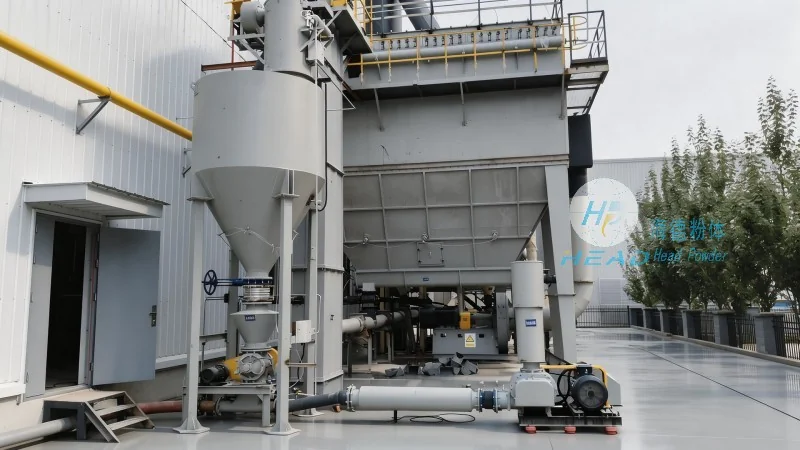
Neoprene material handling systems consist of several key components, each playing a vital role in the overall operation. The primary component is the conveyor belt, which is typically made from neoprene-coated fabric or rubber. This belt is designed to carry materials from one location to another, with the neoprene surface providing grip and resistance to the material being transported. Hoses and pipes, often made from neoprene, are used for fluid handling, offering flexibility and chemical resistance. Seals and gaskets, also neoprene-based, are essential for preventing leaks and maintaining the integrity of the system. Additionally, pulleys and rollers, which may be coated with neoprene, help in guiding the belt and reducing friction. Each component is engineered to work in harmony, ensuring that the system operates smoothly and efficiently.
Applications and Industries
Neoprene material handling systems are widely used across various industries due to their versatility and durability. In the manufacturing sector, they are employed in the handling of raw materials and finished products, such as in food processing plants where neoprene belts are used to transport food products without contamination. In the chemical industry, neoprene hoses and pipes are used to transport corrosive liquids, as the material resists chemical degradation. The logistics and warehousing industries also benefit from neoprene conveyor systems, which help in sorting and moving packages efficiently. These applications highlight the adaptability of neoprene material handling systems to diverse operational needs.
Advantages of Neoprene Material Handling
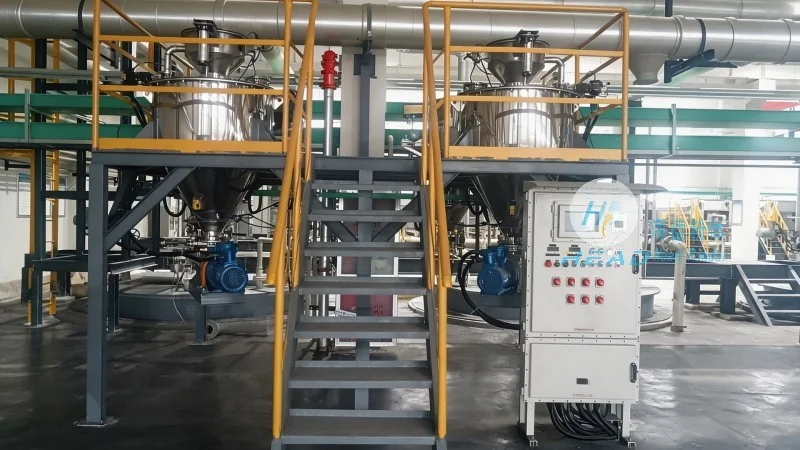
There are several advantages to using neoprene material handling systems. One of the most significant is their resistance to environmental factors, including oil, chemicals, and UV radiation. This makes them suitable for outdoor and industrial environments where other materials may degrade quickly. Additionally, neoprene offers excellent flexibility, allowing components to bend and flex without breaking, which is crucial for hoses and conveyor belts that need to navigate tight spaces. The material's durability also reduces maintenance costs, as neoprene components have a longer service life compared to other materials. Furthermore, neoprene is non-toxic and safe for handling food and other materials that require hygiene standards. These advantages make neoprene material handling systems a preferred choice for many industries.
Design Considerations and Customization
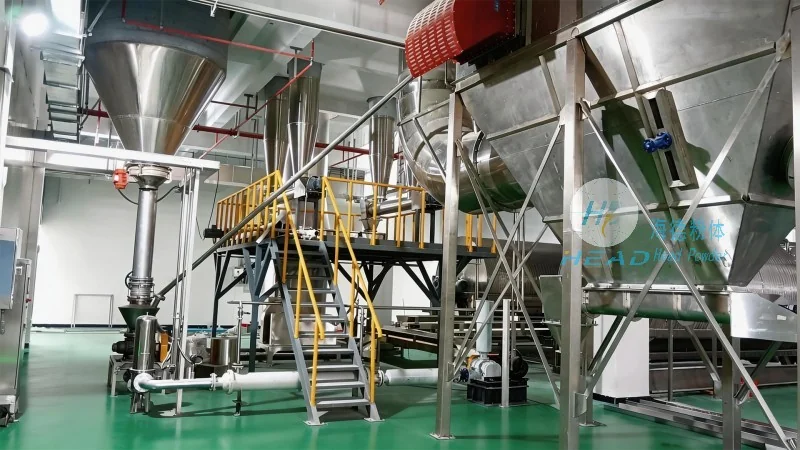
When designing neoprene material handling systems, several factors must be considered to ensure optimal performance. The first consideration is the type of material being handled. For instance, abrasive materials may require thicker neoprene belts with reinforced surfaces to prevent wear. The system's load capacity is another critical factor, as the design must accommodate the weight and volume of the materials being transported. The environmental conditions, such as temperature and humidity, also play a role in material selection, as neoprene's properties can change with temperature variations. Customization is often necessary to meet specific operational requirements. For example, a neoprene conveyor belt may be customized with different widths, lengths, and surface textures to suit the application. Engineers work closely with clients to understand their needs and design systems that are tailored to their specific requirements.
Maintenance and Longevity
Maintaining neoprene material handling systems is essential to ensure their longevity and performance. Regular inspections are necessary to check for signs of wear, such as cracks or abrasions on the neoprene components. Cleaning the system regularly helps prevent material buildup and ensures smooth operation. Lubrication of moving parts, such as pulleys and rollers, is also important to reduce friction and extend their lifespan. Proper storage of neoprene components, especially hoses and belts, can prevent damage from UV exposure or moisture. By following these maintenance practices, the system's performance can be maintained, and the lifespan of the equipment can be extended. This reduces the need for frequent replacements and lowers overall operational costs.




