Dry gravel material handling is a specialized field within material handling and processing, focusing on the efficient transport and management of dry, loose gravel or similar granular materials. This process is crucial in various industries, including construction, mining, and landscaping, where the movement of bulk dry gravel is essential for project execution. The core of dry gravel material handling lies in the design and implementation of systems that can reliably and safely transport these materials from one location to another without compromising their quality or integrity.
The Fundamental Design Principles of Dry Gravel Handling Systems
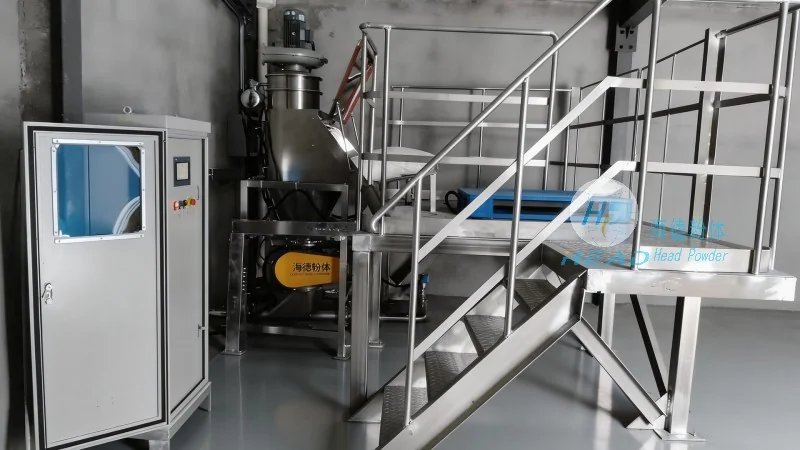
Designing an effective dry gravel material handling system involves several key principles that ensure efficiency, safety, and durability. First, the system must be tailored to the specific characteristics of the gravel, such as its size distribution, moisture content, and bulk density. These properties directly influence the choice of equipment and the overall layout of the handling infrastructure. For instance, larger or more irregularly shaped gravel may require different conveyor types or feeding mechanisms compared to finer, more uniform materials. Additionally, the system must account for the potential for material segregation, which can occur during transport and lead to uneven distribution of the gravel. Proper design, including the use of appropriate screening or blending equipment, helps mitigate this issue and maintain consistent material quality.
Key Components and Equipment in Dry Gravel Handling Systems
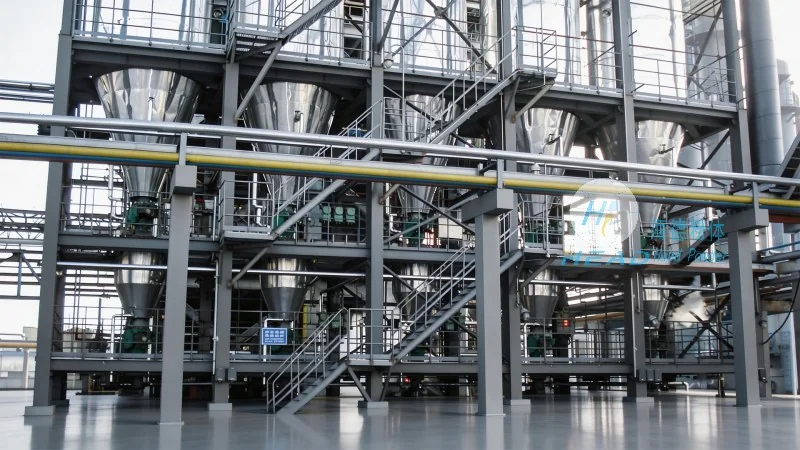
The headpowder company, Shandong HeadPowder Engineering Co., Ltd., specializes in the design and implementation of comprehensive dry gravel material handling solutions. Their systems typically incorporate a range of essential components, including feeders, conveyors, and storage facilities, all engineered to work in harmony. Feeders, such as belt feeders or vibratory feeders, are used to control the flow of gravel from storage bins or stockpiles, ensuring a steady and controlled feed rate to the conveyor system. Conveyors, often in the form of belt conveyors or screw conveyors, are the primary means of transporting the gravel over longer distances. These conveyors are designed with materials that resist abrasion and wear, as dry gravel can be quite abrasive to metal surfaces. In addition to conveyors, the system may include elevators or vertical conveyors to move gravel to elevated levels, and transfer points to direct the material to different destinations. The integration of these components is critical for the smooth operation of the entire handling process.
Addressing Challenges in Dry Gravel Material Handling
Effective dry gravel material handling also requires addressing common challenges that can impact system performance. One major challenge is the potential for material buildup or blockages in the conveyor system, especially if the gravel contains larger particles or has high moisture content. To prevent this, the system may include features such as self-cleaning mechanisms or adjustable speed controls that allow operators to adjust the feed rate based on the material conditions. Another challenge is maintaining the quality of the gravel during transport, as exposure to air or moisture can alter its properties. Proper sealing and covering of the conveyor system, along with the use of enclosed or covered conveyors, helps minimize these effects and preserve the material's integrity. Additionally, the system must be designed with safety in mind, incorporating features like emergency stop buttons, protective guards, and proper ventilation to protect operators and prevent accidents.
The Role of Engineering Expertise in Dry Gravel Handling Solutions
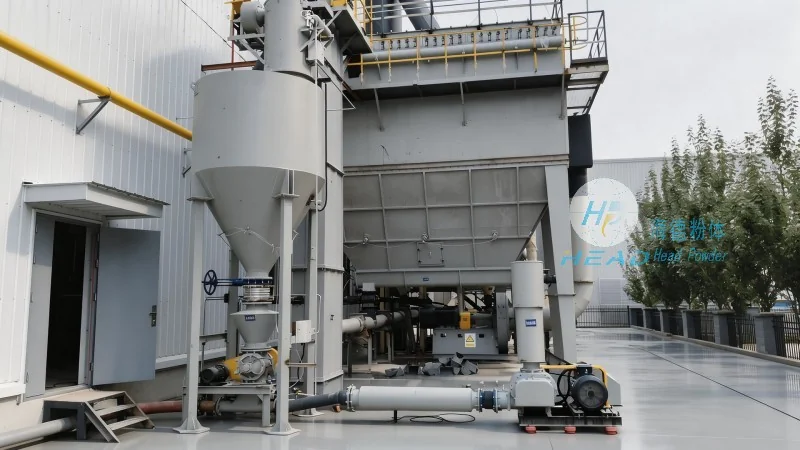
Shandong HeadPowder Engineering Co., Ltd. leverages extensive engineering expertise to develop customized dry gravel handling solutions that meet the specific needs of their clients. Their team of engineers works closely with clients to understand their operational requirements, material characteristics, and site constraints. This collaborative approach ensures that the final design is not only efficient but also practical and cost-effective. The company utilizes advanced design software and simulation tools to model the handling system, allowing them to optimize the layout and component selection before construction. This engineering approach helps identify potential issues early in the design phase, reducing the risk of costly modifications or system failures during operation. By combining technical knowledge with practical experience, headpowder provides reliable and durable dry gravel handling systems that enhance productivity and safety in various industrial applications.




