Lithium-ion battery anode materials are a critical component in the production of modern rechargeable batteries, playing a vital role in determining the performance, capacity, and safety of the final battery products. The efficient handling and transportation of these materials from raw material processing to the final electrode formation stage are essential for maintaining high production efficiency and product quality. This article explores the concept of lithium-ion battery anode material material handling and delves into the design principles that underpin the systems used for this purpose.
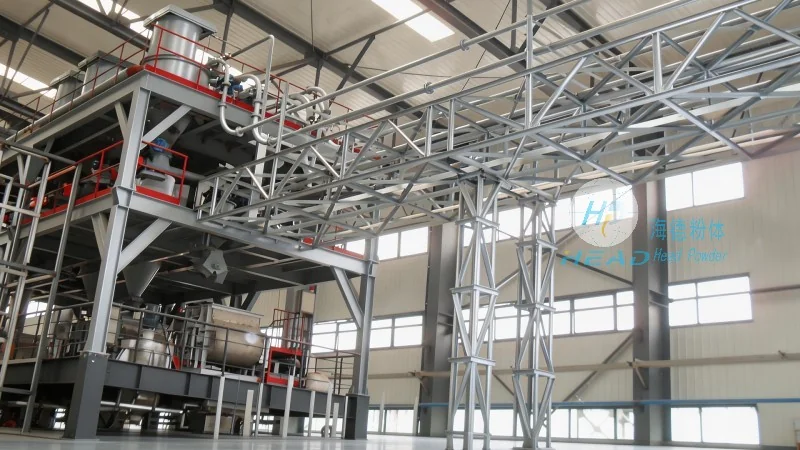
Understanding Lithium-Ion Battery Anode Material Material Handling
Material handling in the context of lithium-ion battery anode materials refers to the processes and equipment used to move, store, and manage raw materials, intermediate products, and finished electrode materials throughout the manufacturing workflow. This includes tasks such as conveying powders, transferring slurry, and handling dried or coated electrode sheets. The goal is to ensure that materials are transported with minimal loss, contamination, and energy consumption, while maintaining the integrity of the material properties, which are crucial for battery performance.
The Role of Material Handling in Battery Production
Efficient material handling systems are integral to the overall battery production line. They connect various production stages, such as raw material grinding, mixing, coating, and drying, ensuring a seamless flow of materials. Proper material handling reduces downtime, minimizes material waste, and improves the consistency of the final electrode products. For lithium-ion battery anode materials, which are often sensitive to moisture, temperature, and contamination, the design of the handling system is particularly important to preserve material quality and prevent degradation.
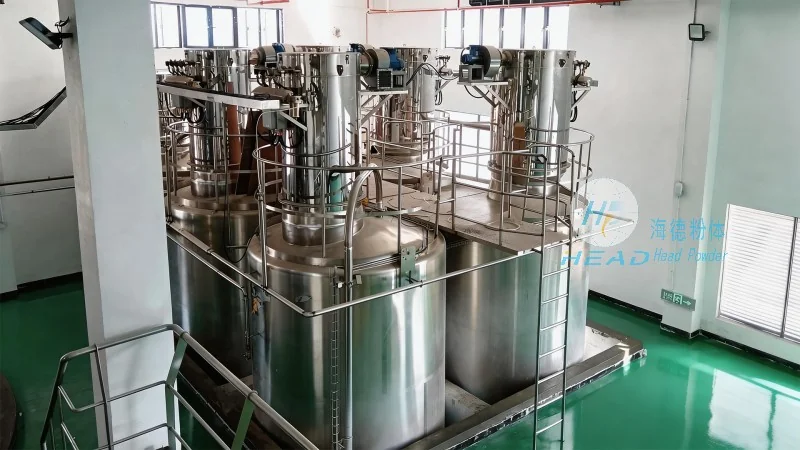
Design Principles for Lithium-Ion Battery Anode Material Handling Systems
The design of lithium-ion battery anode material handling systems follows several key principles to ensure optimal performance and reliability. These principles include: material compatibility, which ensures that the handling equipment does not react with or degrade the anode material; contamination control, to prevent the introduction of foreign particles or moisture; energy efficiency, to minimize operational costs; and scalability, to accommodate future production capacity increases. Additionally, the design must consider the specific properties of the anode material, such as its particle size, moisture content, and flow characteristics, to select the most appropriate conveying methods and equipment.
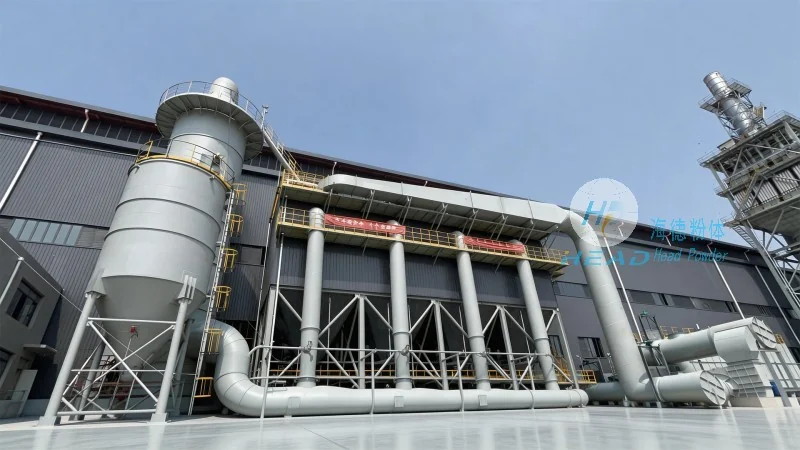
Key Components of Material Handling Systems for Anode Materials
Common components in lithium-ion battery anode material handling systems include conveyor belts, screw conveyors, pneumatic conveying systems, and storage silos. Conveyor belts are often used for transporting bulk powders and intermediate products over short to medium distances, while screw conveyors are suitable for handling dry powders and granules with moderate flowability. Pneumatic conveying systems, which use air pressure to move materials, are ideal for handling fine powders and preventing contamination. Storage silos are used to store raw materials and intermediate products, providing a controlled environment to maintain material quality.
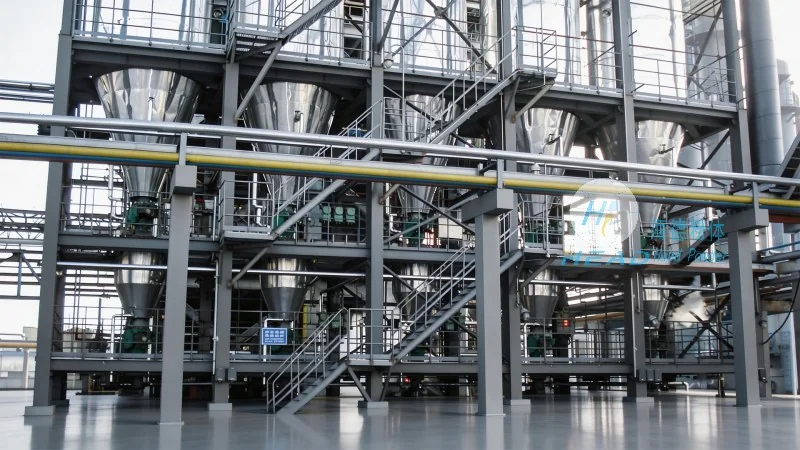
HeadPowder's Approach to Material Handling Solutions
Shandong HeadPowder Engineering Co., Ltd., a leading provider of material handling solutions for the lithium-ion battery industry, specializes in designing and manufacturing systems tailored to the unique requirements of anode material processing. The company's approach emphasizes a deep understanding of the material properties and production processes, enabling the development of customized solutions that meet the specific needs of each client. HeadPowder's systems are engineered to ensure high efficiency, low maintenance, and long-term reliability, contributing to improved production yields and product quality.
Conclusion
In summary, lithium-ion battery anode material material handling is a critical aspect of battery production, requiring specialized systems that adhere to strict design principles. The efficient handling of these materials not only enhances production efficiency but also directly impacts the performance and safety of the final battery products. Companies like Shandong HeadPowder Engineering Co., Ltd. play a vital role in providing advanced material handling solutions that meet the evolving demands of the lithium-ion battery industry.




