Understanding the material handling of sodium hydroxide powder is crucial for industries that rely on this chemical for various applications. This article delves into the specifics of sodium hydroxide powder material handling, exploring the design principles that ensure safe, efficient, and reliable operations. By examining the key factors and components involved, we can gain a comprehensive understanding of how such systems are engineered to meet industrial demands.
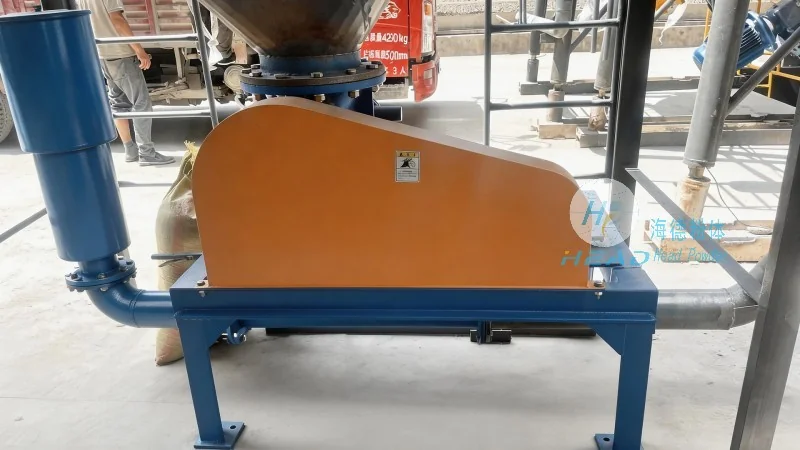
Sodium Hydroxide Powder Material Handling: An Overview
Sodium hydroxide, commonly known as caustic soda, is a highly caustic and reactive chemical. Its powder form requires specialized handling to prevent exposure, contamination, and accidents. Material handling systems for sodium hydroxide powder typically involve the storage, transfer, and processing of the powder from its source to the point of use. These systems must be designed to minimize dust generation, control air flow, and ensure proper containment to protect both personnel and the environment.
The Design Principles Behind Sodium Hydroxide Powder Handling Systems
The design of sodium hydroxide powder material handling systems is guided by several critical principles to ensure safety and efficiency. First, containment is paramount. Systems are engineered to prevent dust from escaping into the environment, which could lead to respiratory issues or contamination of other materials. This is achieved through the use of sealed hoppers, enclosed conveyors, and dust collection systems. Second, material compatibility is essential. The equipment used must be resistant to the corrosive nature of sodium hydroxide, often made from materials like stainless steel or specialized plastics that can withstand chemical exposure without degradation.
Third, the system must be designed for easy maintenance and cleaning. Sodium hydroxide can adhere to surfaces, making it important to incorporate features that allow for thorough cleaning to prevent buildup and maintain performance. This includes access panels, cleaning ports, and possibly automated cleaning mechanisms. Fourth, safety measures are integrated throughout the design. This includes emergency shutdown systems, ventilation controls, and monitoring equipment to detect any leaks or abnormal conditions. The overall goal is to create a system that operates with minimal risk to operators and the surrounding environment.
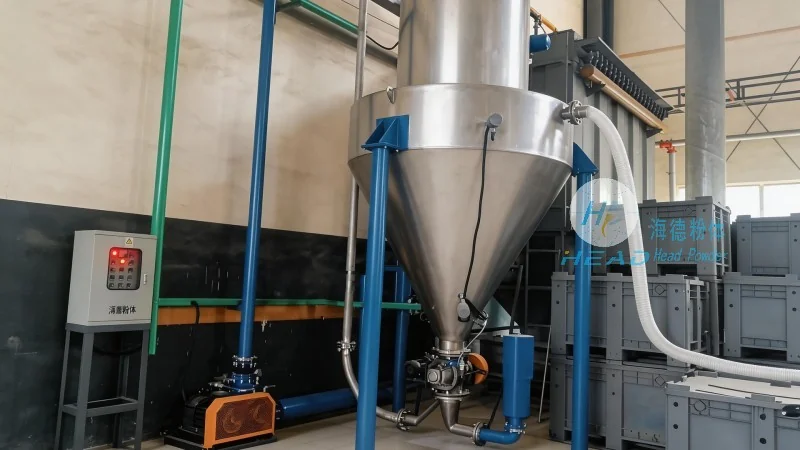
Key Components in Sodium Hydroxide Powder Material Handling
Several key components are integral to the functionality of sodium hydroxide powder material handling systems. The storage silo or hopper is the initial point of contact, where the powder is stored under controlled conditions. From there, material is transferred using various types of conveyors, such as screw conveyors, pneumatic conveyors, or belt conveyors, depending on the specific requirements of the application. Pneumatic conveyors, for example, use air to transport the powder, which can be effective for long-distance or high-volume transfers but requires careful control of air pressure and flow to prevent clogging or dust dispersion.
Another critical component is the dust collection system. As the powder is handled, fine particles can become airborne, posing health risks and environmental concerns. High-efficiency particulate air (HEPA) filters or other filtration systems are typically employed to capture these particles, ensuring that the air is clean and safe for the workplace. Additionally, the system may include dosing or feeding mechanisms that control the precise amount of sodium hydroxide being used, which is important for processes that require exact chemical concentrations.
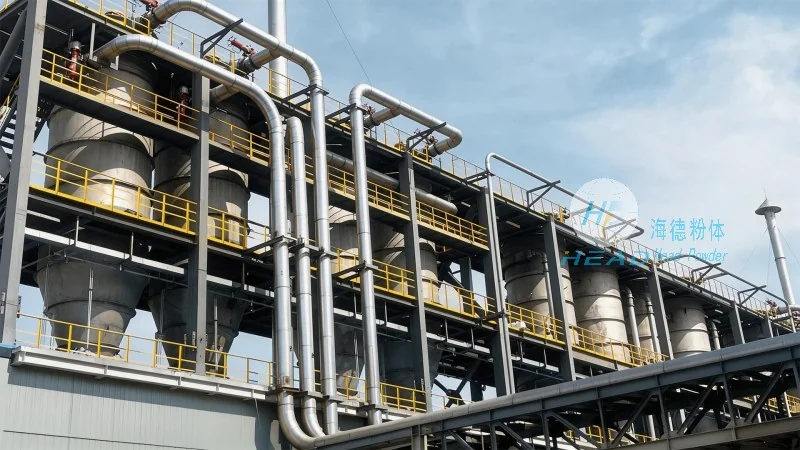
Application-Specific Considerations in Sodium Hydroxide Powder Handling
The design of sodium hydroxide powder handling systems must also account for the specific application in which the chemical is used. For instance, in the paper industry, sodium hydroxide is used for pulp processing, requiring systems that can handle large volumes of powder and integrate with existing production lines. In the chemical manufacturing sector, the powder may be used in reaction processes, necessitating systems that can deliver precise dosages and maintain consistent flow rates. Each application may have unique requirements regarding temperature control, moisture levels, or the need for additional processing steps, all of which influence the overall design of the material handling system.
Ensuring Compliance and Safety Standards
When designing sodium hydroxide powder material handling systems, adherence to safety and regulatory standards is non-negotiable. Organizations like the Occupational Safety and Health Administration (OSHA) in the United States and similar bodies in other regions set guidelines for handling hazardous chemicals, including sodium hydroxide. These standards cover aspects such as ventilation requirements, personal protective equipment (PPE) usage, and emergency response protocols. The design must incorporate features that meet or exceed these standards, ensuring that the system is not only effective but also compliant with legal and industry requirements.
Conclusion
In summary, sodium hydroxide powder material handling systems are complex and critical components of many industrial processes. The design principles that guide these systems—focused on containment, material compatibility, ease of maintenance, and integrated safety measures—ensure that they operate efficiently while minimizing risks. By understanding these principles and the key components involved, industries can select or design material handling systems that meet their specific needs, enhancing productivity and safety in the handling of this essential chemical. Shandong HeadPowder Engineering Co., Ltd., a company based in China, specializes in engineering solutions for such material handling systems, providing expertise and tailored designs to meet the demands of various industrial applications.




