

What is a Sodium Hypochlorite Material Handling Line? And What Are Its Design Principles?
Sodium hypochlorite is a widely used chemical in various industrial applications, including water treatment, disinfection, and manufacturing processes. The efficient and safe transportation of this chemical is crucial for maintaining operational efficiency and ensuring workplace safety. A specialized system known as a sodium hypochlorite material handling line is designed to handle the storage, transfer, and distribution of this chemical. This article explores the components, design principles, and operational aspects of such a system, providing insights into its importance in industrial settings.
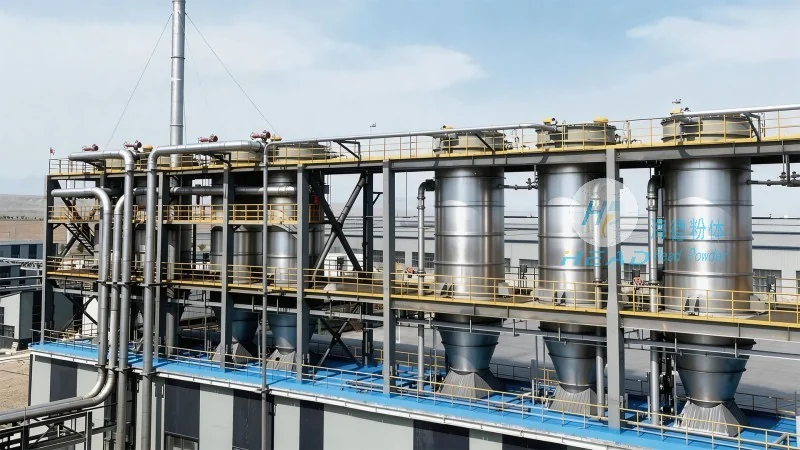
Key Components of a Sodium Hypochlorite Material Handling Line
The sodium hypochlorite material handling line typically consists of several key components that work in tandem to ensure safe and efficient operation. These components include storage tanks, pumps, piping systems, valves, and safety equipment. The storage tanks are usually made of corrosion-resistant materials like stainless steel to prevent degradation of the chemical. Pumps are used to transfer the liquid from the storage tanks to the point of use, and the piping system is designed to handle the flow of the chemical while minimizing pressure drops and ensuring proper mixing if required. Valves are strategically placed throughout the system to control the flow and direction of the liquid, allowing for precise regulation of the chemical's movement. Safety equipment, such as pressure relief valves and emergency shut-off systems, are integrated into the design to mitigate potential risks associated with handling a hazardous chemical.
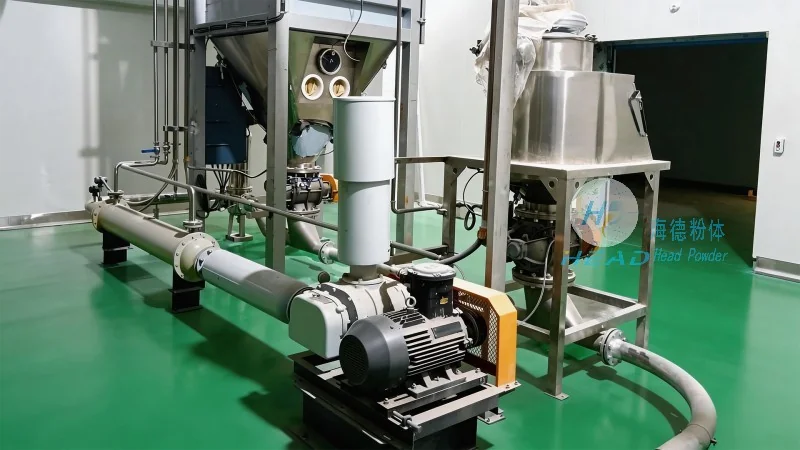
Design Principles for Sodium Hypochlorite Material Handling Lines
The design of a sodium hypochlorite material handling line follows specific principles to ensure safety, efficiency, and compliance with regulatory standards. One of the primary design principles is the use of corrosion-resistant materials to prevent the degradation of the chemical and the equipment. Stainless steel is commonly used for tanks, pipes, and fittings due to its resistance to chemical attack. Another key principle is the implementation of a closed-loop system to minimize exposure to the chemical and prevent leaks or spills. The system is designed to maintain a positive pressure to prevent air from entering the lines, which could lead to oxidation or other chemical reactions. Additionally, the design incorporates proper ventilation and containment measures to handle any accidental releases. The system is also engineered to allow for easy maintenance and cleaning, ensuring that it remains in optimal condition over time. Compliance with local and international safety regulations is a critical aspect of the design, as sodium hypochlorite is classified as a hazardous chemical under various standards.
Operational Considerations and Safety Measures
Operational considerations are essential for the safe and effective use of a sodium hypochlorite material handling line. Regular maintenance and inspection of the system are crucial to identify and address any potential issues before they escalate. This includes checking for leaks, corrosion, and proper functioning of valves and pumps. Training for personnel involved in operating the system is also vital, as they need to understand the risks associated with handling the chemical and how to respond to emergencies. Safety measures, such as personal protective equipment (PPE) and emergency response plans, are integrated into the operational procedures. The system is designed to have multiple safety interlocks to prevent accidental release of the chemical. For example, pressure sensors and alarms are installed to alert operators of any abnormal conditions. The design also considers the environmental impact, with proper containment and disposal procedures in place to handle any spills or waste generated during operation.
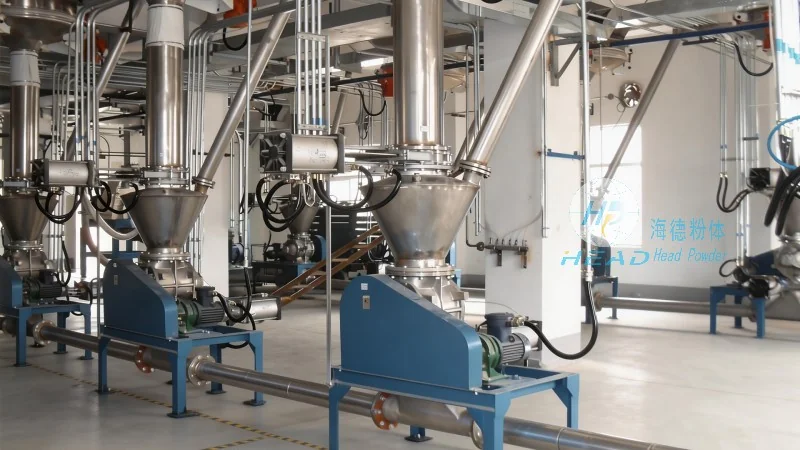
Applications and Benefits of Sodium Hypochlorite Material Handling Lines
Sodium hypochlorite material handling lines are used in a variety of industrial applications where the chemical is a critical component. In water treatment facilities, the system is used to deliver the chemical to disinfection processes, ensuring that water is treated effectively and safely. In manufacturing plants, the system is used to supply the chemical for cleaning and sanitizing equipment, maintaining hygiene standards. The benefits of using a specialized material handling line include improved efficiency, reduced labor costs, and enhanced safety. The system allows for precise control of the chemical's flow, minimizing waste and ensuring consistent performance. Additionally, the closed-loop design reduces the risk of exposure to the chemical, protecting workers and the environment. The system's reliability and durability also contribute to long-term cost savings, as it requires less frequent repairs and replacements compared to traditional methods of handling the chemical.