Denitrizer material handling conveyors are specialized systems engineered to transport denitrizer powders or granules efficiently and safely within industrial facilities. These conveyors are critical components in processes that involve the handling of nitrogen oxide reduction agents, commonly used in flue gas treatment for power plants and other industrial applications. Understanding the design principles behind these systems is essential for optimizing performance, ensuring compliance with environmental regulations, and maintaining operational efficiency.
Key Components of Denitrizer Material Handling Conveyors
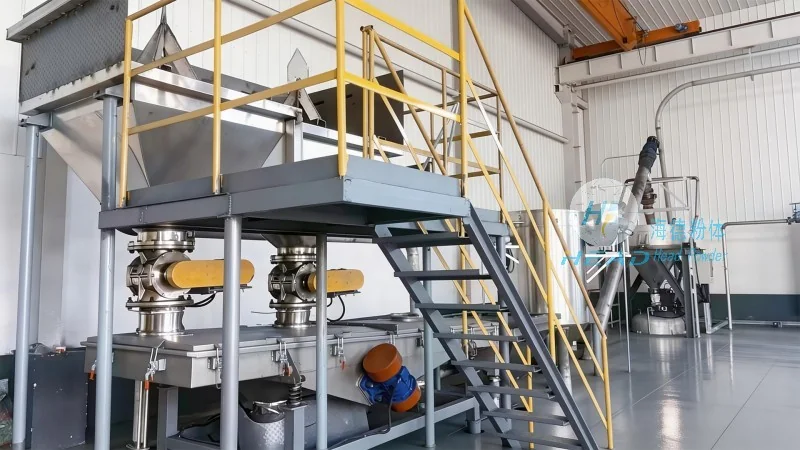
Denitrizer material handling conveyors typically consist of several key components that work in tandem to ensure smooth material transport. The primary components include a feeding mechanism, a conveyor belt or screw, a control system, and a discharge unit. The feeding mechanism is responsible for introducing the denitrizer material into the conveyor system, often using a hopper or a rotary valve to regulate the flow. The conveyor itself, which can be a belt conveyor, screw conveyor, or pneumatic conveyor, moves the material from the feeding point to the discharge point. The control system monitors and adjusts the speed and flow rate to maintain consistent material handling. Finally, the discharge unit collects the material at the end of the conveyor and directs it to the next processing stage.
Design Principles for Efficient Material Transport
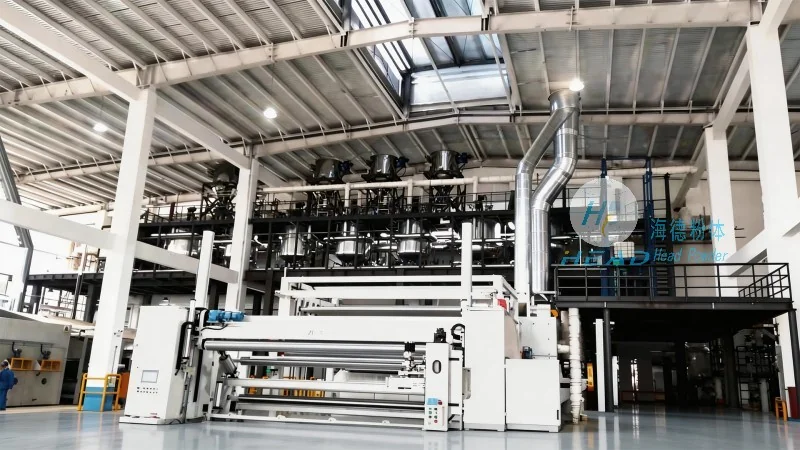
The design of denitrizer material handling conveyors is guided by several key principles aimed at ensuring efficiency, safety, and reliability. One of the primary principles is minimizing material degradation and dust generation. Denitrizer powders are often fine and prone to caking or dusting, which can affect downstream processes and cause safety hazards. Therefore, conveyor designs incorporate features such as smooth surfaces, low-friction materials, and dust collection systems to mitigate these issues. Another critical principle is ensuring uniform material flow. Variations in flow rate can lead to uneven distribution of the denitrizer, affecting the effectiveness of the flue gas treatment process. To address this, conveyors are equipped with variable speed drives and flow control devices that allow operators to adjust the speed based on the material characteristics and processing requirements.
Material Handling Considerations for Denitrizer Powders
Denitrizer powders, such as urea or ammonia-based compounds, have specific handling characteristics that must be considered in conveyor design. These materials are often hygroscopic, meaning they absorb moisture from the air, which can lead to clumping and blockages in the conveyor system. To prevent this, conveyors are often equipped with heating elements or enclosed environments to maintain a dry and consistent temperature. Additionally, the material's abrasiveness and potential for chemical reactions with the conveyor components must be evaluated. Materials like urea can be corrosive or cause wear on metal surfaces, necessitating the use of corrosion-resistant materials or protective coatings for the conveyor parts. The design also considers the material's density and flowability, as these properties influence the conveyor's capacity and the required power for operation.
Control and Monitoring Systems
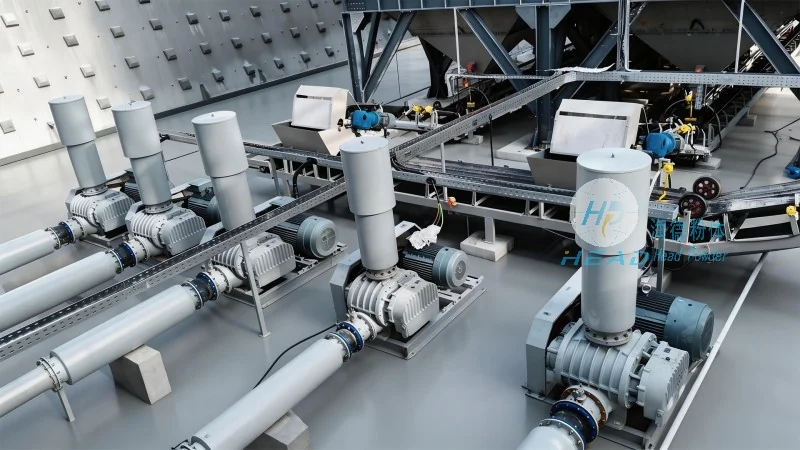
Modern denitrizer material handling conveyors are equipped with advanced control and monitoring systems to enhance operational efficiency and safety. These systems typically include sensors that monitor the material level in the hopper, the speed of the conveyor, and the pressure within the system. The data collected by these sensors is processed by a control unit, which can adjust the conveyor speed or feeding rate in real-time to maintain optimal material flow. Additionally, the systems may include alarms and safety interlocks to prevent overfilling or blockages, which can cause equipment damage or safety hazards. The control systems also allow for remote monitoring and diagnostics, enabling maintenance personnel to identify and address issues before they escalate. This proactive approach to maintenance helps to minimize downtime and ensure consistent performance of the conveyor system.
Integration with Flue Gas Treatment Processes
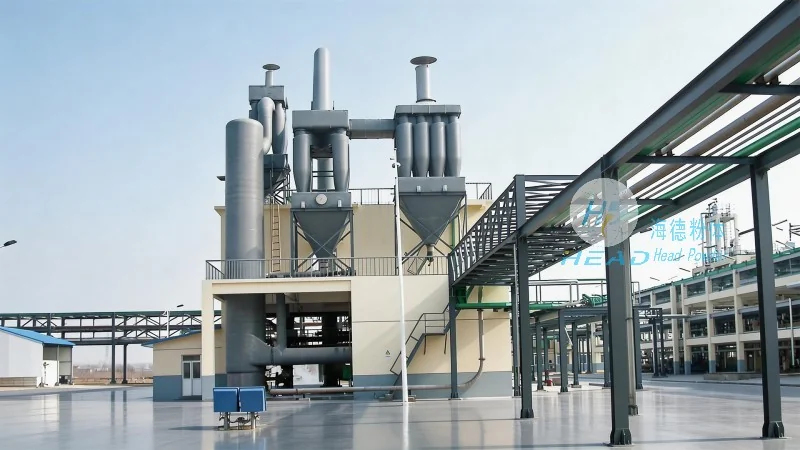
Denitrizer material handling conveyors are an integral part of the overall flue gas treatment process. The efficiency of the conveyor directly impacts the effectiveness of the denitrization process. If the denitrizer is not delivered to the combustion chamber or the reaction zone at the correct rate and consistency, the reduction of nitrogen oxides may be incomplete, leading to non-compliance with environmental regulations. Therefore, the design of the conveyor must be closely aligned with the requirements of the downstream process. This includes matching the conveyor's capacity to the required denitrizer feed rate, ensuring the material is evenly distributed, and maintaining a consistent temperature and moisture level. The integration also involves coordinating with other components of the flue gas treatment system, such as the spray dryer absorber or the selective catalytic reduction (SCR) system, to ensure that the denitrizer is delivered at the optimal time and location for maximum effectiveness.
Maintenance and Operational Best Practices
Proper maintenance and operational practices are crucial for the long-term performance and reliability of denitrizer material handling conveyors. Regular inspections should be conducted to check for signs of wear, blockages, or damage to the conveyor components. This includes inspecting the conveyor belt or screw for wear, checking the condition of the bearings and seals, and verifying the functionality of the control system. Cleaning the conveyor system regularly is also important to prevent the buildup of material on the surfaces, which can affect the flow and cause blockages. The use of appropriate lubricants and cleaning agents is essential to maintain the performance of the moving parts. Additionally, training operators on the proper operation and maintenance of the conveyor system is vital to ensure that the equipment is used correctly and that any issues are identified and addressed promptly. Following these best practices helps to extend the lifespan of the conveyor and minimize the risk of downtime or equipment failure.
Conclusion
Denitrizer material handling conveyors are sophisticated systems designed to efficiently transport denitrizer materials in industrial applications. The design principles behind these conveyors focus on minimizing material degradation, ensuring uniform flow, and maintaining safety and reliability. By considering the specific characteristics of denitrizer powders and integrating advanced control and monitoring systems, these conveyors can effectively support flue gas treatment processes and help industrial facilities meet environmental regulations. Proper maintenance and operational practices are essential to ensure the long-term performance and efficiency of the system. As industrial processes continue to evolve, the design and operation of denitrizer material handling conveyors will remain critical for optimizing environmental compliance and operational efficiency.




