

What is a Sponge Sand Material Handling System? What is its Design Principle?
HeadPowder, a leading engineering company based in Shandong, China, specializes in the design and manufacturing of advanced material handling systems. One of their key products is the sponge sand material handling system, which is engineered to efficiently transport and manage sand materials in various industrial applications.
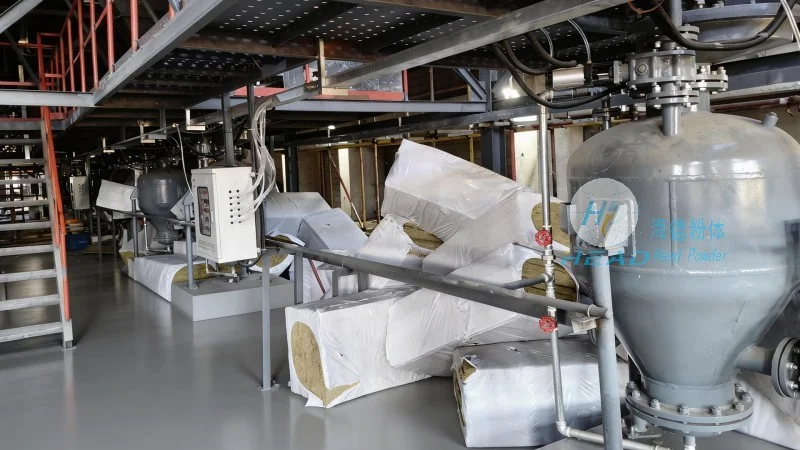
This system is specifically designed for handling sponge sand, a type of lightweight, porous sand used in construction and manufacturing processes. The equipment is built to ensure optimal performance, reliability, and safety in material transport operations.
Components and Structure of the Sponge Sand Material Handling System
The sponge sand material handling system consists of several key components that work together to facilitate smooth material transport. These components include a feeding mechanism, a conveyor system, a control unit, and a discharge mechanism. The feeding mechanism is responsible for introducing the sponge sand into the system, while the conveyor system transports the material to the desired location. The control unit manages the operation of the system, ensuring that it runs efficiently and safely. The discharge mechanism then releases the sand at the appropriate point.
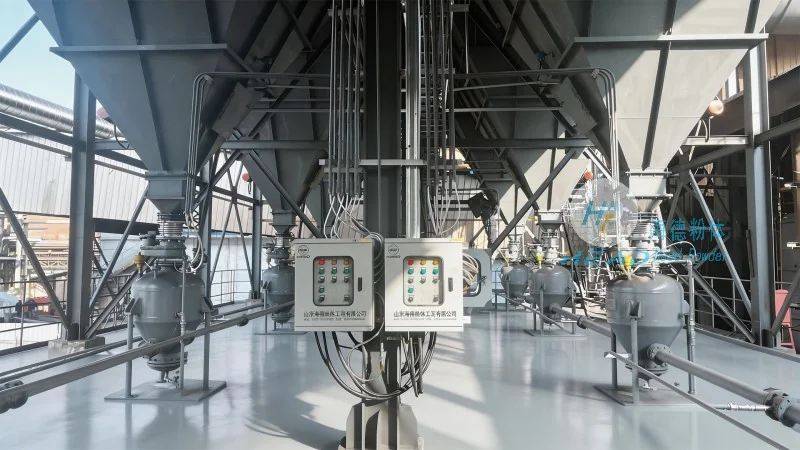
Each component is carefully designed to meet the specific requirements of sponge sand handling. The feeding mechanism is equipped with a hopper that can accommodate large quantities of sand, and it is fitted with a vibration or feeding device to ensure a consistent flow of material. The conveyor system uses a belt or chain mechanism to move the sand, and it is designed to handle the weight and texture of sponge sand without causing damage or degradation. The control unit is equipped with sensors and controls that monitor the system's performance and adjust its operation as needed. The discharge mechanism is designed to release the sand in a controlled manner, preventing spillage and ensuring that the material is delivered to the correct location.
Design Principle and Operational Mechanism
The design principle of the sponge sand material handling system is based on the need to efficiently transport and manage sand materials while minimizing energy consumption and maximizing productivity. The system is designed to be flexible and adaptable to different industrial applications, allowing it to be used in a variety of settings.
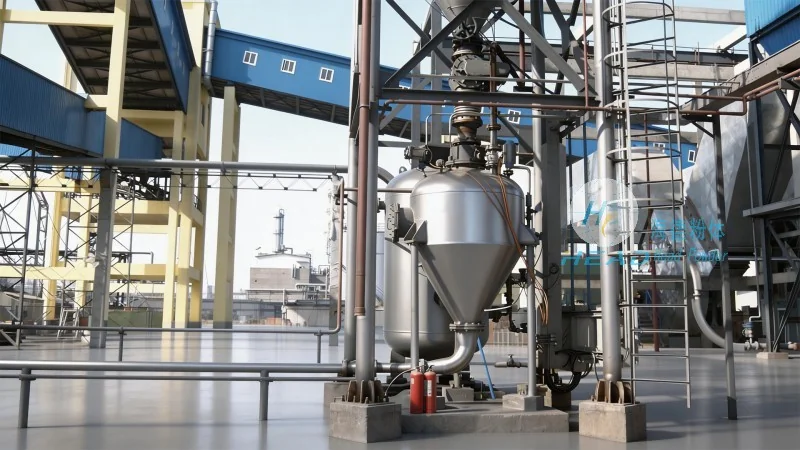
The operational mechanism of the system involves the following steps: first, the sponge sand is fed into the hopper of the feeding mechanism. Then, the material is transported by the conveyor system to the discharge point. The control unit monitors the system's operation and adjusts the speed of the conveyor and the flow of material as needed. Finally, the sand is discharged from the system at the appropriate location.
The system is designed to operate with minimal maintenance and downtime. The components are made of durable materials that can withstand the wear and tear of handling sponge sand, and the system is equipped with safety features to prevent accidents and injuries.
Applications and Benefits
The sponge sand material handling system is used in a variety of industrial applications, including construction, manufacturing, and mining. It is particularly useful in applications where large quantities of sand need to be transported over long distances or in challenging environments.
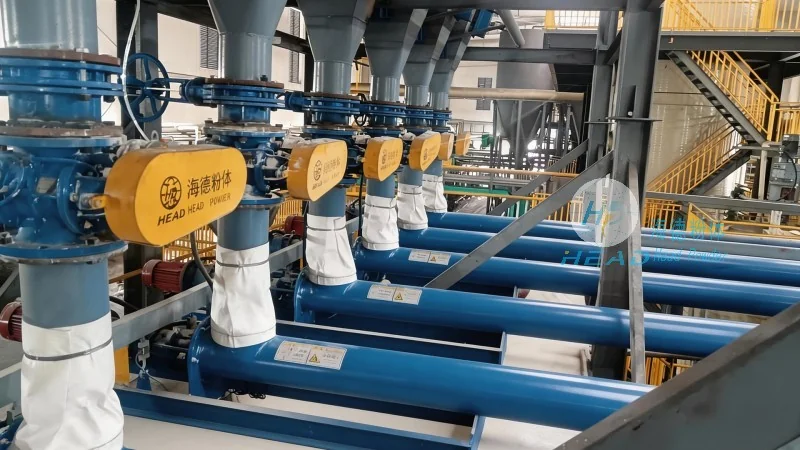
Some of the key benefits of using the sponge sand material handling system include increased efficiency, reduced labor costs, and improved safety. The system is designed to handle large quantities of sand quickly and efficiently, reducing the time and effort required to transport the material. It also reduces the risk of accidents and injuries by minimizing the need for manual handling of heavy or bulky materials.
Additionally, the system is designed to be energy-efficient, reducing the overall operating costs of the system. The components are optimized to use minimal energy while maintaining high performance, making it an environmentally friendly and cost-effective solution for material handling.