

What is a Dolomite Material Handling System? What Are Its Design Principles?
Dolomite, a calcium magnesium carbonate mineral, is widely used in various industrial applications including construction, manufacturing, and chemical processing. Efficient handling of dolomite is crucial for maintaining production efficiency and ensuring product quality. A dolomite material handling system is a specialized setup designed to transport, store, and manage dolomite from its source to the point of use. Such systems integrate various equipment and processes to optimize material flow, reduce downtime, and enhance overall operational performance.
Key Components of a Dolomite Material Handling System
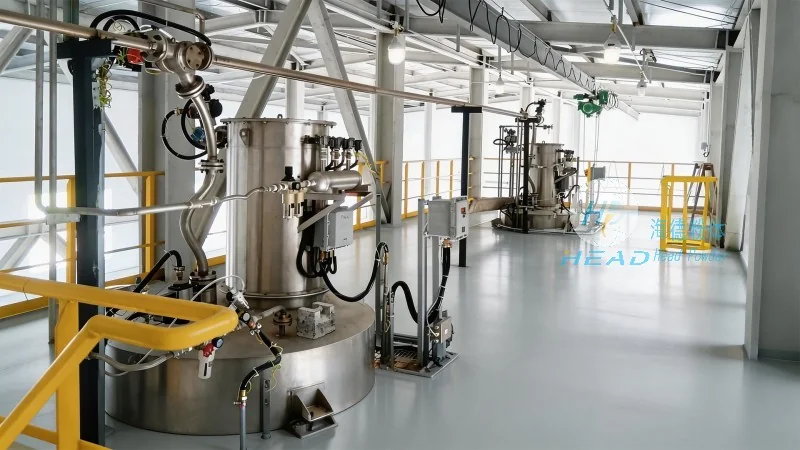
The core components of a dolomite material handling system typically include feeders, conveyors, storage silos, and processing units. Feeders, such as rotary or vibratory types, are used to regulate the flow of dolomite from storage bins or bulk containers. Conveyors, including belt, screw, or pneumatic systems, transport the material over longer distances or to different processing stages. Storage silos or hoppers are essential for bulk storage, allowing for controlled release of material as needed. Additionally, screening or crushing equipment may be integrated to prepare dolomite for specific applications, ensuring it meets required particle size specifications.
Design Principles for Efficient Dolomite Handling
Designing an effective dolomite material handling system involves several key principles aimed at maximizing efficiency and minimizing operational challenges. First, material flow continuity is critical; the system should be designed to minimize bottlenecks and ensure smooth material transfer from one stage to the next. This often requires careful consideration of the dolomite's physical properties, such as its bulk density, moisture content, and abrasiveness, which can affect equipment wear and performance. Second, space optimization is essential, especially in industrial settings where floor space is limited. Modular or compact designs can help accommodate the system within existing facilities while maintaining operational capacity. Third, safety and compliance are paramount. The system must adhere to relevant safety standards and regulations, incorporating features like dust suppression, proper ventilation, and emergency stop mechanisms to protect operators and the environment.
Application Scenarios and Industry Use Cases
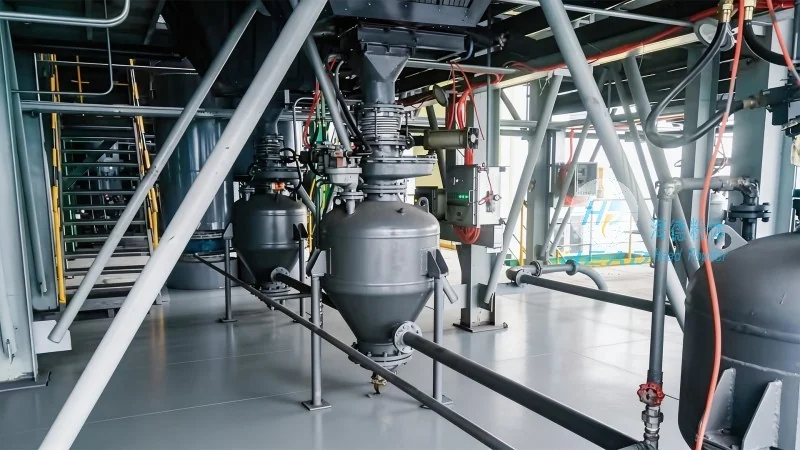
Dolomite material handling systems are employed across diverse industries where dolomite is a key raw material. In the construction industry, dolomite is used as a filler in cement and concrete, and efficient handling systems ensure consistent supply to production lines. In the manufacturing sector, particularly in the production of glass, ceramics, and refractory materials, dolomite is processed and transported to meet specific quality standards. The chemical industry also utilizes dolomite in the production of calcium compounds and other chemical products, where precise material handling is vital for maintaining product purity and reaction efficiency. Each application requires tailored system configurations to address unique processing requirements and material characteristics.
Technical Considerations and Maintenance Tips
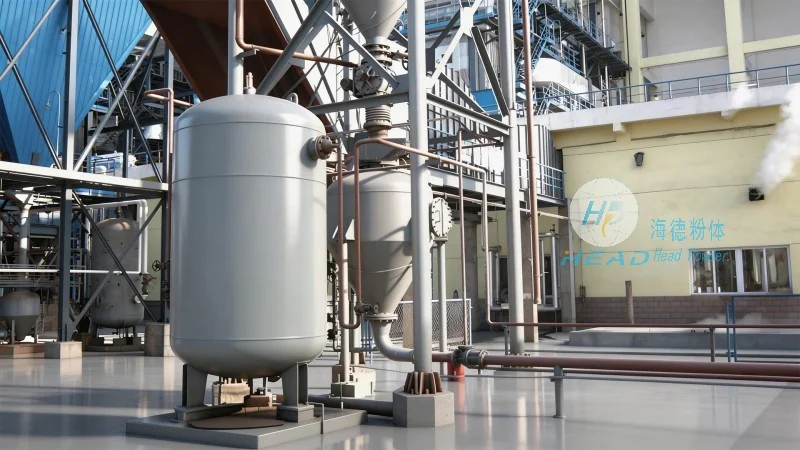
To ensure the longevity and reliability of a dolomite material handling system, several technical considerations and maintenance practices are essential. Abrasion resistance is a primary concern due to dolomite's hardness and potential for particle impact on equipment surfaces. Materials such as stainless steel, high-chrome alloys, or wear-resistant coatings are often used for components like conveyor belts, hoppers, and chutes to minimize wear and extend service life. Regular maintenance is crucial, including routine inspections of bearings, belts, and motor systems, as well as cleaning of dust and debris from equipment. Additionally, monitoring material flow rates and pressure differentials can help identify potential issues before they lead to system failures. Proper training for operators on system operation and safety protocols further enhances system performance and reduces the risk of accidents.
About HeadPowder Engineering Co., Ltd.
HeadPowder Engineering Co., Ltd., a leading provider of material handling solutions, specializes in designing and manufacturing systems tailored to the unique needs of industries handling minerals and bulk materials. With a focus on innovation and customer-centric solutions, HeadPowder leverages advanced engineering principles to develop efficient and reliable material handling systems. The company's expertise in handling challenging materials like dolomite ensures that clients receive systems that meet their operational demands while adhering to the highest standards of safety and performance. HeadPowder's commitment to quality and customer satisfaction has established it as a trusted partner in the material handling industry, serving clients across China and beyond.