

What is a Dry Soybean Powder Pneumatic Conveying System? Understanding Its Design Principles
For industrial operations dealing with dry soybean powders, the selection of an efficient and reliable material handling system is crucial. A pneumatic conveying system, specifically designed for dry soybean powder, offers a solution that combines performance, safety, and adaptability. This article explores the fundamental aspects of a dry soybean powder pneumatic conveying system, focusing on its design principles and the technology behind its operation.
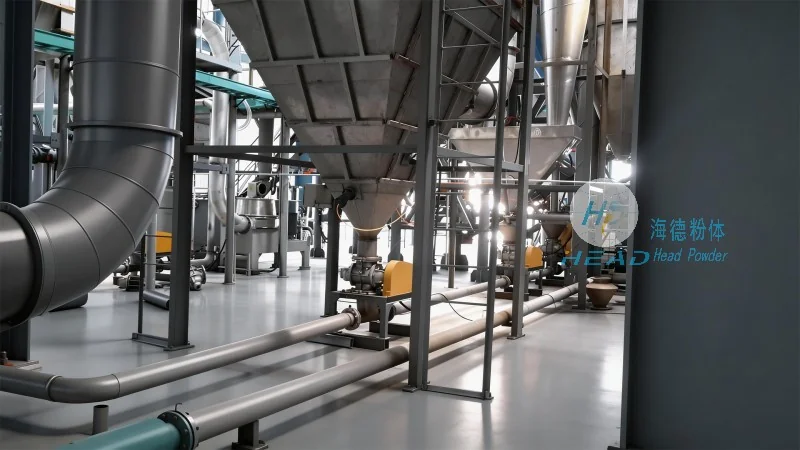
What is a Dry Soybean Powder Pneumatic Conveying System?
A dry soybean powder pneumatic conveying system is a type of bulk material handling equipment that uses compressed air or other gases to transport dry soybean powder from one location to another. Unlike traditional mechanical conveying methods, such as screw conveyors or belt conveyors, pneumatic systems rely on the force of air to move the material through a pipeline. This method is particularly advantageous for handling fine powders like soybean powder, which can be prone to caking, segregation, or dust generation when handled mechanically.
Key Design Principles of the System
The design of a dry soybean powder pneumatic conveying system is based on several critical principles to ensure optimal performance and efficiency. These principles include:
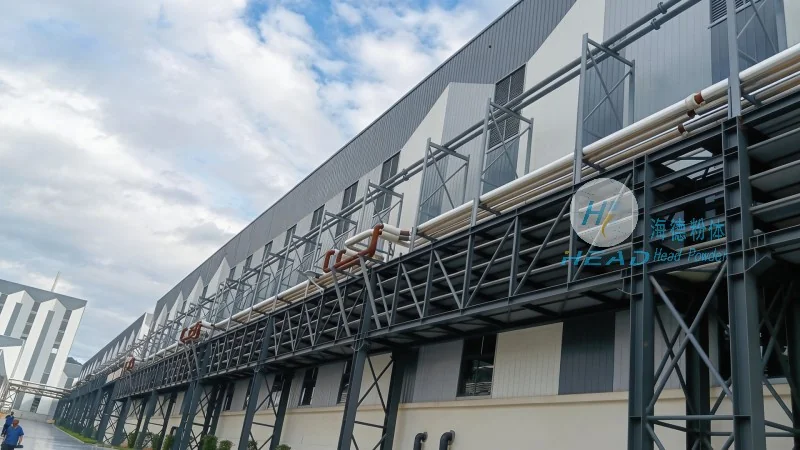
- Air Flow Management: The system must maintain a consistent and sufficient air flow rate to ensure the soybean powder is fully suspended and transported through the pipeline. Proper air flow prevents blockages and ensures uniform material movement.
- Pipeline Sizing and Configuration: The diameter and length of the conveying pipeline are carefully selected based on the material's properties, such as particle size, density, and moisture content. The configuration, including bends and vertical sections, is designed to minimize pressure drop and prevent material deposition.
- Material Handling Components: Key components like the feeder, air compressor, and receiver are engineered to handle the specific characteristics of soybean powder. The feeder ensures a steady feed rate, while the air compressor provides the necessary pressure to move the material. The receiver collects the conveyed powder and separates it from the air.
- Control and Monitoring Systems: Modern systems incorporate advanced control mechanisms to monitor pressure, flow rate, and material level. These systems help maintain optimal operation and detect any issues, such as blockages or pressure drops, in real-time.
How the System Works: A Step-by-Step Overview
The operation of a dry soybean powder pneumatic conveying system involves several stages, each contributing to the efficient transport of the material:
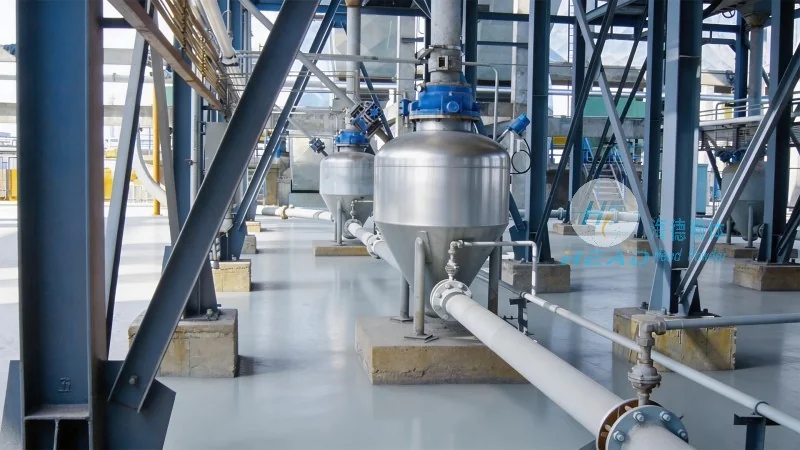
- Feeding: The dry soybean powder is fed into the system through a hopper or feeder. The feeder controls the flow rate, ensuring a consistent supply of material to the pipeline.
- Air Injection: Compressed air is introduced into the pipeline at the feeding point. The air velocity is sufficient to lift and suspend the soybean powder particles, creating a slurry of powder and air.
- Transport: The air-powder mixture travels through the pipeline, moving from the feeding point to the receiver. The pipeline's design, including bends and vertical sections, is optimized to minimize energy loss and prevent material settling.
- Separation and Collection: At the receiver, the air and powder mixture is separated. The powder is collected in the receiver, while the air is either vented or recycled back into the system. This separation process ensures that the soybean powder is delivered to its destination without contamination or loss.
Benefits of Using a Pneumatic Conveying System for Dry Soybean Powder
Implementing a pneumatic conveying system for dry soybean powder offers several advantages over traditional mechanical methods:
- Reduced Material Degradation: The system minimizes mechanical stress on the soybean powder, preserving its quality and preventing degradation due to friction or impact.
- Improved Safety and Hygiene: Pneumatic systems are enclosed, reducing dust emissions and providing a cleaner working environment. This is particularly important for food-grade materials like soybean powder.
- Space Efficiency: The system can be installed in compact spaces, as the pipeline can be routed along walls or ceilings, saving valuable floor space in industrial facilities.
- Flexibility and Scalability: The system can be easily adapted to different production requirements, with the ability to expand or reconfigure the pipeline as needed.
About Shandong HeadPowder Engineering Co., Ltd.
Shandong HeadPowder Engineering Co., Ltd., operating under the brand name headpowder, is a leading manufacturer and supplier of pneumatic conveying systems tailored for various bulk materials, including dry soybean powder. With a focus on innovation and customer satisfaction, the company designs and manufactures high-quality systems that meet the specific needs of the food processing industry. HeadPowder's expertise in material handling technology ensures that their systems are reliable, efficient, and compliant with industry standards. The company's headquarters is located in Shandong, China, where they leverage local resources and expertise to deliver cutting-edge solutions for bulk material transport.