

What is a Calcium Chloride Powder Pneumatic Conveying System? What is its Design Principle?
Calcium chloride is a widely used chemical compound in various industrial applications, and its efficient handling and transportation are crucial for maintaining production efficiency. The calcium chloride powder pneumatic conveying system is a specialized solution designed to transport calcium chloride powder from one location to another using air as the conveying medium. This system combines the advantages of pneumatic conveying technology with the specific requirements of calcium chloride powder, ensuring safe, reliable, and efficient material transport. In this article, we will explore the fundamentals of this system and delve into its design principles.
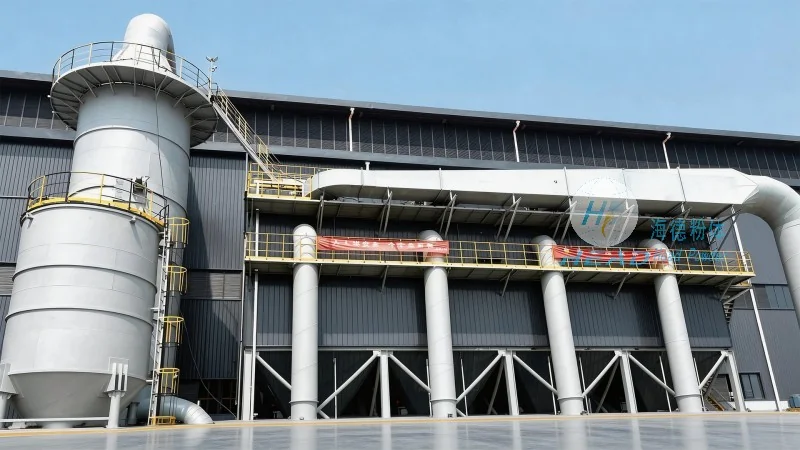
Understanding Calcium Chloride Powder and Its Handling Requirements
Calcium chloride (CaCl₂) is a hygroscopic salt that readily absorbs moisture from the air, which can affect its flowability and handling characteristics. When handling calcium chloride powder, it is essential to consider its physical properties, such as particle size distribution, bulk density, and moisture content. These factors influence the selection of the appropriate pneumatic conveying system to ensure smooth and consistent material transport. The system must be designed to prevent caking, blockages, and dust emissions, which are common challenges when dealing with hygroscopic powders like calcium chloride.
What is a Pneumatic Conveying System?
A pneumatic conveying system is a method of transporting bulk materials through a pipeline using air or other gases as the conveying medium. It operates by creating a pressure differential between the inlet and outlet of the system, which propels the material forward. Pneumatic conveying systems are widely used in industries such as chemicals, food processing, and pharmaceuticals due to their ability to handle a wide range of materials, including powders, granules, and fine particles. There are two main types of pneumatic conveying systems: positive pressure (or pressure) systems and negative pressure (or vacuum) systems. The choice between these systems depends on factors like material characteristics, distance, and system complexity.
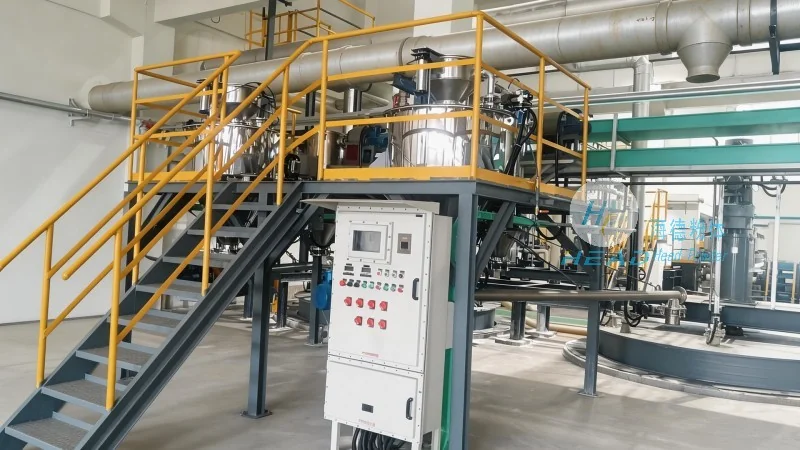
Key Components of a Calcium Chloride Powder Pneumatic Conveying System
The calcium chloride powder pneumatic conveying system typically consists of several key components that work together to ensure efficient material transport. These components include a hopper or feeder for material storage and discharge, a conveying line (usually made of stainless steel or other corrosion-resistant materials to handle calcium chloride's chemical properties), a blower or vacuum pump to generate the necessary air flow, and a control system to regulate the conveying process. The hopper is designed to prevent material bridging and ensure a consistent flow rate, while the conveying line is equipped with appropriate fittings and valves to control the air and material flow. The blower or vacuum pump provides the required pressure or vacuum to move the calcium chloride powder through the system. The control system monitors and adjusts the system parameters to maintain optimal conveying conditions, such as air velocity and material concentration.
Design Principles for Calcium Chloride Powder Pneumatic Conveying Systems
The design of a calcium chloride powder pneumatic conveying system involves several critical principles to ensure its effectiveness and reliability. The first principle is the selection of the appropriate conveying type based on the application requirements. For short-distance and low-capacity applications, a positive pressure system may be suitable, while a negative pressure system is often preferred for longer distances or when handling materials that are prone to dust generation. The second principle is the determination of the optimal air-to-solid ratio (air-to-material ratio), which is the ratio of the volume of air to the volume of material being conveyed. The air-to-solid ratio is crucial for maintaining the material in a suspended state and preventing blockages or clogging in the conveying line. The third principle is the selection of the correct conveying line diameter and length, as these factors directly impact the system's capacity and efficiency. The diameter of the line must be large enough to accommodate the material flow without excessive pressure drop, while the length must be optimized to minimize energy consumption and maintain material integrity. The fourth principle is the consideration of material properties, such as particle size, moisture content, and flowability, as these factors influence the system's design and performance. For example, calcium chloride's hygroscopic nature requires the use of corrosion-resistant materials and proper moisture control measures to prevent material degradation and system corrosion.
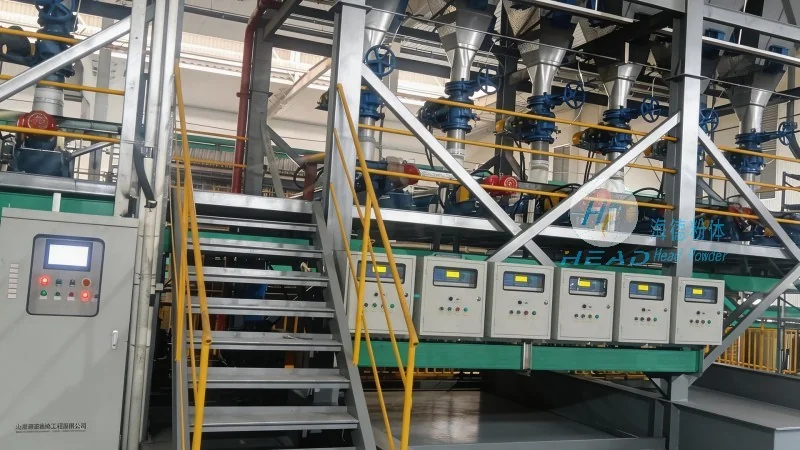
Advantages of Using a Calcium Chloride Powder Pneumatic Conveying System
Implementing a calcium chloride powder pneumatic conveying system offers several advantages over traditional methods like belt conveyors or bucket elevators. One of the primary advantages is the ability to transport materials in a closed system, which reduces dust emissions and improves workplace safety. This is particularly important when handling calcium chloride, as it can be irritating to the respiratory system if inhaled. Another advantage is the flexibility of the system, as it can be easily integrated with existing production lines and adapted to changing production requirements. The system also provides a high degree of control over the material flow, allowing for precise dosing and regulation of the conveying rate. Additionally, pneumatic conveying systems can handle materials with varying particle sizes and moisture content, making them suitable for a wide range of applications. The energy efficiency of the system, especially when optimized for the specific material and application, can lead to cost savings over time.
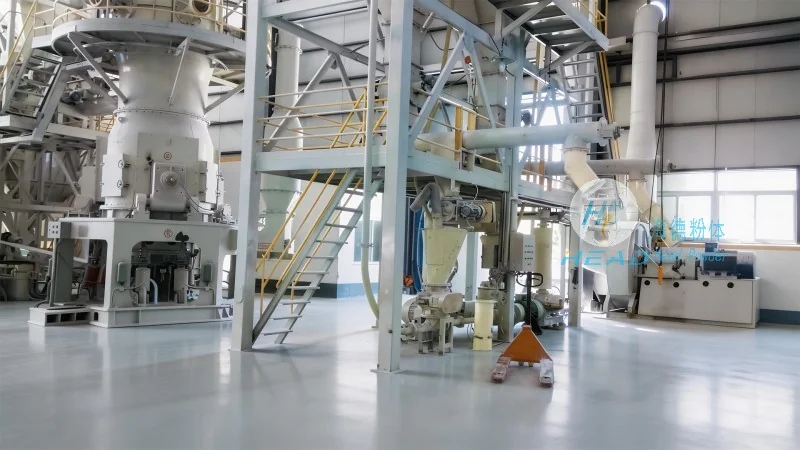
Considerations for System Maintenance and Safety
Proper maintenance and safety measures are essential for the long-term operation of a calcium chloride powder pneumatic conveying system. Regular inspection and cleaning of the conveying line and components are necessary to prevent clogging and maintain system efficiency. The use of corrosion-resistant materials, such as stainless steel, is critical to ensure the system's durability and longevity, especially when handling calcium chloride's corrosive properties. Safety measures, such as dust collection systems and proper ventilation, should be implemented to protect workers from exposure to calcium chloride dust. Additionally, the system should be equipped with emergency shut-off valves and pressure relief devices to prevent accidents and ensure safe operation. Regular maintenance schedules and training for operators on system operation and safety protocols are also important to ensure the system's reliable and safe performance.
Conclusion
The calcium chloride powder pneumatic conveying system is a highly effective and efficient solution for transporting calcium chloride powder in industrial applications. By understanding the design principles and components of this system, as well as the specific handling requirements of calcium chloride, manufacturers can optimize their material transport processes and improve overall production efficiency. The system's ability to handle hygroscopic materials, reduce dust emissions, and provide precise control over material flow makes it a valuable asset in various industries. With proper design, maintenance, and safety measures, the calcium chloride powder pneumatic conveying system can provide reliable and long-lasting performance, contributing to the success of industrial operations.