

What is Denitration Urea Powder Pneumatic Conveying Equipment? And What Are Its Design Principles?
Denitration urea, also known as urea with denitrification function, is a critical chemical used in industrial processes, particularly in flue gas denitrification systems. The efficient handling and transportation of this powder are essential for maintaining the performance and reliability of the overall system. This article explores the concept of denitration urea powder pneumatic conveying equipment, detailing its design principles and operational aspects.
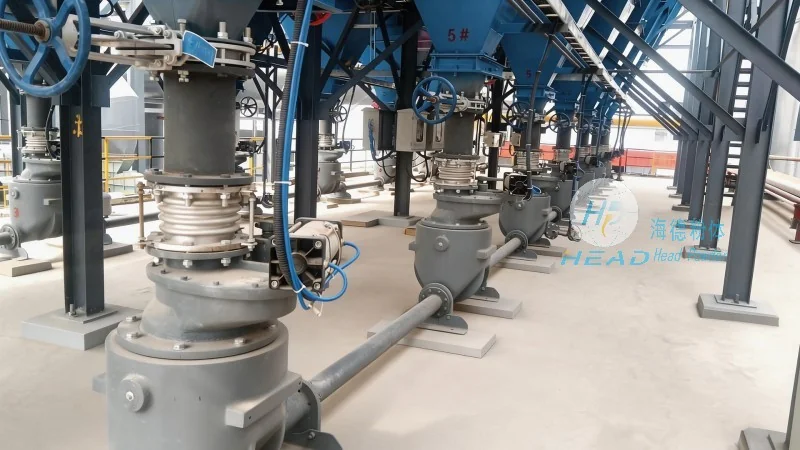
Introduction to Denitration Urea Powder Pneumatic Conveying Equipment
Denitration urea powder pneumatic conveying equipment is a specialized system designed to transport denitration urea, a fine powder, from storage silos or bulk containers to the injection points in flue gas denitrification units. The equipment utilizes pneumatic conveying technology, which involves the movement of powder particles through a pipeline using compressed air or other gas as the conveying medium. This method is preferred for its ability to handle delicate powders like denitration urea without causing degradation or agglomeration, ensuring consistent performance in the denitrification process.
Key Components and Design Principles
The design of denitration urea powder pneumatic conveying equipment is based on several fundamental principles to ensure efficient and reliable operation. The core components typically include a storage hopper, a feeder system, a conveying pipeline, and a control system. The storage hopper is designed to hold the denitration urea powder in a controlled environment, preventing moisture absorption and maintaining the powder's quality. The feeder system, often a rotary valve or a screw feeder, regulates the flow of powder into the conveying pipeline, ensuring a consistent feed rate. The conveying pipeline is made of materials resistant to chemical corrosion, such as stainless steel, to withstand the effects of urea and other chemicals. The control system monitors and adjusts the air pressure, flow rate, and powder feed rate to maintain optimal conveying conditions.
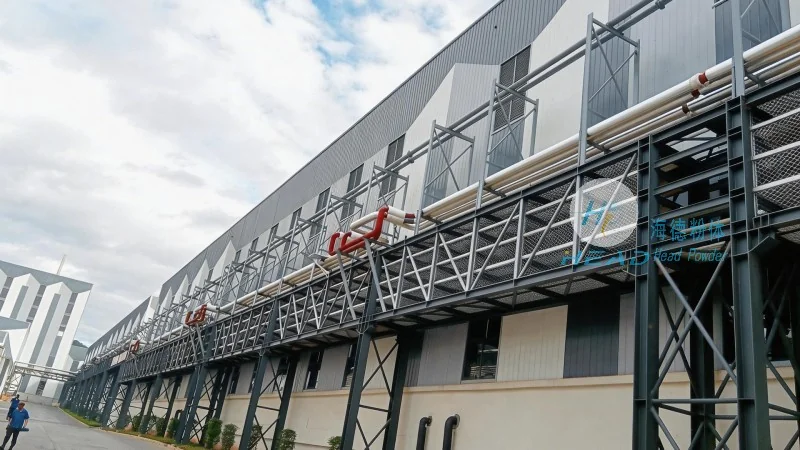
How Pneumatic Conveying Works in Denitration Urea Systems
In pneumatic conveying, the denitration urea powder is suspended in the air stream and transported through the pipeline. The equipment operates under either positive pressure (pressure conveying) or negative pressure (vacuum conveying). Positive pressure systems use a blower to generate air pressure that pushes the powder through the pipeline, while negative pressure systems use a vacuum pump to draw the powder into the pipeline. The choice between these systems depends on factors such as the distance of transportation, the amount of powder to be conveyed, and the need to minimize dust emissions. For denitration urea, positive pressure systems are commonly used due to their ability to handle larger quantities and maintain consistent flow rates.
Advantages of Using Pneumatic Conveying for Denitration Urea
Implementing pneumatic conveying for denitration urea offers several advantages over traditional methods like bucket elevators or belt conveyors. One of the primary benefits is the reduction in dust generation, which improves workplace safety and environmental compliance. Pneumatic systems also allow for the transportation of powders over longer distances without the need for intermediate storage or transfer points. Additionally, the enclosed pipeline system prevents contamination from external sources and maintains the purity of the denitration urea, which is crucial for effective flue gas denitrification. The flexibility of pneumatic conveying systems also enables easy integration with existing industrial processes, making them a cost-effective solution for upgrading or expanding denitrification facilities.
Design Considerations for Optimal Performance
To ensure the optimal performance of denitration urea powder pneumatic conveying equipment, several design considerations must be addressed. First, the material selection for the equipment components is critical. Stainless steel is commonly used for the hopper, feeder, and pipeline due to its resistance to corrosion from urea and other chemicals. The design of the hopper and feeder must prevent material bridging or caking, which can disrupt the flow of powder. This is often achieved through the use of special hopper designs, such as conical hoppers with agitators or vibrators, to break up any agglomerates. The pipeline system must be designed with smooth transitions and minimal bends to reduce pressure losses and prevent powder deposition. Additionally, the control system must be equipped with sensors to monitor parameters like air pressure, flow rate, and powder level, allowing for real-time adjustments to maintain stable operation.
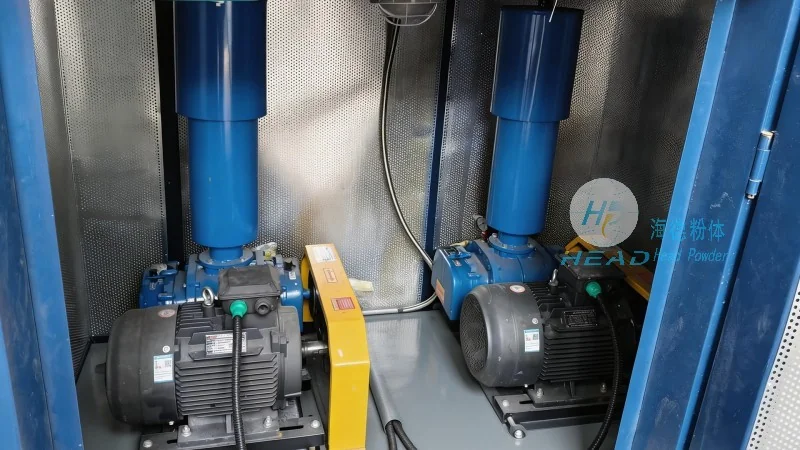
Applications and Industry Impact
Denitration urea powder pneumatic conveying equipment is widely used in power plants, industrial boilers, and other facilities that employ flue gas denitrification systems. The equipment plays a vital role in ensuring that denitration urea is delivered to the injection points in a controlled manner, which is essential for achieving the desired levels of nitrogen oxide reduction. The reliability and efficiency of the conveying system directly impact the overall performance of the denitrification process, making it a critical component in modern industrial operations. As environmental regulations become more stringent, the demand for effective and efficient denitration systems continues to grow, driving the need for advanced pneumatic conveying solutions.
Conclusion
Denitration urea powder pneumatic conveying equipment is a sophisticated system designed to handle the unique challenges of transporting denitration urea, a fine and sensitive powder. By leveraging pneumatic conveying technology, the equipment ensures efficient, dust-free, and reliable transportation of the chemical, which is essential for the performance of flue gas denitrification systems. The design principles, including material selection, component integration, and control systems, are tailored to meet the specific requirements of denitration urea, ensuring optimal operation and longevity. As industrial facilities strive to meet environmental standards and improve operational efficiency, the use of such advanced conveying equipment becomes increasingly important. Shandong HeadPowder Engineering Co., Ltd., a leading provider in this field, specializes in designing and manufacturing high-quality denitration urea powder pneumatic conveying systems that meet the needs of modern industrial applications.