

What is a Powdered Mortar Powder Pneumatic Conveying Equipment? And What Are Its Design Principles?
For professionals in the construction and material handling sectors, understanding the technology behind efficient powder transport is crucial. A powdered mortar powder pneumatic conveying equipment is a specialized system designed to move dry powder materials, such as those used in mortar production, through a pipeline using air pressure. This equipment is essential for maintaining the quality and consistency of powdered materials while ensuring safe and efficient operation in industrial settings.
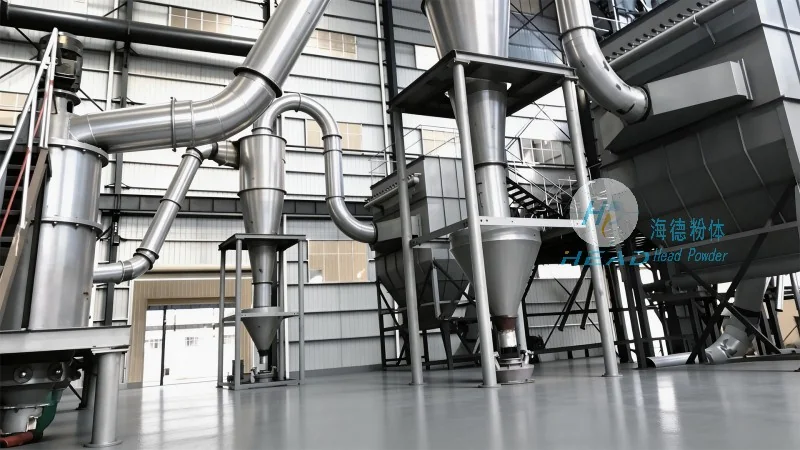
Introduction to Powdered Mortar Pneumatic Conveying Equipment
Pneumatic conveying systems have become a cornerstone in the processing of dry powders, particularly in the production of powdered mortars. These systems utilize the principles of fluid dynamics to transport bulk materials without the need for mechanical components like belts or buckets. The equipment typically consists of a hopper, a blower or compressor, a pipeline network, and a receiver, all working in tandem to move the powder from one location to another. The design of such equipment is tailored to handle the specific characteristics of powdered mortar, including its particle size, moisture content, and flowability.
Understanding the Core Function of Pneumatic Conveying Systems for Powdered Mortar
The primary function of a powdered mortar pneumatic conveying system is to transport dry powder materials over varying distances with minimal degradation. Unlike traditional methods like bucket elevators or screw conveyors, pneumatic systems offer advantages such as reduced product contamination, lower maintenance requirements, and the ability to handle a wide range of powder types. The system operates by creating a pressure differential between the hopper and the receiver, where air is introduced to lift and propel the powder particles through the pipeline. This process ensures that the powder remains in a dry, free-flowing state, which is critical for maintaining its quality and usability in construction applications.
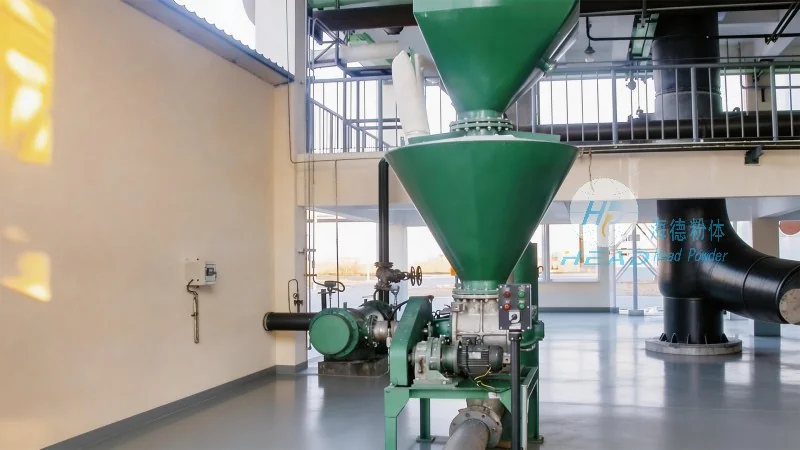
Design Principles Underlying Pneumatic Conveying Equipment
The design of a pneumatic conveying system for powdered mortar is guided by several key principles to ensure optimal performance. First, the system must be capable of handling the specific particle size distribution of the mortar powder, which often ranges from fine to medium particles. The pipeline diameter and air velocity are carefully selected to prevent particle segregation and ensure uniform flow. Second, the equipment must maintain a consistent air pressure and flow rate to avoid clogging or excessive energy consumption. This is achieved through the use of high-efficiency blowers and pressure regulators that can adapt to varying load conditions. Third, the system incorporates features to minimize dust emissions and ensure environmental compliance, such as dust collection systems and sealed pipeline connections.
Key Components and Their Roles in the System
Several critical components make up a pneumatic conveying system for powdered mortar. The hopper serves as the storage and feeding unit, where the powder is loaded and fed into the system. The blower or compressor provides the necessary air pressure to move the powder through the pipeline. The pipeline network, typically made of stainless steel or other corrosion-resistant materials, ensures the powder is transported efficiently without degradation. The receiver, or discharge hopper, collects the powder at the destination, often equipped with a discharge valve to control the flow. Additionally, the system may include accessories like filters, cyclones, and pressure relief valves to enhance performance and safety.
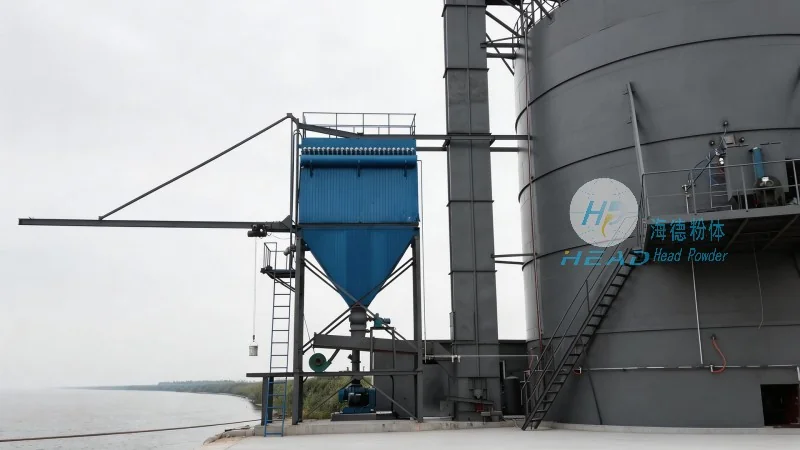
Practical Applications and Benefits in the Construction Industry
Powdered mortar pneumatic conveying equipment finds extensive use in the construction industry, particularly in the production of dry-mix mortars and other building materials. The system enables manufacturers to transport large quantities of powder from storage silos to production lines or from production facilities to storage or shipping points. The benefits of using such equipment include improved production efficiency, reduced labor costs, and enhanced product quality. By maintaining the powder in a dry state, the system prevents caking or clumping, which can affect the performance of the mortar. Furthermore, the sealed pipeline design minimizes dust exposure, creating a safer working environment for personnel and reducing the risk of product contamination.
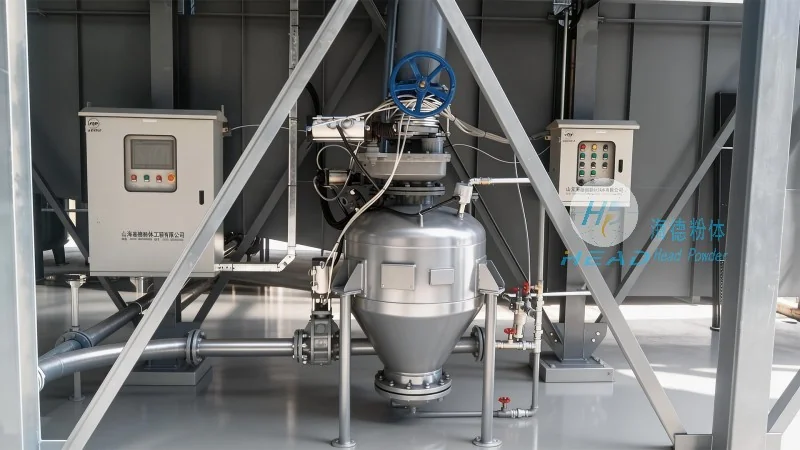
About Shandong HeadPowder Engineering Co., Ltd.
Shandong HeadPowder Engineering Co., Ltd., commonly known as HeadPowder, is a leading manufacturer and supplier of pneumatic conveying equipment for the construction and material handling industries. With a strong focus on innovation and quality, HeadPowder has established itself as a trusted partner for businesses seeking reliable and efficient powder transport solutions. The company's products are designed to meet the specific needs of the industry, incorporating advanced technology and robust construction to ensure long-term performance and durability. HeadPowder's commitment to customer satisfaction and technical excellence has made it a preferred choice for companies operating in the powdered mortar and related sectors.
Contact Information and Location
HeadPowder is located in Shandong, China, providing a strategic base for serving both domestic and international markets. The company's facilities are equipped with state-of-the-art manufacturing equipment and a team of experienced engineers and technicians who specialize in the design and production of pneumatic conveying systems. For inquiries or further information about their products and services, interested parties can contact HeadPowder directly. The company's dedication to providing high-quality solutions and excellent customer service has earned it a reputation as a leading provider in the industry.