

What is a Pyrolytic Carbon Powder Pneumatic Conveying System? And What Are Its Design Principles?
Pyrolytic carbon powder pneumatic conveying systems are specialized industrial equipment designed to transport fine powders, such as pyrolytic carbon, through a pressurized air stream. These systems are crucial in various industries, including chemical processing, pharmaceuticals, and materials science, where the efficient and safe handling of sensitive powders is essential. This article explores the fundamental concepts of these systems and delves into their design principles to provide a comprehensive understanding for professionals in the field.
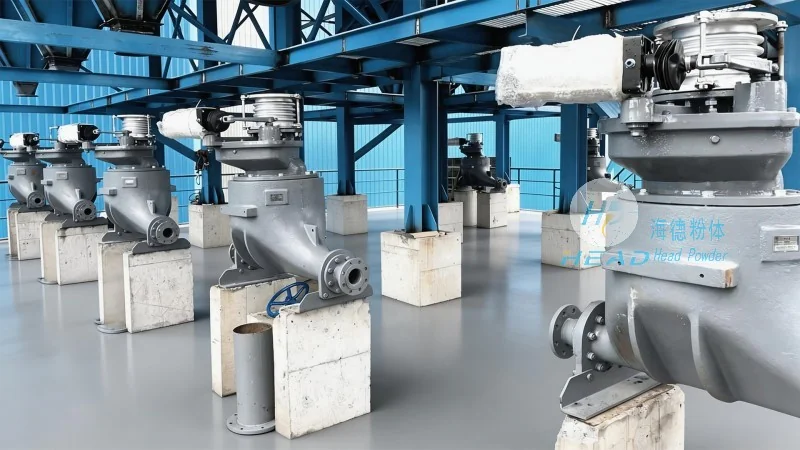
Understanding Pyrolytic Carbon Powder Pneumatic Conveying Systems
At the core of pyrolytic carbon powder pneumatic conveying systems is the ability to move fine, often abrasive, powders over long distances without the need for mechanical components like conveyors or belts. The system operates by creating a high-pressure air flow that entrains the powder particles, transporting them from a source to a destination. This method is particularly advantageous for materials that are difficult to handle due to their properties, such as pyrolytic carbon, which is known for its high purity and unique physical characteristics.
The Role of Pyrolytic Carbon in Industrial Applications
Pyrolytic carbon, also known as graphitic carbon, is a material produced through the thermal decomposition of hydrocarbon gases at high temperatures. It is valued for its excellent electrical conductivity, chemical stability, and resistance to corrosion. In industrial settings, pyrolytic carbon powders are used in applications ranging from battery electrodes to industrial coatings. The pneumatic conveying system ensures that these powders are transported without contamination or degradation, maintaining their high-quality attributes throughout the process.
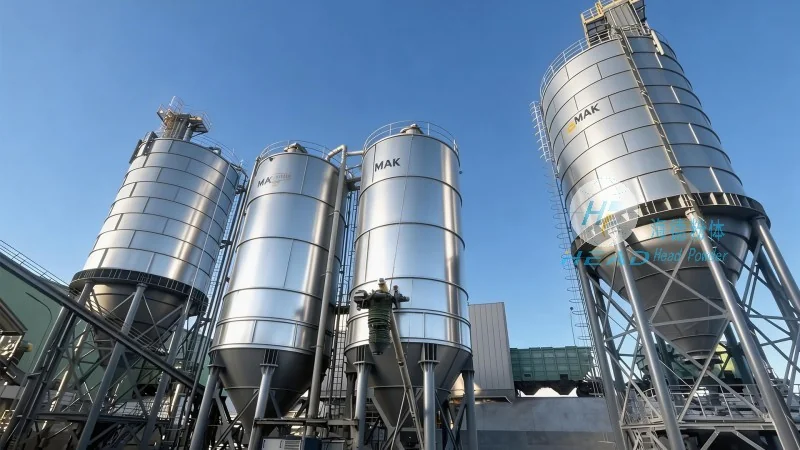
Key Components of a Pyrolytic Carbon Powder Pneumatic Conveying System
Several critical components work together to ensure the efficient operation of a pyrolytic carbon powder pneumatic conveying system. These include the air compressor, which generates the necessary pressure to move the powder; the hopper or feeder, which stores and dispenses the powder; the conveying line, which transports the powder-air mixture; and the receiver or destination vessel, where the powder is deposited. Each component must be carefully selected and designed to handle the specific properties of pyrolytic carbon, such as its fine particle size and potential for static charge accumulation.
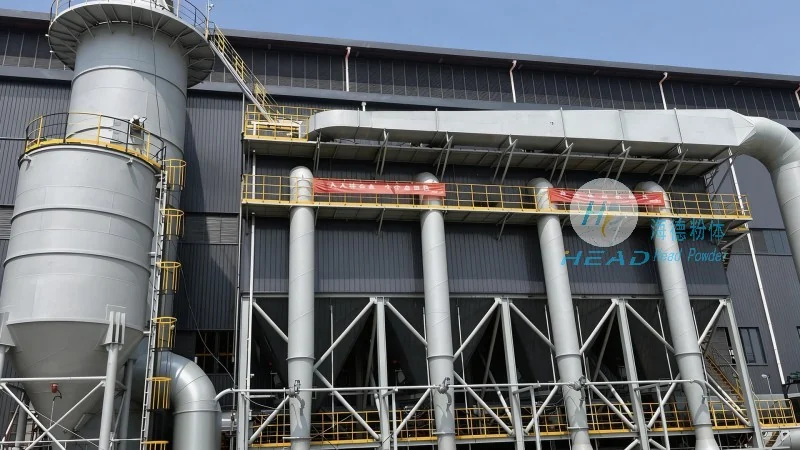
Design Principles for Optimal Performance
The design of a pyrolytic carbon powder pneumatic conveying system is guided by several key principles to ensure reliability, efficiency, and safety. One of the primary principles is maintaining a consistent air pressure and flow rate to prevent particle segregation or clogging. The system must also be designed to minimize the risk of dust explosions, which is a critical safety consideration when handling powders. Additionally, the materials used in the construction of the system, such as stainless steel or specialized coatings, must be resistant to the corrosive and abrasive nature of pyrolytic carbon.
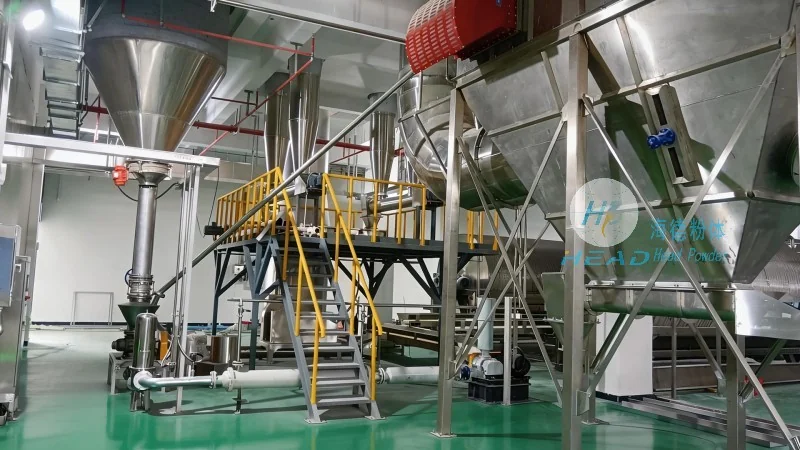
HeadPowder's Expertise in Pyrolytic Carbon Powder Pneumatic Conveying Systems
Shandong HeadPowder Engineering Co., Ltd., a leading manufacturer in the field, specializes in the design and production of high-quality pyrolytic carbon powder pneumatic conveying systems. With years of experience and a deep understanding of the material's properties, HeadPowder has developed systems that meet the stringent requirements of various industries. The company's commitment to quality and innovation ensures that their products are reliable, efficient, and tailored to the specific needs of their clients. Based in Shandong, China, HeadPowder leverages its local expertise and resources to deliver cutting-edge solutions for powder handling challenges.
Conclusion: The Importance of Proper Design and Implementation
In conclusion, pyrolytic carbon powder pneumatic conveying systems are essential equipment for industries that rely on the efficient and safe handling of fine powders. The design principles, which prioritize material properties, system reliability, and safety, are crucial for achieving optimal performance. Companies like Shandong HeadPowder Engineering Co., Ltd. play a vital role in providing these specialized systems, ensuring that industries can maintain the quality and integrity of their materials throughout the conveying process. By understanding the fundamental concepts and design principles of these systems, professionals can make informed decisions to enhance their operational efficiency and safety.