

What is an Alumina Hydroxide Powder Pneumatic Conveying System? And What Are Its Design Principles?
Alumina hydroxide, also known as aluminum hydroxide, is a widely used chemical compound in various industrial applications. When it comes to handling and transporting this powder material, specialized equipment is essential to ensure efficiency, safety, and reliability. The pneumatic conveying system for alumina hydroxide powder is a critical component in many production lines, and understanding its design principles is crucial for optimizing performance.
Introduction to Alumina Hydroxide Powder Pneumatic Conveying
Alumina hydroxide powder is a fine, white powder with a high specific gravity and certain flow characteristics. Due to its properties, traditional bulk material handling methods like belt conveyors or bucket elevators may not be suitable for its transportation. Pneumatic conveying systems offer a solution by using air to transport the powder through a pipeline network. This method is particularly effective for handling powders that are dusty, abrasive, or require a closed system to prevent contamination or environmental issues.
Key Components of a Pneumatic Conveying System for Alumina Hydroxide
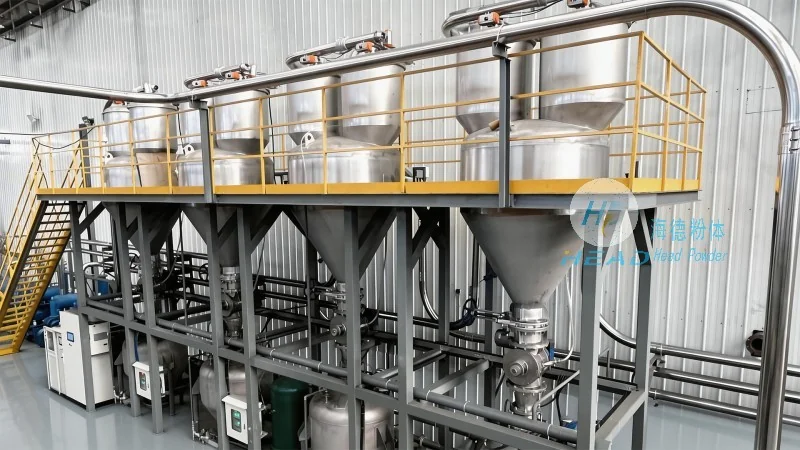
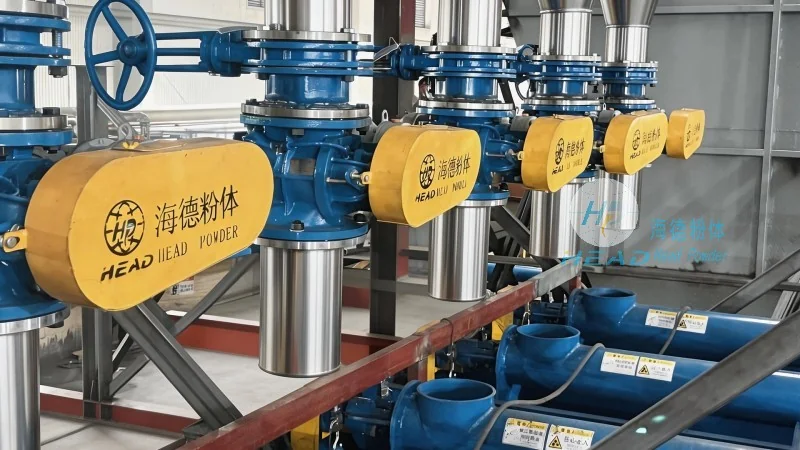
The pneumatic conveying system for alumina hydroxide powder typically consists of several key components. These include a material feed hopper, a rotary airlock valve, a conveying line (often with multiple sections), a dust collector or filter system, and a discharge outlet. The feed hopper is designed to store the alumina hydroxide powder and regulate the flow into the system. The rotary airlock valve acts as a seal to prevent air leakage and ensure a controlled discharge of the material into the conveying line.
The conveying line is usually made of stainless steel or other corrosion-resistant materials to handle the abrasive nature of the powder. It may include sections with different diameters or bends, which are carefully designed to minimize pressure losses and maintain the flow of the powder-air mixture. The dust collector or filter system is essential to capture any fine particles that may escape during the conveying process, ensuring compliance with environmental regulations and maintaining a clean working environment.
Design Principles for Efficient Pneumatic Conveying
The design of an alumina hydroxide powder pneumatic conveying system follows several fundamental principles to ensure optimal performance. The first principle is the selection of the appropriate conveying velocity. The velocity must be high enough to keep the powder particles suspended in the air stream but not so high as to cause excessive wear on the system components or generate too much dust. This velocity is often determined by the particle size, density, and flowability of the alumina hydroxide powder.
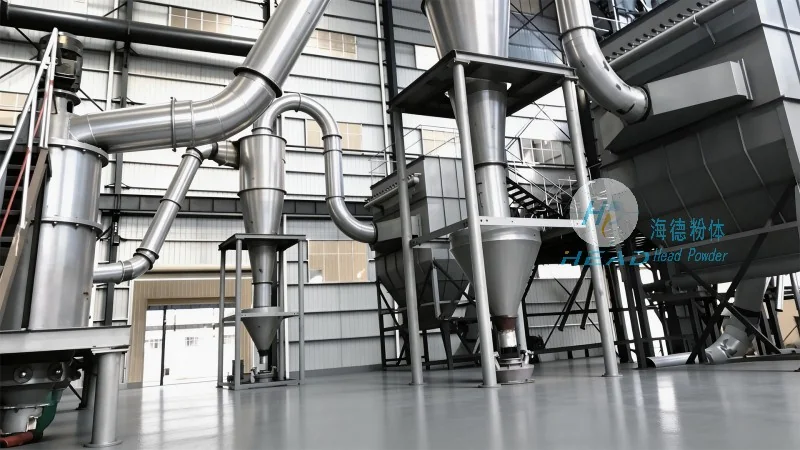
Another critical design principle is the system's pressure drop. The pressure drop across the conveying line and components must be minimized to reduce energy consumption and prevent the need for excessive air pressure. This involves optimizing the pipe diameter, length, and bends, as well as selecting efficient components like rotary airlocks and filters. The system's capacity is also a key consideration, as it must be able to handle the required flow rate of alumina hydroxide powder without causing blockages or inefficiencies.
Benefits of Using a Pneumatic Conveying System for Alumina Hydroxide
Implementing a pneumatic conveying system for alumina hydroxide powder offers several advantages over traditional handling methods. One of the primary benefits is the ability to transport the powder in a closed system, which prevents dust emissions and protects the environment. This is particularly important for alumina hydroxide, which can be a respiratory irritant if inhaled. The closed system also helps maintain the purity of the powder, preventing contamination from external sources.
Another benefit is the improved safety and operational efficiency. Pneumatic conveying systems eliminate the need for manual handling of the powder, reducing the risk of accidents and exposure to the material. They also provide a more consistent and controlled flow of the powder, which can improve the performance of downstream processes. Additionally, the system's design allows for easy integration with other equipment, such as mixing or drying units, to form a complete production line.
Application Examples in Industrial Settings
The pneumatic conveying system for alumina hydroxide powder is widely used in various industrial applications. For example, in the chemical industry, it is used to transport the powder from storage silos to reactors or processing units. In the pharmaceutical industry, it is employed to handle the powder in a sterile environment, ensuring that the product remains free from contamination. In the food industry, it may be used to transport the powder as an ingredient in food products, where a clean and hygienic system is essential.
In the manufacturing of alumina hydroxide-based products, such as ceramics or refractory materials, the pneumatic conveying system is crucial for moving the powder from grinding or mixing equipment to the next stage of production. The system's ability to handle large volumes of powder efficiently makes it an ideal choice for high-throughput production lines.
Conclusion and Company Overview
Understanding the design principles of a pneumatic conveying system for alumina hydroxide powder is essential for optimizing its performance and ensuring its effectiveness in industrial applications. The system's components and design must be carefully selected and configured to handle the specific properties of the powder, such as its particle size, density, and flowability. By doing so, manufacturers can achieve efficient, safe, and reliable transportation of the material, leading to improved productivity and reduced operational costs.
Shandong HeadPowder Engineering Co., Ltd., a leading provider of powder handling solutions, specializes in designing and manufacturing pneumatic conveying systems tailored to the needs of various industries. With years of experience and a commitment to quality, the company offers customized solutions that meet the specific requirements of its clients. HeadPowder's expertise in powder technology ensures that the systems are designed to maximize efficiency, minimize maintenance, and provide long-term reliability. Based in Shandong, China, the company serves a global market, delivering high-quality equipment that helps businesses improve their production processes and achieve their operational goals.