PTA (Polyethylene Terephthalate Acid) powder is a critical raw material in the production of polyester fibers and resins. The efficient handling and transportation of PTA powder from storage to processing units is essential for maintaining production efficiency and product quality. Pneumatic conveying systems have emerged as a preferred solution for this application due to their ability to transport powders in a dust-free, controlled manner. This article explores the concept of PTA powder pneumatic conveying and delves into the fundamental design principles that underpin such systems.
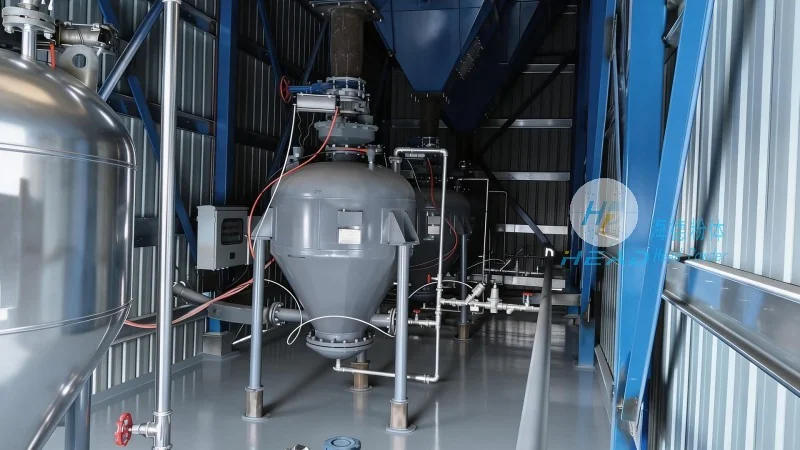
Understanding PTA Powder Pneumatic Conveying
Pneumatic conveying, or pneumatic transport, is a method of moving bulk materials, such as powders, through a pipeline using air or gas as the conveying medium. In the context of PTA powder, this technology is used to transfer the material from silos, hoppers, or storage vessels to processing equipment like reactors or extruders. The primary advantage of pneumatic conveying for PTA powder is its ability to minimize dust generation, which is crucial for maintaining a clean and safe working environment in industrial settings. Additionally, it offers flexibility in system layout, allowing for horizontal, vertical, or mixed conveying paths, depending on the plant layout and operational requirements.
Key Components of PTA Powder Pneumatic Conveying Systems
A typical PTA powder pneumatic conveying system consists of several key components that work in tandem to ensure efficient material transport. These components include the material feed device, the conveying line (pipeline), the air supply system (blowers or compressors), and the control valves. The material feed device, often a rotary valve or a star feeder, regulates the flow of PTA powder into the conveying line, preventing blockages and ensuring a consistent feed rate. The conveying line, usually made of stainless steel or other corrosion-resistant materials, is designed to withstand the abrasive nature of PTA powder and the pressure differentials involved in the conveying process. The air supply system provides the necessary pressure and volume of air to move the powder through the pipeline, with blowers or compressors selected based on the system's capacity and the specific characteristics of the PTA powder, such as particle size and density. Control valves, including check valves and flow control valves, are used to regulate the air flow and prevent backflow, ensuring the system operates smoothly and safely.
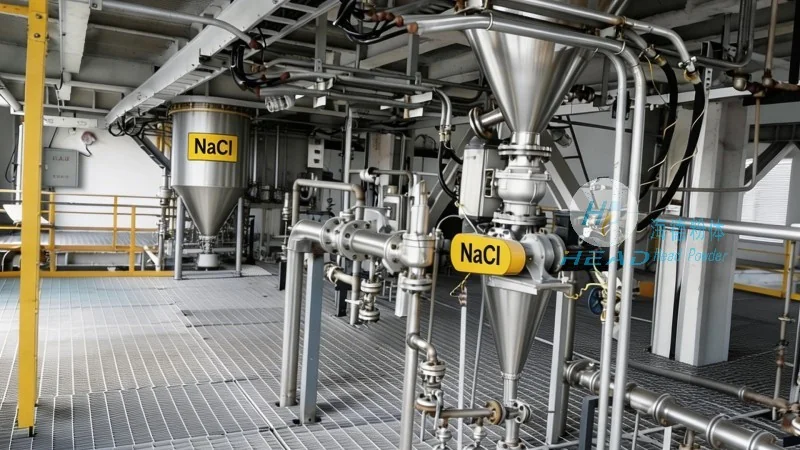
Design Principles for PTA Powder Pneumatic Conveying
The design of a PTA powder pneumatic conveying system is governed by several critical principles that ensure optimal performance, reliability, and efficiency. The first principle is the selection of the appropriate conveying velocity. The velocity of the air in the pipeline must be sufficient to lift and transport the PTA powder particles without causing excessive wear on the system components or leading to particle degradation. This velocity is typically determined by the particle size, density, and shape of the PTA powder, as well as the system's pressure and flow rate requirements. The second principle is the consideration of pressure drop. The pressure drop across the conveying line is a key factor in determining the power consumption of the system and the overall efficiency. Proper design of the pipeline, including the use of smooth bends and appropriate pipe diameters, is essential to minimize pressure drop and reduce energy costs. The third principle is the system's capacity and scalability. The design must account for the current and future production needs of the plant, allowing for easy expansion or modification of the system as production volumes increase. This includes considerations such as the size of the feed hopper, the capacity of the blower, and the length and diameter of the conveying line. The fourth principle is safety and maintenance. PTA powder is a fine, potentially hazardous material, and the system design must incorporate safety features such as dust collection systems, explosion-proof components, and easy access for maintenance and cleaning. Regular maintenance is also critical to ensure the longevity and reliability of the system.
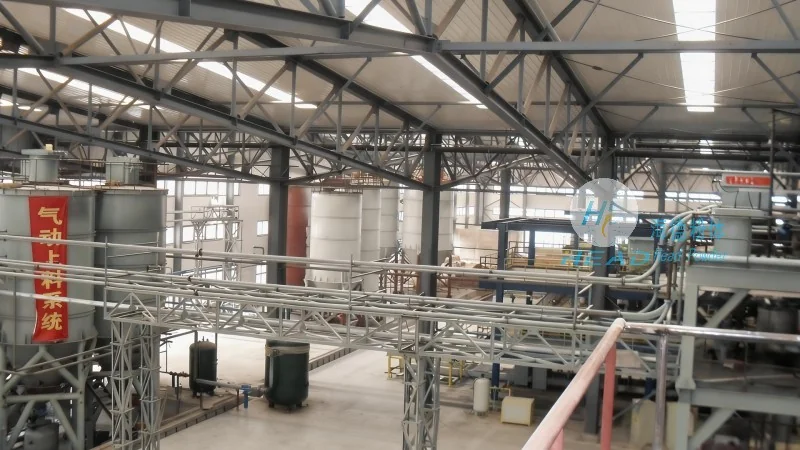
Applications and Benefits of PTA Powder Pneumatic Conveying
PTA powder pneumatic conveying systems are widely used in the chemical and polymer industries, particularly in the production of polyester fibers and resins. The primary benefits of using such systems include improved product quality through reduced dust contamination, enhanced safety by minimizing exposure to airborne particles, and increased operational efficiency through automated material handling. Additionally, pneumatic conveying systems offer flexibility in system layout, allowing for integration with existing plant infrastructure and adaptation to changing production requirements. The systems are also capable of handling a wide range of PTA powder characteristics, including different particle sizes, moisture contents, and bulk densities, making them suitable for various production processes. The use of PTA powder pneumatic conveying not only improves the overall performance of the production line but also contributes to cost savings by reducing material losses and energy consumption.
Conclusion
In conclusion, PTA powder pneumatic conveying is a vital technology in the efficient handling and transportation of PTA powder in industrial applications. The design principles that govern such systems, including the selection of conveying velocity, pressure drop management, system capacity, and safety considerations, are crucial for ensuring optimal performance and reliability. As a leading provider in this field, Shandong HeadPowder Engineering Co., Ltd., based in Shandong, China, specializes in the design, manufacturing, and installation of high-quality PTA powder pneumatic conveying systems tailored to the specific needs of its clients. By adhering to these design principles and leveraging advanced engineering solutions, the company ensures that its systems deliver superior performance, enhance operational efficiency, and contribute to the overall success of its clients' production processes.




