Wheat material pneumatic conveying is a critical technology in the grain handling sector, enabling efficient transport of bulk wheat from storage to processing facilities. This method leverages air as the conveying medium, moving wheat particles through a network of pipes and equipment. Understanding the core principles and design considerations of such systems is essential for optimizing grain processing operations and ensuring consistent performance.
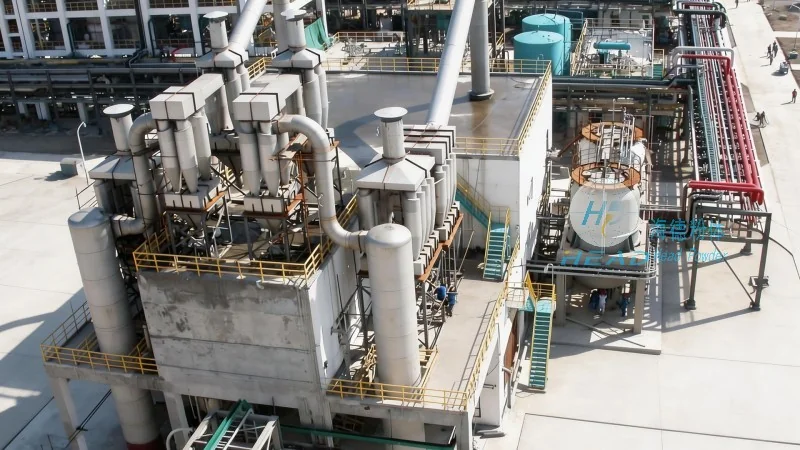
Introduction to Wheat Material Pneumatic Conveying
Pneumatic conveying systems are widely adopted in agricultural and food processing industries for handling wheat and similar bulk materials. These systems offer advantages like reduced labor costs, minimized product contamination, and the ability to transport materials over long distances without mechanical components like belts or buckets. The fundamental concept revolves around creating a pressure differential using air to move wheat particles through the system.
Key Components of a Wheat Pneumatic Conveying System
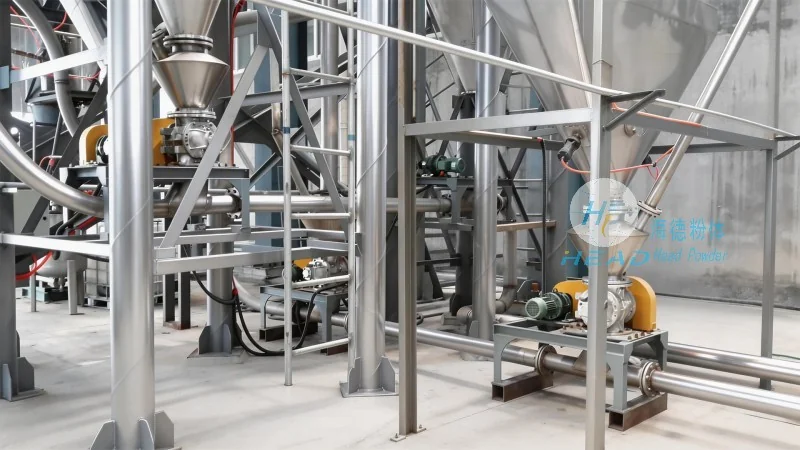
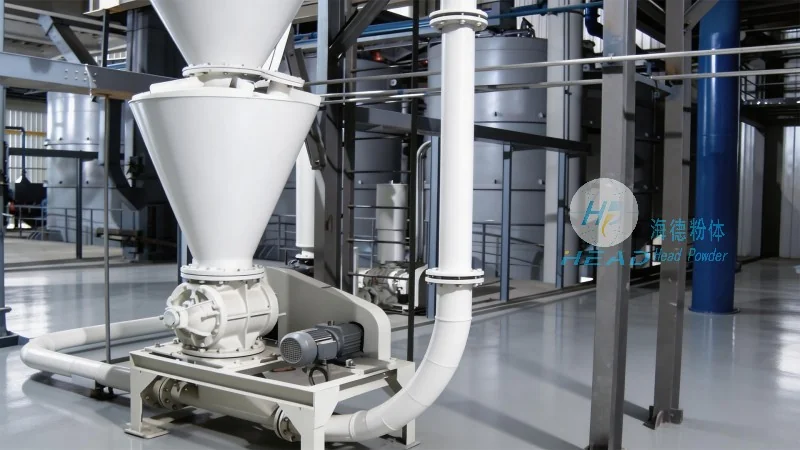
A typical wheat pneumatic conveying system comprises several essential components that work in unison to achieve efficient material transport. These include the hopper or feeder, which controls the flow rate of wheat into the system; the conveying line, a network of pipes that carries the wheat-air mixture; the air supply system, which generates the necessary pressure and flow; and the discharge equipment, which collects the wheat at the destination. Each component is carefully selected and designed to ensure optimal performance and durability.
Design Principles for Wheat Material Pneumatic Conveying
The design of a wheat pneumatic conveying system follows specific principles to maintain efficiency and reliability. One primary principle is maintaining consistent air velocity within the conveying line. The air velocity must be sufficient to overcome particle resistance and pipe friction while preventing excessive pressure drops that could cause material deposition or blockages. Engineers calculate the required air velocity based on wheat particle size, density, and flow rate.
Another critical principle is material selection for equipment components. Wheat is abrasive, and the system must use materials resistant to wear and tear. Stainless steel is commonly used for contact parts to avoid contamination and corrosion. Material choice impacts system cost and maintenance requirements.
Flow Rate and Pressure Considerations
Flow rate and pressure are interrelated parameters affecting system performance. Flow rate is the volume of wheat transported per unit time, while pressure is the air force on particles. Higher flow rates typically require higher air pressure. However, excessive pressure increases energy use and potential component damage. Balancing flow rate and pressure is key to economical operation.
System Sizing and Capacity Planning
Proper system sizing is vital for successful implementation. This involves determining pipe diameter, length, and bends based on expected flow rate and material characteristics. Pipe diameter must prevent excessive pressure losses and particle buildup. Minimizing length and bends reduces pressure drop. Capacity planning also considers receiving facility capabilities to avoid bottlenecks.
Maintenance and Troubleshooting
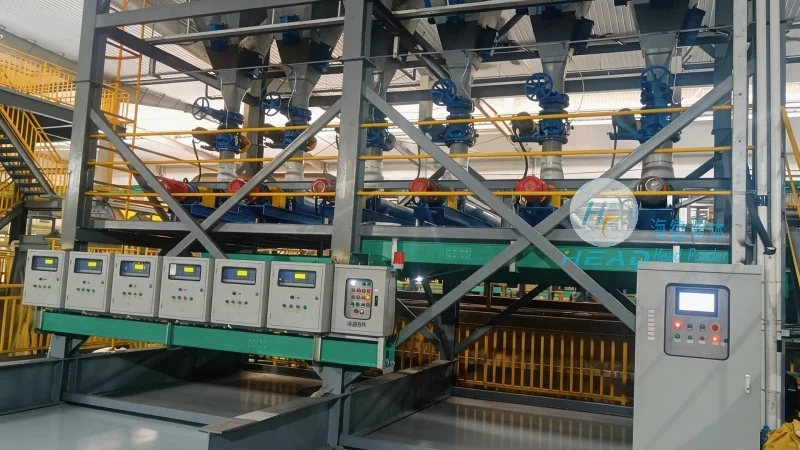
Maintenance involves regular inspections and cleaning to prevent material buildup and check for leaks or pressure issues. Troubleshooting addresses clogging or reduced flow, indicating design or operational problems. Prompt issue resolution minimizes downtime and maintains system efficiency.
Conclusion
Wheat material pneumatic conveying is a sophisticated technology that offers significant benefits in grain handling. By understanding design principles and key components, engineers and operators can optimize performance, efficiency, and reliability. Proper equipment selection, maintenance practices, and system sizing are critical for successful pneumatic conveying of wheat. As grain processing demands grow, this technology remains essential in modern agricultural and food processing facilities.




