

What is a Pneumatic Conveying System for Synthetic Rubber Materials? Exploring Design Principles
For industries dealing with synthetic rubber materials, efficient material handling is crucial. Pneumatic conveying systems offer a reliable solution for transporting these materials from one location to another. This article delves into what such systems are and the fundamental design principles that underpin their operation.
Understanding Synthetic Rubber Material Handling Challenges
Transporting synthetic rubber materials, whether in granular or powdered form, presents unique challenges. These materials can be abrasive, sticky, or have specific flow characteristics that require specialized equipment. Traditional methods like belt conveyors or bucket elevators may not be suitable due to the risk of material degradation or equipment wear. Pneumatic conveying systems address these challenges by using air to move materials through a sealed pipeline, minimizing contact with external elements and reducing the risk of contamination or degradation.
Key Components of a Synthetic Rubber Pneumatic Conveying System
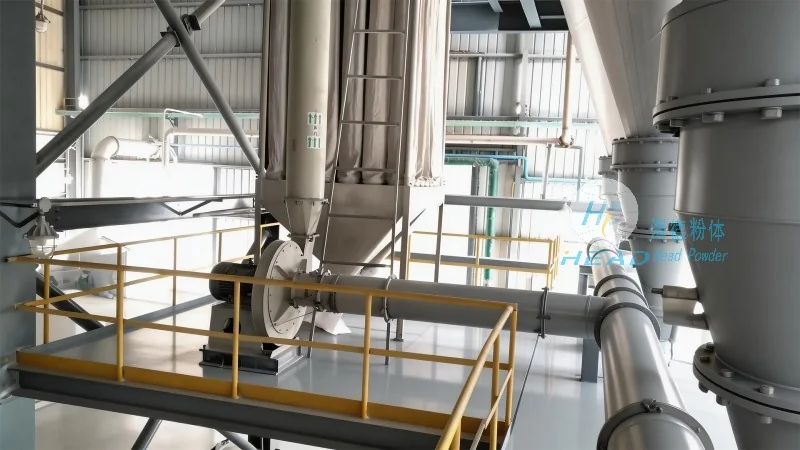
A typical pneumatic conveying system for synthetic rubber materials consists of several key components. The system includes a hopper or feeder to store and meter the material, a blower or compressor to generate the air flow, a pipeline network to transport the material, and a receiver or discharge unit to collect the material at the destination. Each component plays a critical role in ensuring the system operates efficiently and safely. The hopper is designed to handle the specific bulk properties of synthetic rubber, such as its density and flowability, while the feeder ensures a consistent material flow into the system. The blower or compressor provides the necessary air pressure to move the material through the pipeline. The pipeline network is typically made of materials like stainless steel or plastic, chosen for their resistance to corrosion and wear from the synthetic rubber material. The receiver at the end of the system collects the material and may include features like a filter to remove any air or debris from the material stream.
Design Principles for Efficient Synthetic Rubber Conveying
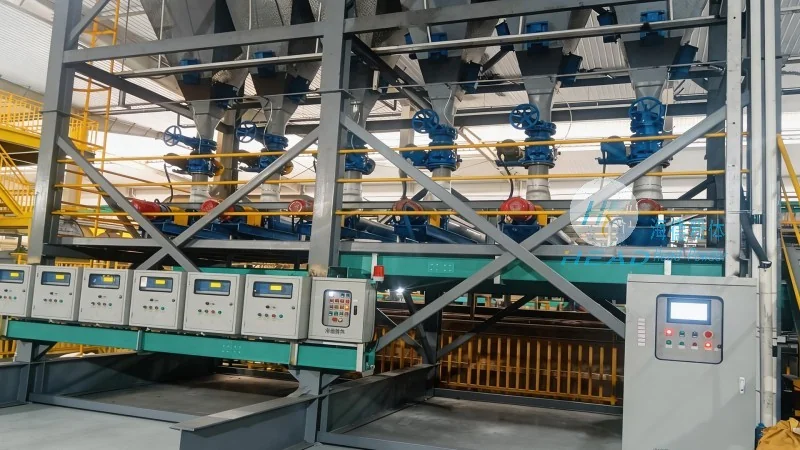
The design of a pneumatic conveying system for synthetic rubber materials is guided by several key principles to ensure optimal performance. One of the primary principles is maintaining a consistent air-to-material ratio. This ratio is crucial for achieving efficient transport and preventing material blockages or excessive pressure drops. The system must be designed to handle the specific density and particle size of the synthetic rubber material, as these factors directly impact the air velocity required for transport. For example, finer particles may require higher air velocities to prevent settling or clogging in the pipeline. Another important principle is the use of appropriate pipeline diameters and lengths. The diameter of the pipeline is selected based on the material flow rate and the air velocity needed to maintain a stable flow. Longer pipelines may require additional boosters or larger blower capacities to maintain sufficient pressure. The system also incorporates features like bends and elbows with smooth transitions to minimize pressure losses and prevent material accumulation. Additionally, the system is designed with safety considerations in mind, including pressure relief valves and air filtration systems to ensure safe operation and protect against potential hazards.
Advantages of Using Pneumatic Conveying for Synthetic Rubber Materials
Implementing a pneumatic conveying system for synthetic rubber materials offers several advantages over traditional handling methods. One of the main benefits is the ability to handle materials in a closed system, which reduces the risk of dust emissions and environmental contamination. This is particularly important for synthetic rubber materials, which can be fine and easily airborne, posing health and safety risks. The closed system also helps maintain the material's quality by preventing exposure to moisture, contaminants, or other external factors that could affect its properties. Another advantage is the flexibility of the system, which allows for easy integration with existing production lines or expansion of the system as production needs change. The system can be configured to transport materials over long distances or through complex layouts, making it suitable for various industrial applications. Furthermore, pneumatic conveying systems are generally more energy-efficient compared to other methods, as they use air to move materials rather than mechanical components that may require more power. This efficiency translates to lower operational costs and reduced energy consumption over time.
Application Examples in Synthetic Rubber Manufacturing
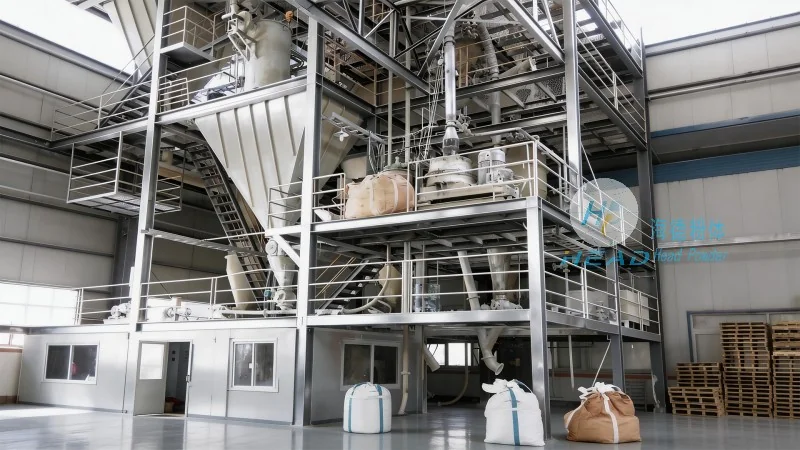
Pneumatic conveying systems are widely used in various stages of synthetic rubber manufacturing processes. For instance, in the production of rubber compounds, synthetic rubber materials are often conveyed from storage silos to mixing equipment. The system ensures that the material is delivered to the mixer in a controlled manner, maintaining consistent quality and preventing interruptions in the production process. In tire manufacturing, synthetic rubber granules are transported from storage to the tire building machines, where they are mixed with other components like carbon black and sulfur. The pneumatic conveying system provides a reliable and efficient way to move these materials, ensuring that the tire production line operates smoothly. Additionally, in recycling operations, synthetic rubber materials from waste tires are conveyed to processing equipment for shredding and reprocessing. The system helps in handling the large volumes of material efficiently and safely, contributing to the sustainability of the rubber industry.
Conclusion: Choosing the Right Pneumatic Conveying System for Synthetic Rubber Materials
When selecting a pneumatic conveying system for synthetic rubber materials, it is essential to consider the specific requirements of the application, including the material's properties, flow characteristics, and the distance to be covered. The design principles discussed, such as maintaining the correct air-to-material ratio, using appropriate pipeline dimensions, and incorporating safety features, are critical for ensuring the system's effectiveness and longevity. By partnering with a reputable engineering company like Shandong HeadPowder Engineering Co., Ltd., industries can benefit from customized solutions tailored to their specific needs. The company specializes in designing and manufacturing pneumatic conveying systems for a wide range of materials, including synthetic rubber, and has extensive experience in meeting the unique challenges of material handling in the rubber industry. With their expertise, companies can ensure that their material handling processes are efficient, reliable, and safe, contributing to overall operational success.