

What is a Pneumatic Conveying System for Metal Aluminum Powder? And What Are Its Design Principles?
When it comes to handling metal aluminum powder, efficient and reliable material transport is crucial for industrial processes. A pneumatic conveying system specifically designed for metal aluminum powder plays a vital role in ensuring smooth operations, minimizing material loss, and maintaining product quality. This article explores what such a system entails and delves into its core design principles, highlighting the technology behind it and its practical applications.
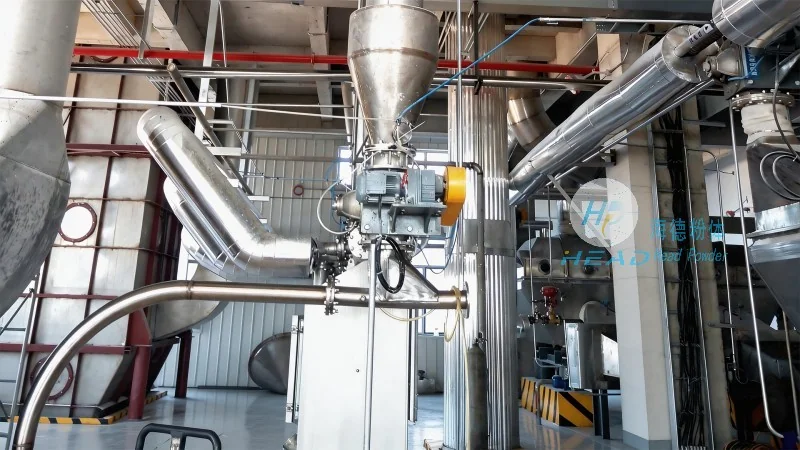
Understanding Metal Aluminum Powder Pneumatic Conveying Equipment
At the heart of many industrial applications, metal aluminum powder is a critical raw material used in various sectors, including aerospace, automotive, and manufacturing. Handling this material requires specialized equipment that can manage its unique properties, such as its fine particle size, reactivity, and potential for dust explosion risks. Pneumatic conveying systems offer a solution by using air or gas to transport the powder through a pipeline network, eliminating the need for mechanical components that could cause contamination or damage to the material.
About HeadPowder: Your Expert in Pneumatic Conveying Solutions
HeadPowder, a leading provider of engineering solutions, specializes in designing and manufacturing advanced pneumatic conveying systems tailored to the needs of industries dealing with metal aluminum powder. With a strong presence in Shandong, China, HeadPowder has built a reputation for delivering high-quality, reliable equipment that meets the stringent requirements of modern manufacturing. The company’s commitment to innovation and customer satisfaction has made it a trusted partner for businesses seeking efficient material handling solutions.
The Core Design Principles of Metal Aluminum Powder Pneumatic Conveying Systems
The design of a pneumatic conveying system for metal aluminum powder is based on several key principles that ensure optimal performance and safety. The primary principle is the use of air or gas as the conveying medium, which is introduced into the system to create a flow that moves the powder particles through the pipeline. This process, known as pneumatic transport, relies on the interaction between the powder and the air stream, which can be categorized into different types based on the pressure and flow characteristics.
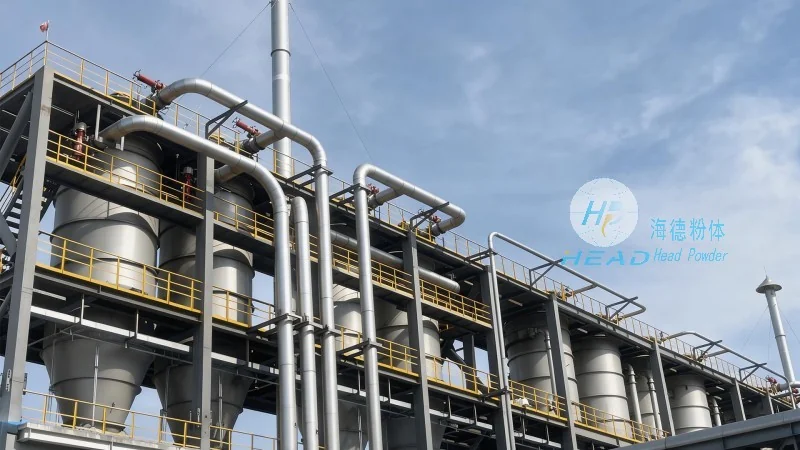
One of the fundamental design considerations is the choice of conveying method. There are two main types: pressure and vacuum systems. Pressure systems use compressed air to push the powder forward, while vacuum systems use a vacuum to pull the material into the pipeline. For metal aluminum powder, the selection of the appropriate method depends on factors such as the distance to be covered, the volume of material to be transported, and the required flow rate. HeadPowder’s engineers carefully evaluate these factors to recommend the most suitable system for each application.
Key Components and Their Functions in the System
A pneumatic conveying system for metal aluminum powder consists of several essential components, each playing a critical role in the overall operation. The main components include the hopper or feeder, which holds the aluminum powder and feeds it into the system; the air compressor or vacuum pump, which provides the necessary pressure or vacuum; the pipeline network, which transports the powder from the source to the destination; and the control system, which regulates the flow and pressure to maintain consistent performance.
The hopper or feeder is designed to handle the fine aluminum powder without causing blockages or agglomeration. It often includes features such as a discharge valve and a vent to control the air flow and prevent dust emissions. The air compressor or vacuum pump is responsible for generating the pressure or vacuum needed to move the powder. These units are typically equipped with filters and moisture separators to ensure the air quality is suitable for the material, as any contaminants could affect the powder’s properties.
The pipeline network is a critical part of the system, as it must be constructed from materials that are compatible with metal aluminum powder and resistant to corrosion. Common materials include stainless steel, which is widely used due to its durability and resistance to chemical reactions with the powder. The pipeline design also considers factors such as the slope and diameter to ensure efficient flow and prevent clogging. The control system, which may include sensors and valves, monitors the pressure, flow rate, and temperature to maintain optimal conditions and prevent overloading or underflow.
Application Examples and Benefits of the System
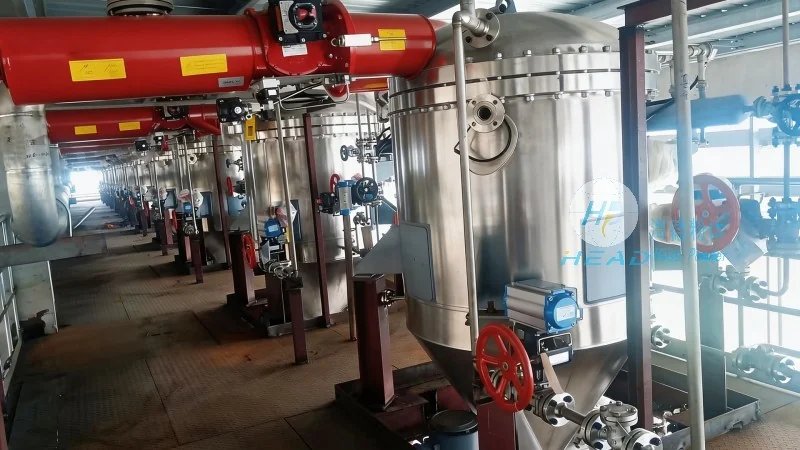
The versatility of metal aluminum powder pneumatic conveying systems makes them suitable for a wide range of applications. For instance, in the aerospace industry, these systems are used to transport aluminum powder for the production of lightweight components, such as aircraft parts. In the automotive sector, they are employed in the manufacturing of aluminum alloys for engine parts and body panels. Additionally, in the manufacturing of aluminum products, such as foils and extrusions, pneumatic conveying systems ensure a consistent supply of raw material to the production lines.
Implementing a pneumatic conveying system for metal aluminum powder offers several benefits. First, it eliminates the need for manual handling, reducing the risk of dust exposure and improving workplace safety. Second, it minimizes material loss and contamination, as the powder is transported in a closed system, preventing it from coming into contact with external elements. Third, it enhances operational efficiency by automating the material transport process, reducing downtime and increasing productivity. Finally, it provides better control over the flow rate and pressure, allowing for precise dosing and consistent quality of the final product.
Conclusion: The Importance of Proper Design and Implementation
In conclusion, a pneumatic conveying system for metal aluminum powder is a sophisticated piece of equipment that requires careful design and implementation to ensure its effectiveness. The principles behind its operation, including the use of air or gas as the conveying medium and the selection of appropriate components, are critical to achieving optimal performance. HeadPowder, with its expertise in engineering and manufacturing, offers reliable solutions tailored to the specific needs of industries dealing with metal aluminum powder. By understanding the design principles and benefits of such systems, businesses can make informed decisions to improve their material handling processes and enhance overall operational efficiency.