

What is a Cement Tank Truck Material Pneumatic Conveying System? What are the Design Principles?
Cement tank truck material pneumatic conveying systems are specialized industrial equipment designed to transport bulk materials, such as cement, from storage silos to the trucks themselves. This technology offers a efficient and reliable method for handling dry powders, eliminating the need for manual labor and reducing the risk of dust exposure. The system operates by using compressed air to create a flow that moves the material through a network of pipes, ensuring a continuous and controlled transfer process. As a leading provider in the industry, Shandong HeadPowder Engineering Co., Ltd., based in Shandong, China, specializes in the design, manufacturing, and installation of these advanced systems, catering to the diverse needs of construction and manufacturing sectors.
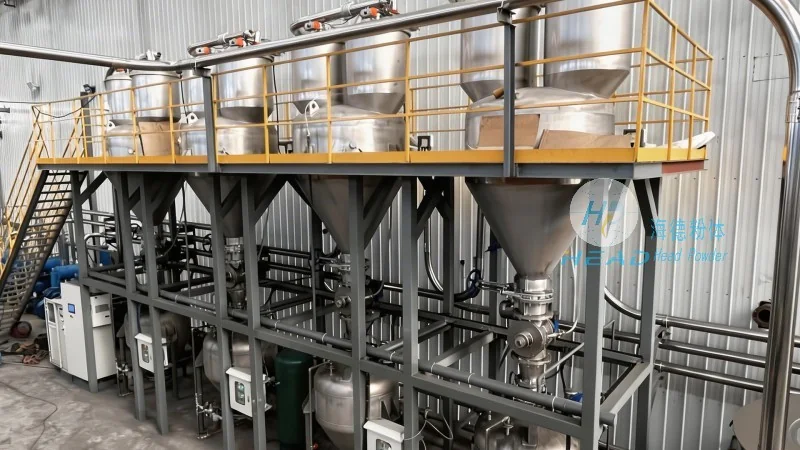
Understanding the Core Functionality of Pneumatic Conveying for Cement Tank Trucks
The primary purpose of a cement tank truck material pneumatic conveying system is to facilitate the seamless transfer of cement from a silo to the truck's storage tank. This process begins with the material being drawn from the silo through a hopper or feeder, which controls the flow rate. Compressed air is then introduced into the system, creating a pressure differential that propels the cement particles through the pipeline. The system is engineered to maintain optimal air velocity to prevent material settling or blockages, ensuring a smooth and consistent delivery. The design incorporates features like airlocks and rotary valves to manage the material's movement and prevent backflow, enhancing the overall efficiency of the operation.
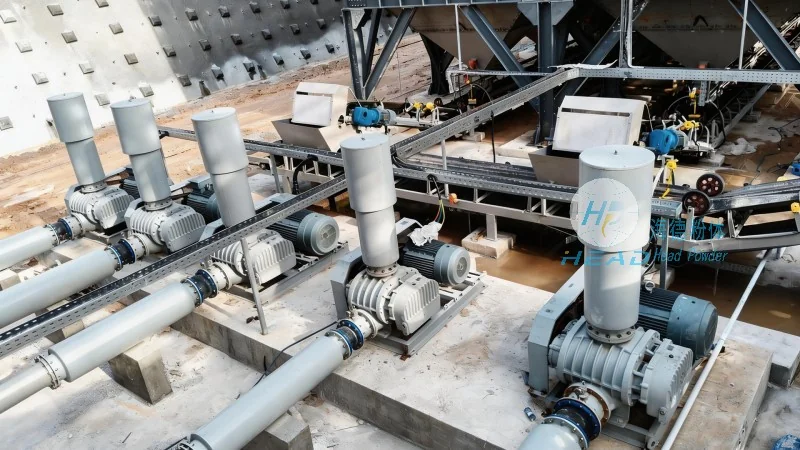
Key Design Principles for Effective Pneumatic Conveying Systems
Several critical design principles underpin the functionality of cement tank truck material pneumatic conveying systems. Firstly, the air velocity must be carefully calculated to ensure that the material is entrained without causing excessive wear on the system components. Typically, velocities range from 20 to 30 meters per second, depending on the specific characteristics of the cement and the pipeline diameter. Secondly, the pipeline layout is crucial for minimizing pressure losses and preventing material deposition. Horizontal and vertical sections are designed with appropriate slopes to maintain the material's flow, and bends are minimized or replaced with smooth transitions to reduce friction. Thirdly, the system includes a gas-solid separation unit, such as a cyclone or bag filter, which separates the air from the cement particles after delivery to the truck. This unit is essential for maintaining air quality and preventing dust contamination in the surrounding environment. Additionally, the system incorporates pressure regulators and flow meters to monitor and control the air pressure and material flow, ensuring precise operation.
Components and Their Roles in the Pneumatic Conveying System
The cement tank truck material pneumatic conveying system consists of several key components, each playing a vital role in the overall process. The primary components include the material feeder, which draws the cement from the silo and feeds it into the pipeline; the conveying pipeline, which transports the material under pressure; the air compressor, which generates the necessary compressed air; and the gas-solid separator, which cleans the air before it is released. The feeder is typically a rotary valve or a screw feeder, designed to handle the bulk material and maintain a consistent flow rate. The pipeline is made of durable materials, such as stainless steel or plastic, to withstand the abrasive nature of cement and the pressure of the compressed air. The air compressor is a high-efficiency unit that provides the required pressure and volume of air, while the gas-solid separator ensures that the air is clean and free of dust, complying with environmental regulations. Each component is carefully selected and integrated to create a cohesive system that maximizes efficiency and reliability.
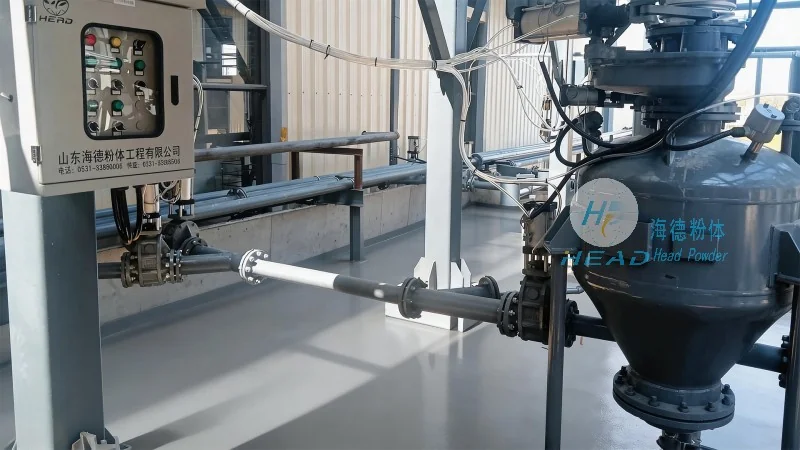
Benefits and Applications of Pneumatic Conveying Systems
Implementing a cement tank truck material pneumatic conveying system offers numerous benefits for businesses in the construction and manufacturing industries. The most significant advantage is the reduction in labor costs, as the system automates the material transfer process, eliminating the need for manual handling. This not only improves efficiency but also enhances workplace safety by minimizing exposure to dust and other hazards. Additionally, the system reduces material waste by preventing spillage and ensuring a precise delivery of cement to the trucks. The continuous operation of the system allows for a steady supply of materials, which is critical for maintaining production schedules and meeting project deadlines. The system is also highly adaptable, capable of handling various types of bulk materials, including powders and granules, making it a versatile solution for different industrial applications. Shandong HeadPowder Engineering Co., Ltd. has successfully implemented these systems in numerous projects, demonstrating their effectiveness in improving operational efficiency and reducing costs for clients.