

What is a Bulk Material Mixing and Air-Pneumatic Conveying Line? What are its Design Principles?
Bulk material mixing and air-pneumatic conveying lines are sophisticated industrial systems designed to handle, transport, and blend various dry powders and granules efficiently. These systems are widely used across multiple industries, including chemical, food processing, pharmaceuticals, and agriculture, where precise material handling and consistent product quality are critical. The core function of such a line is to ensure that different raw materials are mixed in the correct proportions and then conveyed to the next processing stage without degradation or segregation.
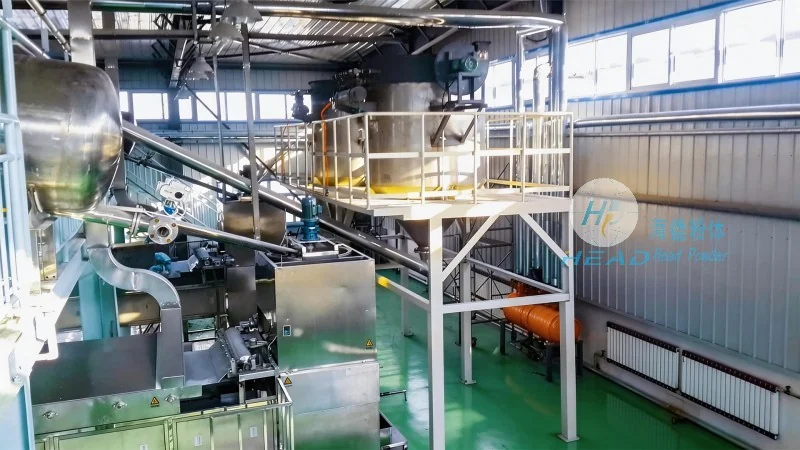
Understanding Bulk Material Mixing and Air-Pneumatic Conveying Lines
A typical bulk material mixing and air-pneumatic conveying line consists of several interconnected components that work in tandem to achieve the desired outcome. The system begins with a feeding unit, which can be a hopper or a rotary valve, that regulates the flow of raw materials into the mixing chamber. The mixing chamber is where different ingredients are combined to achieve the required blend ratio. From there, the mixed material is transferred to a pneumatic conveying system, which uses compressed air to transport the material through pipelines to the final destination, such as a storage silo or a processing unit.
Design Principles of the Conveying System
The design of a bulk material mixing and air-pneumatic conveying line is governed by several key principles that ensure optimal performance and reliability. The first principle is the consideration of material characteristics, including particle size, density, moisture content, and flowability. These properties dictate the type of equipment used for feeding, mixing, and conveying. For example, cohesive or sticky materials may require special feeding mechanisms to prevent blockages, while free-flowing powders can be handled with standard equipment.
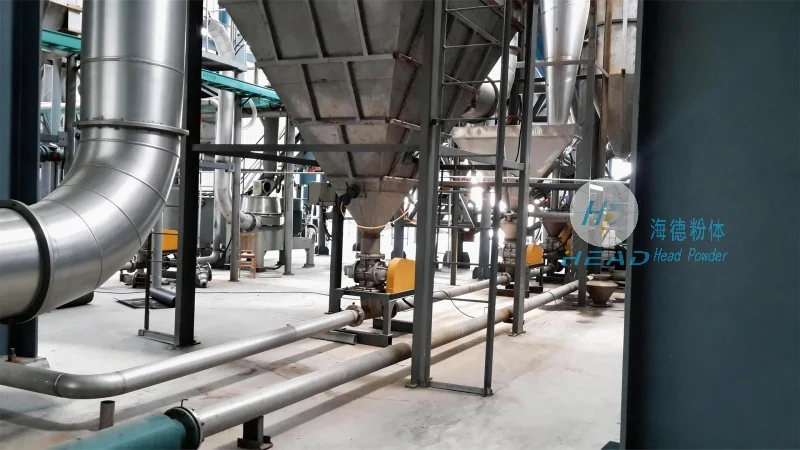
Another critical design principle is the selection of the conveying method. Air-pneumatic conveying is preferred for its ability to handle a wide range of materials, including those that are dusty or have high moisture content. The system typically uses compressed air to move the material through the pipeline. Positive pressure systems use compressed air to push the material forward, while negative pressure systems use vacuum to pull the material. The choice between these methods depends on the distance to be covered, the material's properties, and the overall system layout.
Key Components and Their Functions
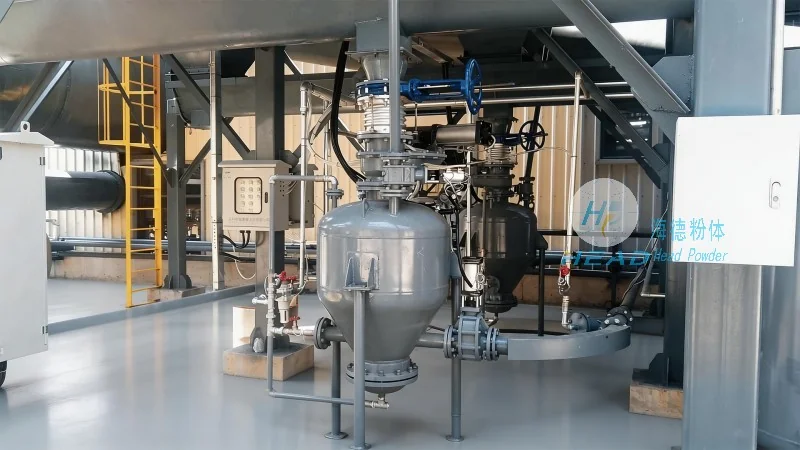
The effectiveness of a bulk material mixing and air-pneumatic conveying line relies on the proper functioning of its key components. The feeding equipment, such as a rotary valve or a screw feeder, controls the rate at which materials enter the mixing chamber, ensuring a consistent flow rate. The mixing chamber, often equipped with agitators or paddles, ensures that all ingredients are thoroughly combined to achieve the desired blend. The pneumatic conveying system includes components like air compressors, filters, and pipelines, which are essential for transporting the material efficiently. Additionally, the system may include a dust collection system to manage airborne particles and maintain a clean working environment.
Application Scenarios and Industry Use Cases
Bulk material mixing and air-pneumatic conveying lines are applied in various industrial settings where precise material handling is essential. In the chemical industry, these systems are used to blend raw chemicals for manufacturing processes, ensuring uniform product quality. In the food processing industry, they are employed to mix ingredients for products like flour, sugar, and spices, maintaining hygiene and consistency. The pharmaceutical industry also relies on such systems to handle active pharmaceutical ingredients (APIs) and excipients, where contamination and uniformity are paramount. In agriculture, they are used to blend fertilizers and pesticides, ensuring that the correct ratios are applied to crops.
Company Profile: Shandong HeadPowder Engineering Co., Ltd.
Shandong HeadPowder Engineering Co., Ltd. is a leading manufacturer and supplier of bulk material handling systems, including mixing and air-pneumatic conveying lines. With headquarters in Shandong, China, the company specializes in designing and manufacturing customized solutions tailored to the specific needs of its clients. HeadPowder's team of engineers and technicians leverages advanced technology and years of industry experience to develop high-quality, reliable systems that meet international standards. The company's commitment to quality and customer satisfaction has made it a trusted partner for businesses worldwide seeking efficient and effective material handling solutions.