

What is a Positive Pressure Bulk Material Pneumatic Conveyor? And What Are Its Design Principles?
Positive pressure bulk material pneumatic conveying systems represent a critical technology in material handling, particularly for industries dealing with dry, powdery, or granular materials. Unlike negative pressure systems that draw material into the system, positive pressure systems actively push material through a sealed network of pipes using compressed air or other gases. This method offers distinct advantages in terms of material containment, system flexibility, and operational efficiency, making it a preferred choice for many bulk material transport applications.
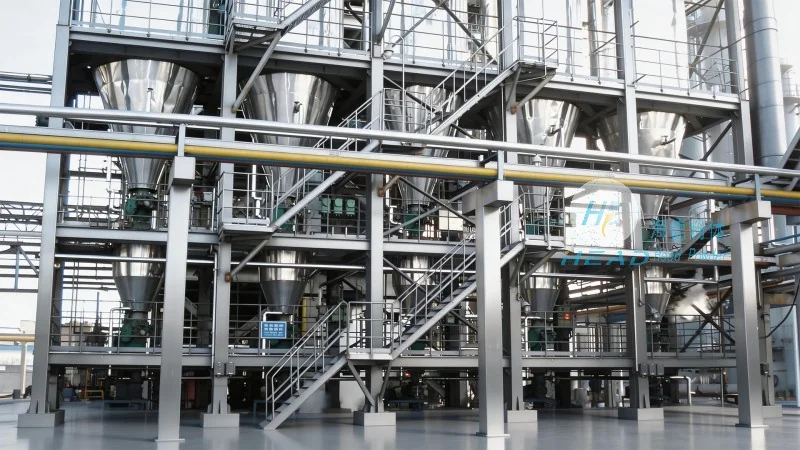
Introduction to Positive Pressure Bulk Material Pneumatic Conveying Systems
A positive pressure pneumatic conveyor operates by generating a higher pressure within the conveying line than the ambient air pressure. This pressure differential forces the material to move from the inlet to the discharge point. The system typically consists of a high-pressure blower or compressor, a network of pipes, a hopper or feeder to introduce the material, and a receiver or separator to collect the material at the destination. The design of such systems is tailored to the specific characteristics of the material being conveyed—such as particle size, density, and moisture content—as well as the distance and layout of the conveying route.
Core Design Principles of Positive Pressure Pneumatic Conveyors
The fundamental design principle of a positive pressure system is to maintain a consistent pressure throughout the conveying line to ensure smooth material flow. This involves selecting an appropriate blower or compressor that can deliver the necessary pressure and airflow to overcome the resistance caused by the material's friction against the pipe walls and the bends in the system. The pressure level is typically determined by the material's properties and the length of the conveying line; for example, longer or more complex routes may require higher pressures to maintain adequate velocity and prevent material settling or blockages.
Another key design principle is the control of airflow velocity. The velocity of the air stream must be sufficient to entrain the material particles and keep them suspended within the pipe. This velocity is often referred to as the "conveying velocity" and is calculated based on the material's properties and the pipe diameter. Proper velocity ensures that the material is transported without excessive wear on the system components and without causing excessive energy consumption. The design also considers the material's tendency to settle or agglomerate, as these factors can impact the system's performance and require additional components like agitators or vibration devices.
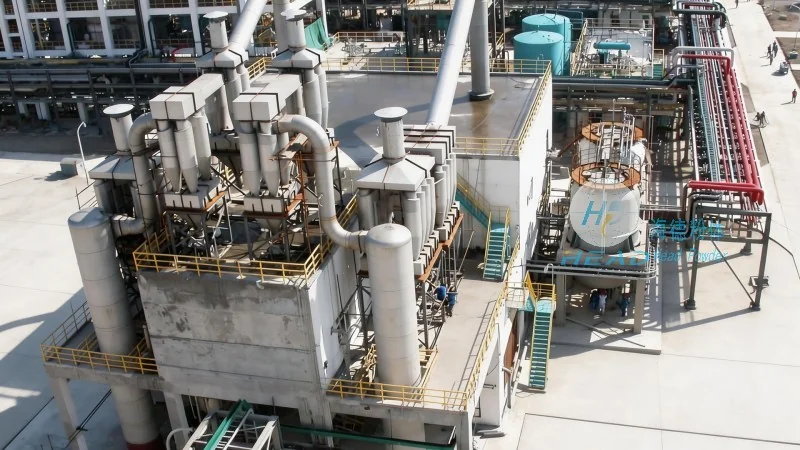
Key Components and Their Functions in a Positive Pressure System
Several critical components work together to ensure the efficient operation of a positive pressure pneumatic conveyor. The first is the high-pressure blower or compressor, which generates the compressed air or gas that drives the material. This component is typically selected based on the required pressure and airflow, with options including centrifugal blowers, positive displacement blowers (such as rotary lobe or roots blowers), and even electric or diesel-powered units depending on the application's power requirements and environmental constraints.
The conveying pipes are another essential part of the system, and their design is critical to minimizing pressure loss and wear. Pipes are usually made from materials like stainless steel, carbon steel, or plastic, depending on the material being conveyed and the operating conditions. Stainless steel is preferred for abrasive or corrosive materials, while plastic pipes may be used for non-abrasive materials in applications where cost and weight are considerations. The pipe diameter is chosen to balance the conveying velocity and pressure drop; larger diameters reduce pressure loss but increase system cost and space requirements.
The hopper or feeder is responsible for introducing the material into the system. It is designed to provide a consistent flow of material to the conveying line, often using a rotary valve or a screw feeder to control the feed rate. The hopper's design may include features such as a cone or a wedge to prevent material bridging or caking, which can disrupt the flow. The feeder is typically located at the inlet of the system and is synchronized with the blower to ensure that material is continuously fed as the system operates.
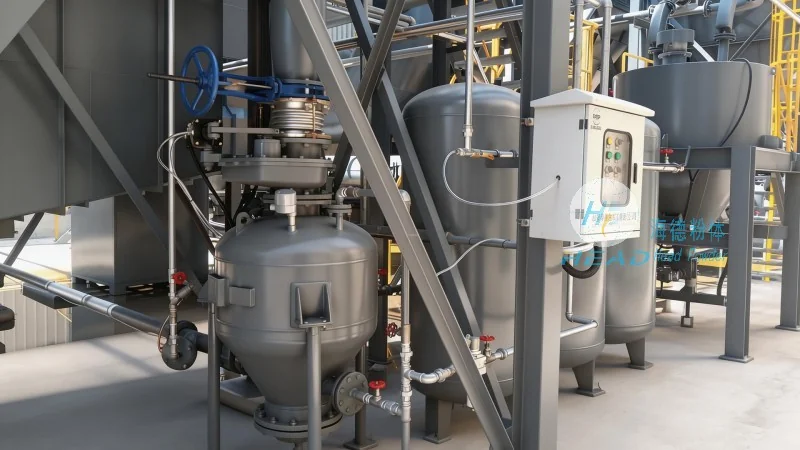
The receiver or separator is located at the discharge end of the system and is responsible for collecting the conveyed material. It may include a cyclone separator or a bag filter to separate the material from the air stream. The separator is designed to handle the pressure and airflow of the system and to prevent material from escaping or contaminating the environment. The receiver may also include a discharge valve or a conveyor to transfer the material to the final storage or processing location.
Design Considerations for Efficient and Reliable Operation
Designing a positive pressure pneumatic conveyor requires careful consideration of several factors to ensure optimal performance and longevity. One of the most important considerations is the system's pressure and flow rate. The pressure must be sufficient to overcome the resistance of the material and the pipe network, but not so high that it causes excessive wear on the components or increases energy consumption. The flow rate must be adjusted to match the material's characteristics and the conveying distance, as too high a flow rate can cause excessive pressure drop and material degradation, while too low a flow rate can lead to blockages.
Bend and elbow design is another critical factor. The number and angle of bends in the system affect the pressure loss and the risk of material accumulation. Sharp bends can cause material to impact the pipe walls, leading to wear and potential blockages. Therefore, the design often includes smooth bends or elbows with larger radii to minimize these issues. The use of wear-resistant materials for the pipe and bend components can also extend the system's lifespan.
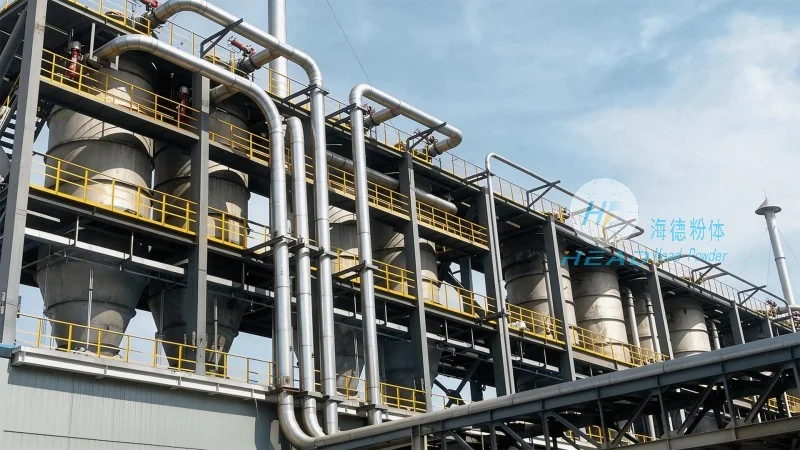
Material selection for the system components is essential, especially when dealing with abrasive or corrosive materials. The blower or compressor housing, the pipes, and the hopper may need to be made from materials such as stainless steel, high-chrome white iron, or special alloys to resist wear and corrosion. Regular maintenance is also a key design consideration, as positive pressure systems require periodic inspection and replacement of worn parts to maintain efficiency. This includes checking the blower's performance, inspecting the pipes for wear or damage, and cleaning the separator to prevent clogging.
About Shandong HeadPowder Engineering Co., Ltd.
Shandong HeadPowder Engineering Co., Ltd., commonly known as HeadPowder, is a leading manufacturer and supplier of bulk material handling equipment, specializing in the design and production of positive pressure pneumatic conveying systems. HeadPowder is headquartered in Shandong, China, and has established itself as a trusted partner for industries such as food, pharmaceuticals, chemicals, and minerals, providing customized solutions tailored to the unique needs of each client. The company's commitment to quality, innovation, and customer satisfaction has made it a preferred choice for businesses seeking reliable and efficient material handling solutions.
Conclusion
Positive pressure bulk material pneumatic conveying systems offer a highly effective and flexible method for transporting dry, powdery, or granular materials. Their design principles, which focus on maintaining consistent pressure, controlling airflow velocity, and selecting appropriate components, ensure that these systems can handle a wide range of materials and operational conditions. With careful design and proper maintenance, positive pressure systems can provide long-term, reliable performance, making them an essential part of modern material handling operations. Companies like Shandong HeadPowder Engineering Co., Ltd. play a crucial role in developing and implementing these systems, helping industries improve their efficiency and productivity.