

What is a Polyethylene Resin Powder Material Pneumatic Conveying Line? And What Are Its Design Princ
For industrial applications involving the transport of polyethylene resin powders, a pneumatic conveying line is a critical system designed to efficiently move bulk materials from one location to another. This article explores the concept of a polyethylene resin powder pneumatic conveying line and delves into its fundamental design principles, providing insights into how such systems operate and their importance in material handling processes.
Understanding the Polyethylene Resin Powder Pneumatic Conveying Line
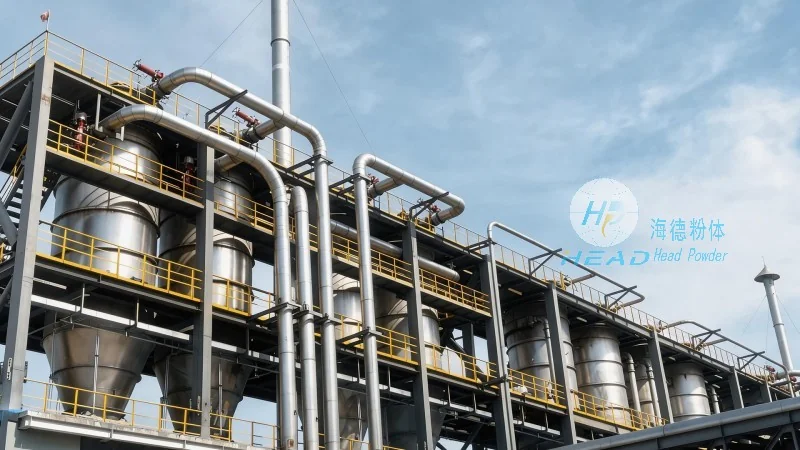
A polyethylene resin powder pneumatic conveying line is a specialized system used to transport polyethylene resin powders through a pipeline using compressed air or other gas as the conveying medium. The system typically consists of several key components, including a hopper for material storage, a feeder to control the flow of powder, a conveying pipeline, and a receiver for the material at the destination. The primary goal of this line is to move polyethylene resin powders in a controlled, efficient manner, minimizing dust generation and ensuring product integrity throughout the process.
Key Components of the Pneumatic Conveying System
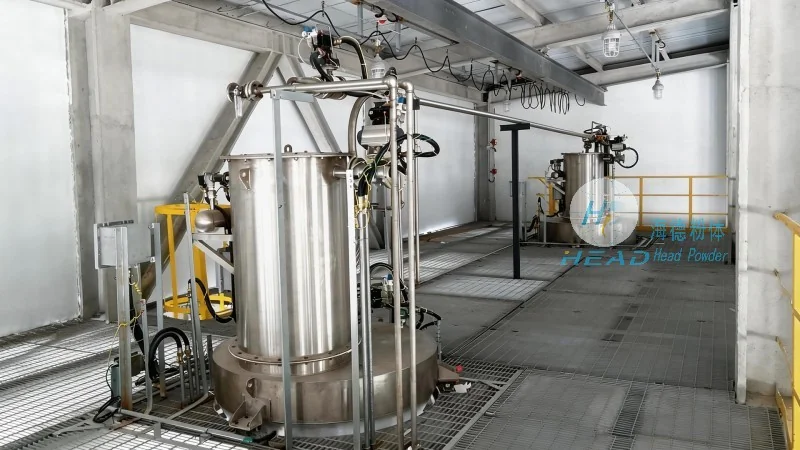
The effectiveness of a polyethylene resin powder pneumatic conveying line relies on the proper integration of several key components. The hopper serves as the storage vessel, holding the polyethylene resin powder and providing a consistent feed to the system. The feeder, often a rotary valve or a screw feeder, regulates the flow rate of the powder into the conveying pipeline, ensuring a steady and controlled discharge. The conveying pipeline is typically made of materials resistant to the polyethylene resin, such as stainless steel or specialized plastic, to prevent material buildup and corrosion. The receiver at the end of the line collects the conveyed powder, often equipped with a dust collection system to maintain a clean environment. Additionally, the system may include a filter or a cyclone separator to remove any fine particles or contaminants from the air before it is released back into the environment.
Design Principles for Efficient Polyethylene Resin Powder Conveying
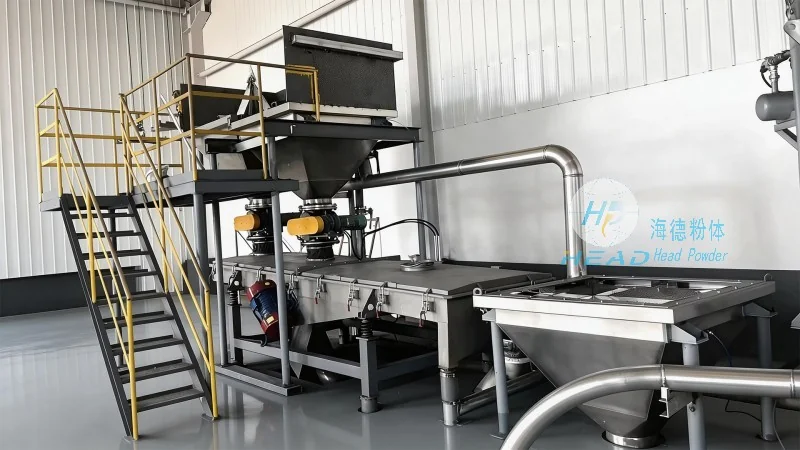
The design of a polyethylene resin powder pneumatic conveying line is based on several key principles to ensure optimal performance. One of the primary principles is the selection of the appropriate conveying velocity, which must be high enough to keep the powder particles suspended in the air stream but not so high as to cause excessive pressure drop or energy consumption. The pressure drop along the pipeline is another critical factor, as it determines the power required to operate the system. Engineers must calculate the pressure drop based on the material properties of the polyethylene resin, the pipeline diameter, and the conveying velocity. The system's design also considers the material's flow characteristics, such as its bulk density and angle of repose, to ensure that the hopper and feeder are configured to prevent bridging or caking, which can disrupt the flow. Furthermore, the system must be designed to handle the specific properties of polyethylene resin powders, such as their tendency to adhere to surfaces or form agglomerates, by incorporating features like vibration or air knives to maintain material flow.
Applications and Benefits of Polyethylene Resin Powder Pneumatic Conveying Lines
Polyethylene resin powder pneumatic conveying lines are widely used in various industrial applications, including plastics manufacturing, chemical processing, and food processing. The primary benefits of using such a system include improved safety by reducing manual handling of powders, increased efficiency by automating the material transport process, and enhanced product quality by minimizing exposure to contaminants or moisture. Additionally, the system can be designed to handle large volumes of polyethylene resin powder, making it suitable for high-throughput production lines. The ability to transport powders over long distances without the need for mechanical conveyors also makes pneumatic conveying lines a versatile solution for complex material handling layouts.
Conclusion and Company Overview
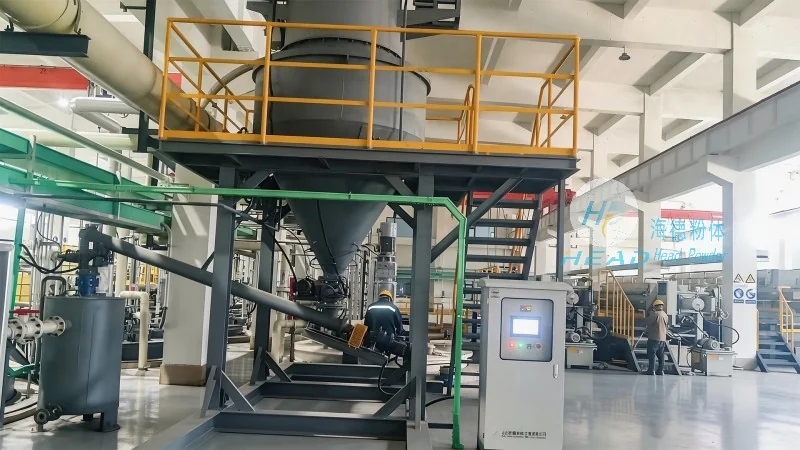
In conclusion, a polyethylene resin powder pneumatic conveying line is a sophisticated system designed to efficiently transport polyethylene resin powders while adhering to strict design principles. The system's components and operational parameters are carefully selected to ensure optimal performance, safety, and product integrity. As a leading provider in the field, Shandong HeadPowder Engineering Co., Ltd. specializes in designing and manufacturing high-quality pneumatic conveying systems tailored to the specific needs of industrial applications. With a focus on innovation and customer satisfaction, HeadPowder offers reliable solutions for the efficient handling of polyethylene resin powders, supporting the success of various industries that rely on these materials.