

What is a Soybean Meal Material Pneumatic Conveyor? And What Are Its Design Principles?
When it comes to handling and transporting bulk materials like soybean meal in industrial settings, the choice of equipment plays a crucial role in efficiency and operational reliability. A key piece of machinery in this domain is the soybean meal material pneumatic conveyor, which offers a solution for moving these materials with precision and minimal maintenance. This article delves into the specifics of what such a conveyor is and explores the underlying design principles that make it effective for its intended purpose.
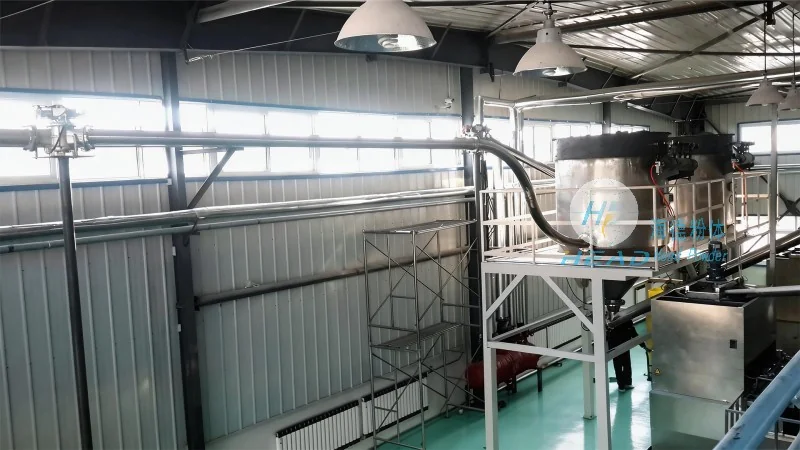
Understanding the Soybean Meal Material Pneumatic Conveyor
The soybean meal material pneumatic conveyor is a type of pneumatic conveying system designed specifically for transporting soybean meal and similar bulk materials. Unlike traditional mechanical conveyors, which rely on mechanical components like belts or screws, this system uses air pressure to move the material through a pipeline. This method is particularly advantageous for materials that are dusty, fine, or have a tendency to clump, as it minimizes the risk of material degradation and ensures a clean, efficient transfer process.
Key Components and Their Functions
At the core of a soybean meal material pneumatic conveyor are several key components that work in tandem to facilitate material transport. The primary components include a hopper for material storage, an air compressor or blower to generate the necessary air pressure, a pipeline system to guide the material, and a receiver or discharge unit where the material is deposited. Each component is engineered to handle the specific characteristics of soybean meal, such as its fine particle size and potential for dust generation, ensuring optimal performance.
The Design Principles Behind the System
The design of a soybean meal material pneumatic conveyor is guided by several fundamental principles aimed at maximizing efficiency and minimizing operational issues. One of the most critical principles is the selection of appropriate air velocity and pressure. The air velocity must be high enough to overcome the resistance of the material in the pipeline but low enough to prevent excessive wear on the system components and to avoid the formation of dust clouds that could lead to health hazards or equipment damage. The pressure levels are carefully calibrated to ensure that the material is moved smoothly without causing blockages or excessive energy consumption.
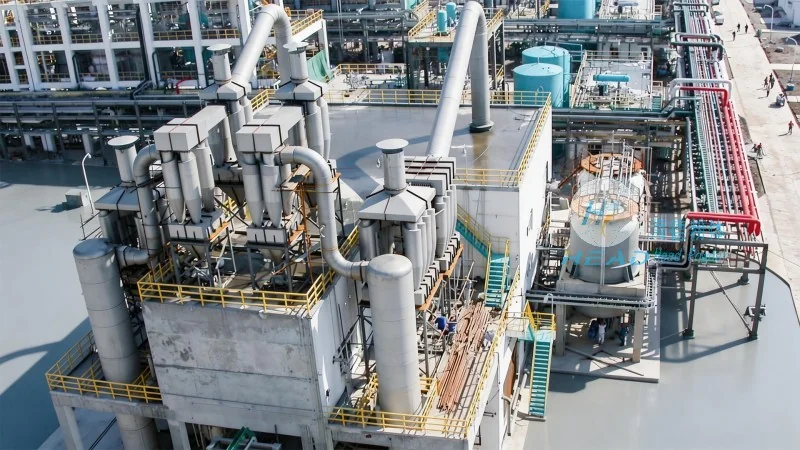
Another key design principle is the consideration of material characteristics. Soybean meal is a fine, powdery material that can be prone to caking or bridging in traditional storage and handling systems. The pneumatic conveyor’s design addresses this by using air to keep the material in a suspended state, preventing it from settling and forming clumps. This not only improves the flow characteristics of the material but also reduces the need for mechanical agitation or breaking of clumps, which can be energy-intensive and potentially damaging to the material.
Advantages of Using a Pneumatic Conveyor for Soybean Meal
Implementing a soybean meal material pneumatic conveyor offers several advantages over traditional conveying methods. First, it provides a dust-free and clean transfer process, which is essential for maintaining product quality and compliance with health and safety regulations. The enclosed system prevents the release of fine particles into the environment, reducing the risk of respiratory issues for workers and minimizing the need for additional dust control measures.
Second, the system is highly flexible and can be easily integrated into existing production lines. It can handle varying material flow rates and can be adjusted to accommodate changes in production volume without significant modifications to the equipment. This adaptability makes it a cost-effective solution for businesses that need to scale their operations or adjust their material handling processes over time.
Third, the pneumatic conveyor is relatively low-maintenance compared to mechanical alternatives. Since it relies on air pressure rather than moving parts like belts or screws, there is less wear and tear on the system, reducing the frequency of maintenance and the associated downtime. This translates to lower operational costs and increased productivity over the long term.
Application in Industrial Settings
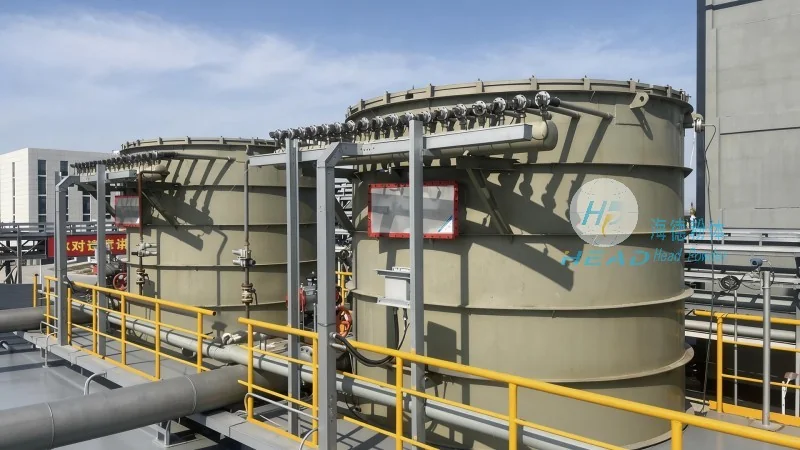
Soybean meal material pneumatic conveyors are widely used in various industrial applications, particularly in the food processing and agricultural sectors. They are commonly employed in soybean processing plants, where they are used to transport soybean meal from storage silos to processing units, such as extruders or mixers. The system’s ability to handle fine, dusty materials makes it ideal for these applications, as it ensures a consistent and reliable supply of material for production.
In addition to food processing, these conveyors are also used in the animal feed industry, where soybean meal is a key ingredient in animal feed formulations. The ability to transport the material efficiently and without contamination is crucial for maintaining the quality of the final feed product. The system’s design also allows for easy integration with other processing equipment, such as mixers and extruders, creating a seamless production line.
Conclusion
In conclusion, the soybean meal material pneumatic conveyor is a sophisticated piece of equipment designed to efficiently and reliably transport soybean meal and similar bulk materials. Its design is based on principles of air pressure and material flow, which address the unique challenges posed by fine, dusty materials like soybean meal. The system offers several advantages, including dust-free operation, flexibility, and low maintenance, making it an attractive choice for industrial applications. As a leading manufacturer in this field, Shandong HeadPowder Engineering Co., Ltd. specializes in providing high-quality pneumatic conveying systems tailored to the specific needs of their clients, ensuring optimal performance and reliability in material handling operations.