

What is a Dye Material Pneumatic Conveying Machine? What are its Design Principles?
Dye material pneumatic conveying machines are specialized equipment designed to transport dry powder materials, such as dyes, pigments, and other fine powders, through a pipeline system using air or gas as the conveying medium. These machines are widely used in the chemical, pharmaceutical, and food industries due to their ability to handle delicate and sensitive materials without causing contamination or degradation. The core function of a pneumatic conveying system is to move bulk materials from one location to another efficiently and safely, often with minimal human intervention.
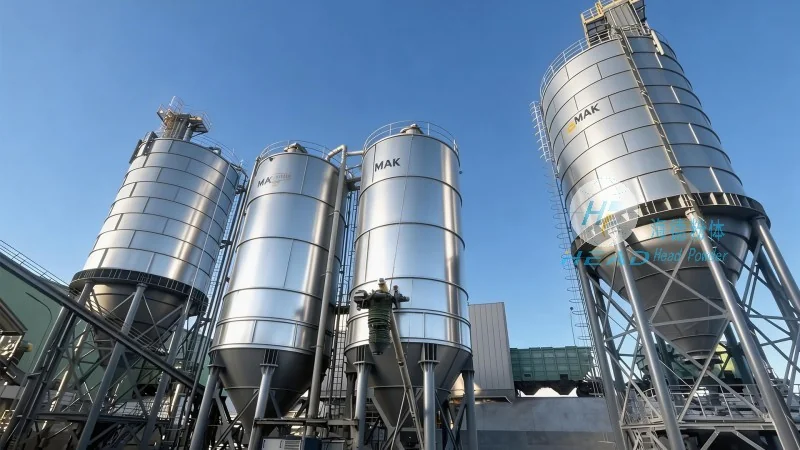
Introduction to Dye Material Pneumatic Conveying Machines
At Shandong HeadPowder Engineering Co., Ltd., we specialize in the design, manufacturing, and installation of high-quality pneumatic conveying systems tailored for dye and other fine powder applications. Our company, commonly known as HeadPowder, has been a leading provider of industrial powder handling solutions since its establishment in Shandong, China. The company's headquarters and main production facilities are located in Shandong, where we leverage advanced technology and engineering expertise to deliver reliable and efficient conveying solutions for our clients.
Working Principle of Pneumatic Conveying Systems
The fundamental principle behind pneumatic conveying is the use of air or gas to create a flow that transports the powder particles through a pipeline. There are two main types of pneumatic conveying systems: pressure and vacuum. In pressure systems, compressed air is introduced at the material inlet, pushing the powder through the pipeline. Vacuum systems, on the other hand, use a vacuum pump to draw the material from the source into the pipeline. For dye materials, which are often sensitive to moisture and temperature changes, the choice of system type and operating parameters is critical to maintain product quality and integrity.
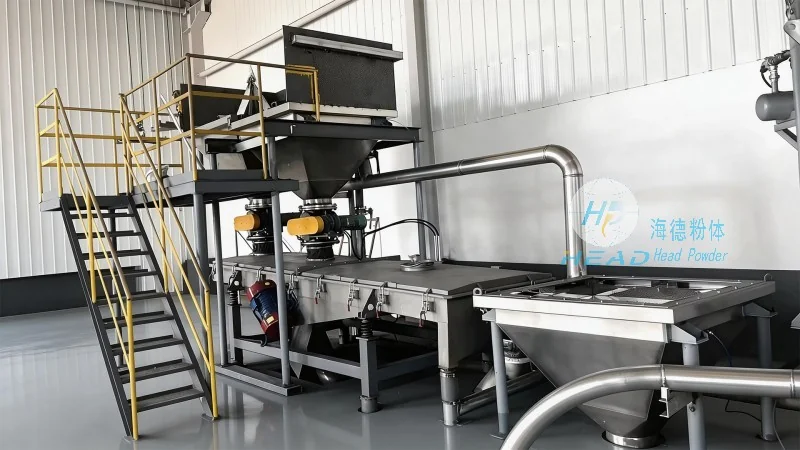
Design Considerations for Dye Material Conveying
Designing a pneumatic conveying system for dye materials requires careful consideration of several factors to ensure optimal performance and product preservation. First, the material's physical properties, such as particle size, density, and flowability, must be thoroughly analyzed. Dyes are typically fine powders with varying particle sizes, which can affect the conveying efficiency and system pressure drop. Second, the system's air velocity and pressure must be optimized to prevent material degradation, caking, or blockages in the pipeline. High air velocities can cause excessive wear on the equipment and reduce the system's efficiency, while low velocities may lead to material settling and blockages.
Key Components of a Dye Material Pneumatic Conveying System
A typical dye material pneumatic conveying system consists of several key components, each playing a crucial role in the overall operation. These components include a material feeder, which ensures a consistent and controlled flow of the dye powder into the system; a conveying pipeline, which transports the material from the source to the destination; a separation and collection system, which removes the air from the powder and collects the material in a hopper or storage tank; and a control system, which monitors and regulates the operation of the entire system. The material feeder is often a rotary valve or a star feeder, designed to handle fine powders without causing bridging or clogging. The conveying pipeline is usually made of stainless steel or other corrosion-resistant materials to prevent contamination and ensure durability. The separation system may include a cyclone separator or a bag filter, which effectively separates the powder from the air stream and collects the material for further processing or storage.
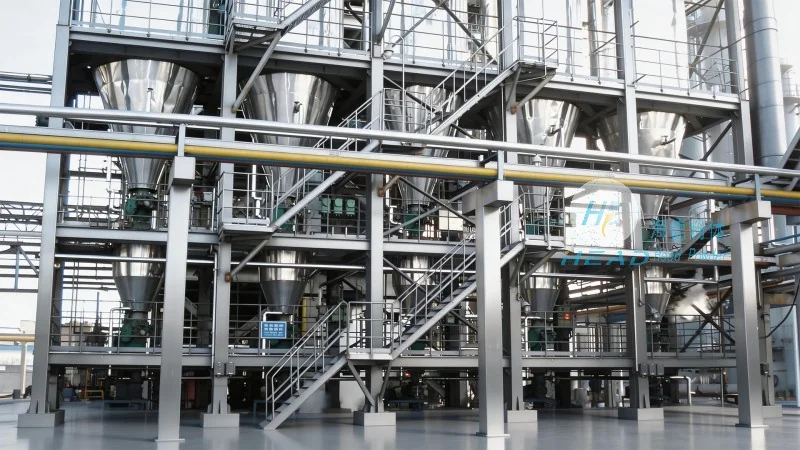
Advantages of Using Pneumatic Conveying for Dye Materials
Compared to traditional mechanical conveying methods, such as screw conveyors or belt conveyors, pneumatic conveying offers several advantages for dye materials. First, it provides a closed system, which prevents dust emissions and contamination from the environment, ensuring product purity and compliance with environmental regulations. Second, it allows for the transportation of materials over long distances without the need for multiple transfer points, reducing the risk of material loss or degradation. Third, pneumatic conveying systems can be easily integrated with other processing equipment, such as mixers or reactors, to form a complete production line. Additionally, these systems are highly flexible and can be easily adjusted to handle different material types or processing requirements.
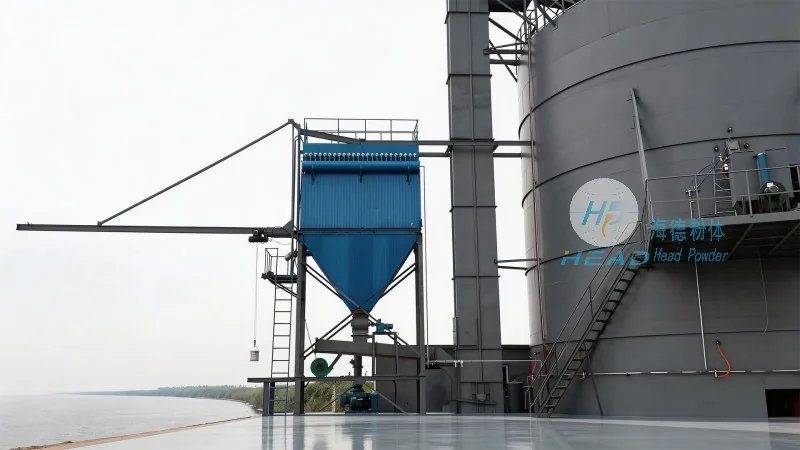
Applications of Dye Material Pneumatic Conveying Machines
Dye material pneumatic conveying machines are widely used in various industries, including the textile industry, where dyes are transported to dyeing machines and processing lines. In the chemical industry, these systems are used to transport pigments and other colorants to production facilities. The pharmaceutical industry also utilizes pneumatic conveying for the handling of active ingredients and excipients, ensuring that the materials are handled hygienically and without contamination. In the food industry, pneumatic conveying is used for the transport of food-grade dyes and colorants, maintaining strict quality and safety standards.
Maintenance and Operational Tips for Dye Material Pneumatic Conveying Systems
To ensure the long-term performance and reliability of a dye material pneumatic conveying system, regular maintenance and proper operation are essential. First, the system should be inspected regularly for any signs of wear or damage, such as leaks in the pipeline or wear on the feeder components. Second, the air filter and separator should be cleaned or replaced as needed to maintain efficient operation and prevent clogging. Third, the system should be operated within the recommended pressure and air velocity ranges to avoid excessive wear and material degradation. Additionally, it is important to monitor the system's performance parameters, such as pressure drop and material flow rate, to detect any issues early and take corrective action. By following these maintenance and operational tips, users can maximize the lifespan and efficiency of their pneumatic conveying systems while maintaining the quality of the dye materials being transported.