

What is a Pneumatic Conveyor for Synthetic Rubber Materials? What Are Its Design Principles?
For industries dealing with synthetic rubber materials, efficient and reliable material handling is crucial. A pneumatic conveyor, specifically designed for synthetic rubber, plays a vital role in ensuring smooth operations and maintaining product quality. This article explores the concept of a pneumatic conveyor for synthetic rubber materials and delves into its design principles, highlighting how such equipment enhances productivity and safety in material transport processes.
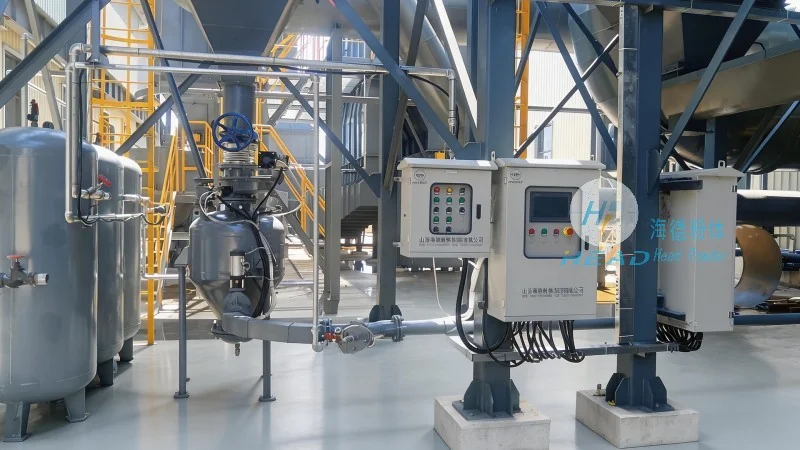
Understanding Synthetic Rubber Pneumatic Conveyors
Synthetic rubber, with its diverse applications in manufacturing, requires specialized handling equipment to manage its unique properties. A pneumatic conveyor for synthetic rubber materials is a system that uses air pressure to transport rubber particles or granules from one location to another. Unlike traditional mechanical conveyors, this system eliminates the need for physical contact, reducing the risk of contamination and wear on the material. The design of such a conveyor is tailored to accommodate the specific characteristics of synthetic rubber, including its density, flowability, and potential for dust generation.
Design Principles of Synthetic Rubber Pneumatic Conveyors
The design of a synthetic rubber pneumatic conveyor is based on several key principles to ensure optimal performance. First, the system must be capable of handling the material's specific density and particle size distribution. This involves selecting appropriate air velocities and duct sizes to prevent material settling or blockages. Second, the conveyor must incorporate features that minimize material degradation, such as smooth internal surfaces and gentle air flow to avoid abrasion or heat buildup. Third, the system should be designed for easy maintenance and cleaning, as synthetic rubber can adhere to surfaces and require regular upkeep. Additionally, the design considers the need for dust control, as synthetic rubber particles are often fine and can create airborne dust, which poses health and safety risks.
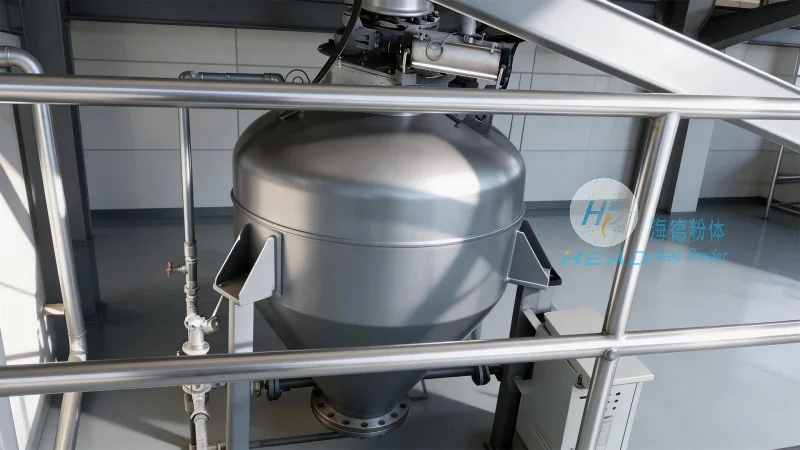
Components and Functionality
A typical synthetic rubber pneumatic conveyor consists of several key components, each playing a critical role in the material transport process. The main components include the hopper, which feeds the synthetic rubber into the system; the air compressor, which generates the necessary air pressure; the ductwork, which transports the material and air; and the discharge unit, which releases the material at the destination. The hopper is designed to store and feed the material in a controlled manner, ensuring a consistent flow into the conveyor. The air compressor provides the pressure needed to move the material through the ducts, with adjustable settings to accommodate different material types and flow rates. The ductwork is typically made of materials resistant to rubber and chemicals, such as stainless steel or specialized plastics, to prevent corrosion and material buildup. The discharge unit, often equipped with a filter or cyclone, separates the material from the air, allowing for clean material collection and dust control.
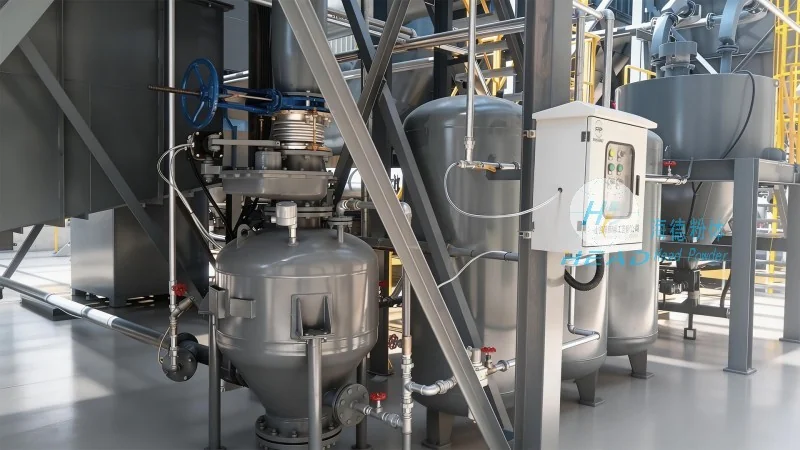
Advantages of Synthetic Rubber Pneumatic Conveyors
Implementing a pneumatic conveyor for synthetic rubber materials offers numerous advantages over traditional methods. One of the primary benefits is the ability to transport materials in a closed system, which reduces dust exposure and improves workplace safety. This is particularly important for synthetic rubber, as fine particles can cause respiratory issues and environmental contamination. Additionally, the system allows for flexible and space-saving layouts, as the ductwork can be installed in various configurations without the need for extensive structural modifications. The conveyor also minimizes material degradation by avoiding physical contact and excessive friction, preserving the quality of the synthetic rubber for downstream processes. Furthermore, the system is energy-efficient compared to some mechanical conveyors, as it uses air pressure rather than mechanical components, reducing energy consumption and maintenance costs.
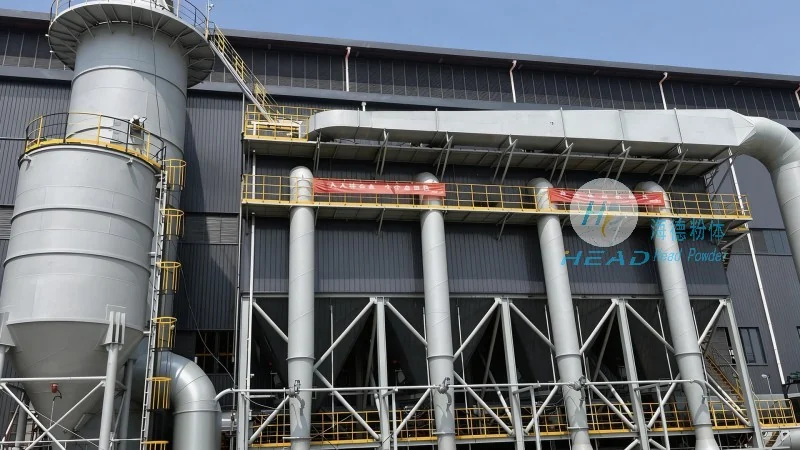
Applications in Industrial Settings
Synthetic rubber pneumatic conveyors are widely used in various industrial applications, including tire manufacturing, rubber products production, and chemical processing. In tire manufacturing, these conveyors efficiently transport rubber compounds from storage to mixing and molding equipment, ensuring consistent material delivery and reducing downtime. In rubber product manufacturing, the system handles granules and powders for products like seals, gaskets, and adhesives, maintaining the material's integrity throughout the process. In chemical processing, the conveyor transports rubber waste or byproducts for recycling or disposal, streamlining the material handling workflow. The versatility of the system makes it suitable for different production scales, from small-scale operations to large industrial facilities.
Maintenance and Operational Considerations
To ensure the longevity and efficiency of a synthetic rubber pneumatic conveyor, proper maintenance and operational considerations are essential. Regular cleaning of the hopper, ductwork, and discharge unit is necessary to prevent material buildup and blockages. This includes using appropriate cleaning tools and methods to avoid damaging the equipment. The air compressor and filters should be inspected and maintained regularly to ensure optimal performance and prevent dust accumulation. Additionally, monitoring air pressure and flow rates is crucial to maintain consistent material transport. Operators should be trained on the proper use and maintenance of the system to avoid operational issues and ensure safety. By following these guidelines, the conveyor can operate efficiently for extended periods, minimizing downtime and maximizing productivity.