

Working Principle and Characteristics of Magnesium Sulfate Pneumatic Conveying
For industries dealing with magnesium sulfate, efficient and reliable material handling is crucial. Pneumatic conveying systems offer a solution that enhances operational efficiency while ensuring product integrity. This article explores the working principle and key characteristics of magnesium sulfate pneumatic conveying, highlighting how such systems can optimize material transport processes.
Working Principle of Magnesium Sulfate Pneumatic Conveying
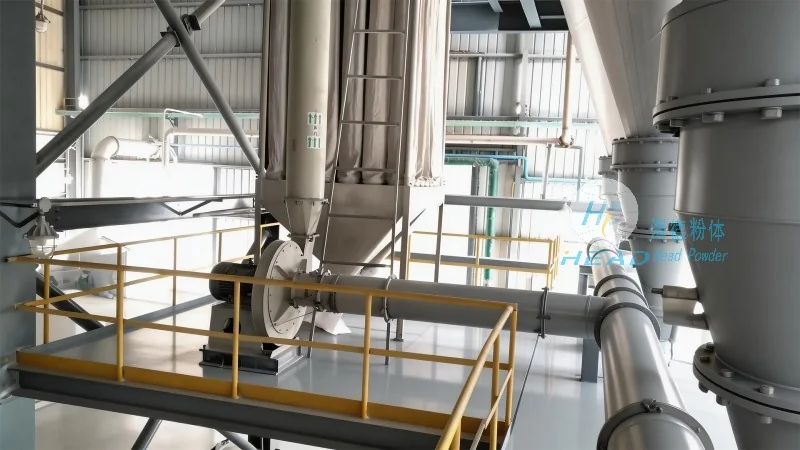
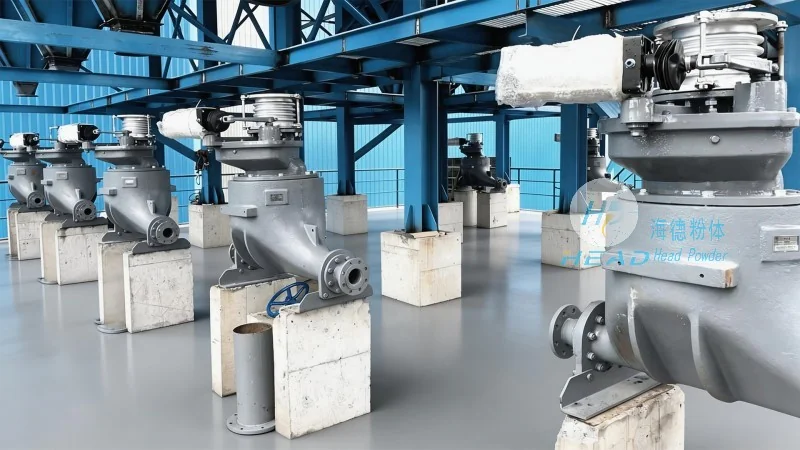
The core mechanism of magnesium sulfate pneumatic conveying involves the use of air or gas to transport the material through a pipeline system. In this process, the material is suspended in a stream of air, which propels it from the source to the destination. The system typically consists of a feeding device, a conveying line, and a collection unit. The feeding device introduces the magnesium sulfate into the air stream, while the conveying line transports the mixture. The collection unit then separates the material from the air, completing the process. This method eliminates the need for mechanical components like belts or buckets, reducing maintenance requirements and minimizing product contamination.
Key Characteristics of Magnesium Sulfate Pneumatic Conveying Systems
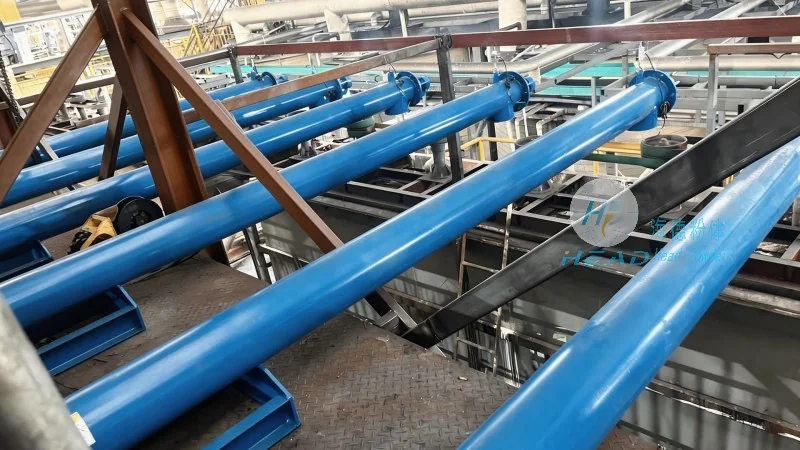
Several distinct characteristics define the performance of magnesium sulfate pneumatic conveying systems. Firstly, the system is highly flexible, allowing for changes in material flow rates and pipeline configurations without significant modifications. This adaptability is particularly valuable in dynamic industrial environments where production demands may vary. Secondly, the process is gentle on the material, preserving the physical and chemical properties of magnesium sulfate. This is essential for applications where product quality is paramount, such as in pharmaceutical or food processing industries. Thirdly, the system offers excellent dust control, as the material is contained within the pipeline, reducing airborne particulates and improving workplace safety. Additionally, the energy efficiency of pneumatic conveying systems is notable, with lower operational costs compared to traditional mechanical methods. These characteristics collectively contribute to the widespread adoption of pneumatic conveying in various industrial sectors.
Applications and Benefits in Industrial Settings
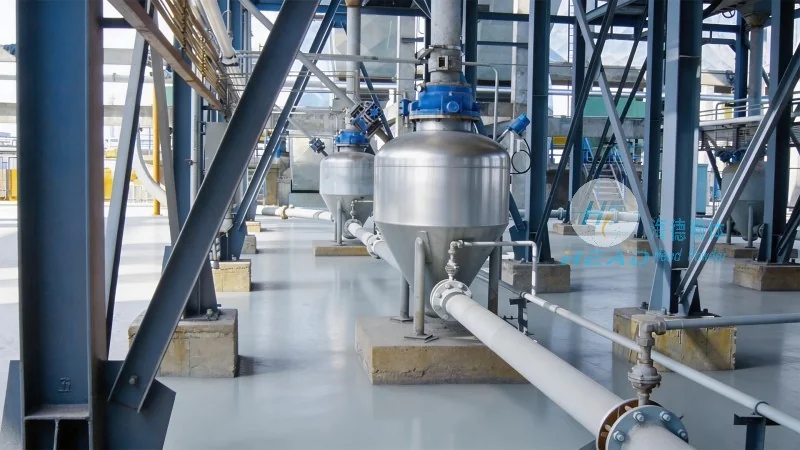
Magnesium sulfate pneumatic conveying systems are widely used in industries that require the transport of bulk materials. For example, in chemical manufacturing, the system efficiently moves raw materials to processing units, ensuring a steady supply of feedstock. In agricultural applications, it aids in the distribution of magnesium sulfate as a fertilizer, improving crop yield and soil health. The benefits extend beyond material transport, as the system enhances overall operational efficiency by reducing downtime and increasing throughput. Furthermore, the reduced need for manual handling minimizes labor costs and improves workplace safety. These advantages make pneumatic conveying a preferred choice for industries seeking sustainable and cost-effective material handling solutions.