

Working Principle and Characteristics of Polypropylene Pneumatic Conveying
For industrial applications involving the handling of polypropylene materials, understanding the mechanisms and features of pneumatic conveying systems is crucial. This article provides an overview of the working principle and key characteristics of polypropylene pneumatic conveying, presented by Shandong HeadPowder Engineering Co., Ltd., a leading provider in the field.
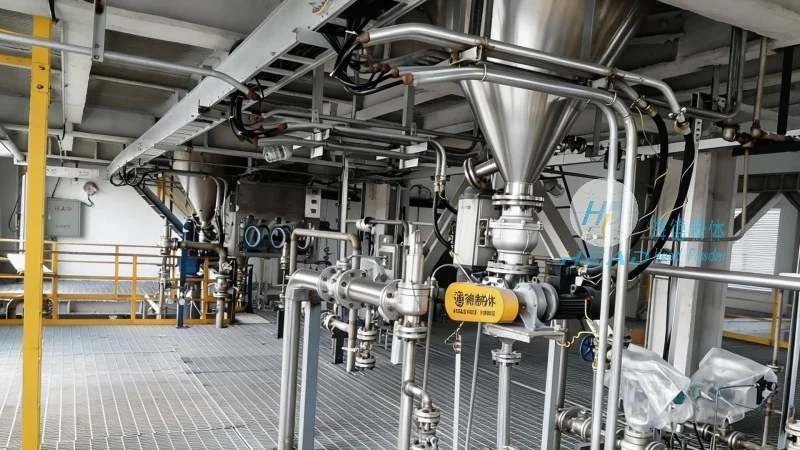
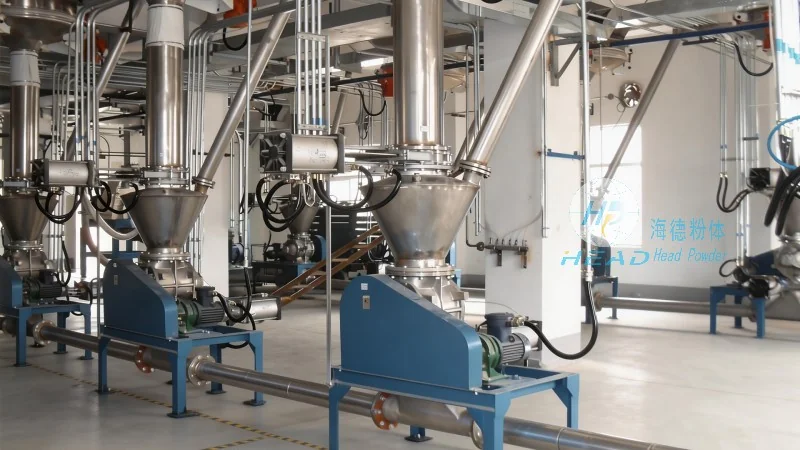
Working Principle of Polypropylene Pneumatic Conveying
Polypropylene pneumatic conveying operates on the principle of transporting solid particles, such as polypropylene pellets or powders, through a pipeline using a moving gas stream. The process typically involves several key components and steps. First, the polypropylene material is introduced into a hopper or feeder. From there, it is fed into a pipeline where a high-velocity air or gas stream is generated, often by a blower or compressor. This air stream creates a pressure differential that propels the polypropylene particles forward through the pipeline. The conveying system may include features like cyclones or separators to separate the conveyed material from the air stream at the receiving end, ensuring efficient material transfer and minimal loss.
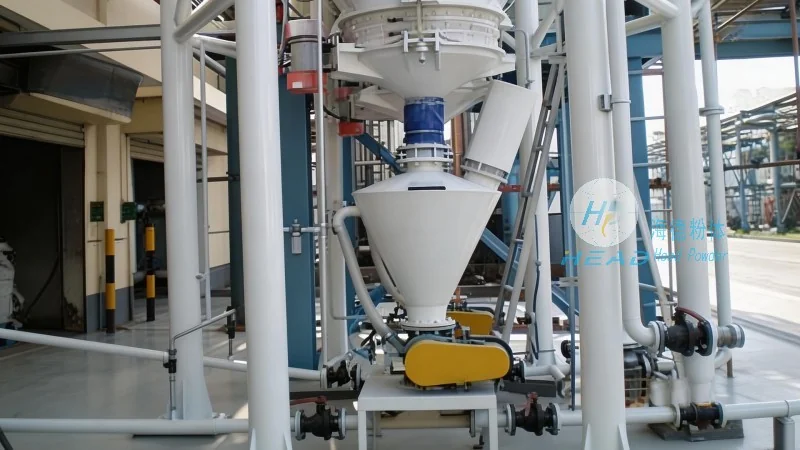
Key Characteristics of Polypropylene Pneumatic Conveying
Several important characteristics define the performance and suitability of polypropylene pneumatic conveying systems. One of the primary advantages is the ability to transport polypropylene materials over long distances with minimal maintenance. The system is also highly effective in preventing contamination, as the material is enclosed within the pipeline, protecting it from external elements and cross-contamination. Additionally, pneumatic conveying offers flexibility in system design, allowing for vertical, horizontal, or mixed configurations to suit different plant layouts. Another significant characteristic is the energy efficiency compared to traditional mechanical conveying methods, particularly for handling fine or abrasive polypropylene powders. The system can handle varying particle sizes and densities, making it versatile for different polypropylene products. Furthermore, the technology provides a clean and dust-free operation, which is essential for maintaining product quality and compliance with environmental regulations.
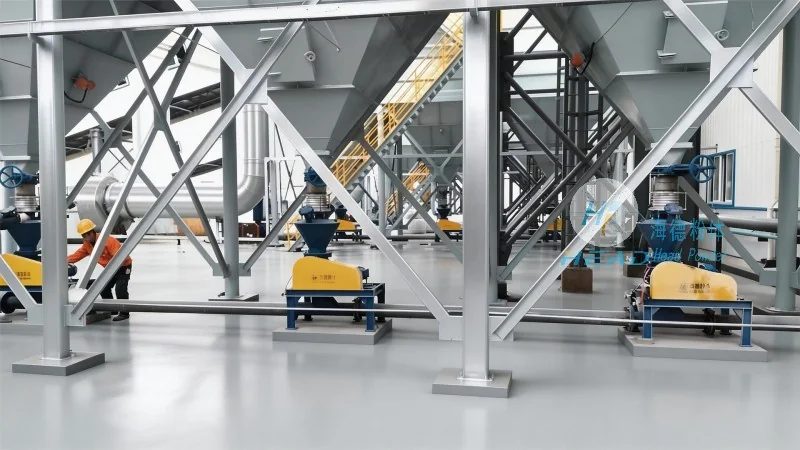
Company Information: Shandong HeadPowder Engineering Co., Ltd.
Shandong HeadPowder Engineering Co., Ltd. specializes in the design, manufacturing, and installation of advanced pneumatic conveying systems tailored for polypropylene and other plastic materials. With a focus on innovation and customer satisfaction, the company leverages decades of industry experience to deliver high-performance solutions. HeadPowder's systems are engineered to meet the specific requirements of polypropylene handling, ensuring reliable and efficient material transport. The company's headquarters is located in Shandong, China, where it operates a state-of-the-art facility dedicated to research, development, and production of conveying equipment. By combining technical expertise with practical application knowledge, HeadPowder provides comprehensive support from system design to on-site installation and maintenance, helping clients optimize their polypropylene handling processes.