For industrial applications involving the transport of glass fiber cellulose materials, efficient and reliable pneumatic conveying systems are essential. This article provides an in-depth exploration of the working principle and key features of glass fiber cellulose pneumatic conveying system equipment, highlighting how these systems enhance material handling processes in various industries.
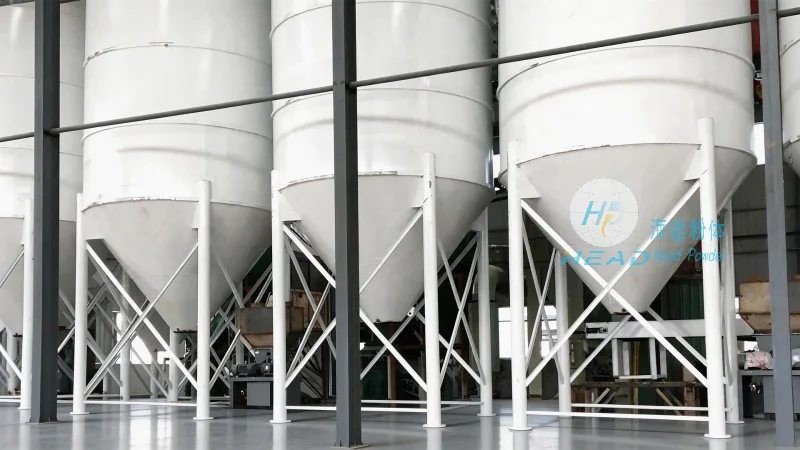
Company Introduction: Shandong HeadPowder Engineering Co., Ltd.
HeadPowder, as the name suggests, is a specialized engineering company dedicated to the design, manufacturing, and installation of advanced material handling solutions. With a strong presence in China, particularly in Shandong, the company has built a reputation for delivering high-quality pneumatic conveying systems tailored to the unique needs of clients across different sectors. The company's commitment to innovation and precision engineering ensures that their equipment meets the rigorous demands of modern industrial operations.
Understanding Pneumatic Conveying Systems
Pneumatic conveying systems utilize air or gas to transport bulk materials through a network of pipes. In the case of glass fiber cellulose, these systems are engineered to handle fine, lightweight, and sometimes abrasive materials with precision. The core components of such a system typically include a material feed hopper, a conveyor line, a control unit, and a dust collection system. The process begins with the material being fed into the hopper, where it is then drawn into the conveyor line by the force of compressed air. This air flow propels the material through the pipes, ensuring a smooth and continuous transfer from the source to the destination.
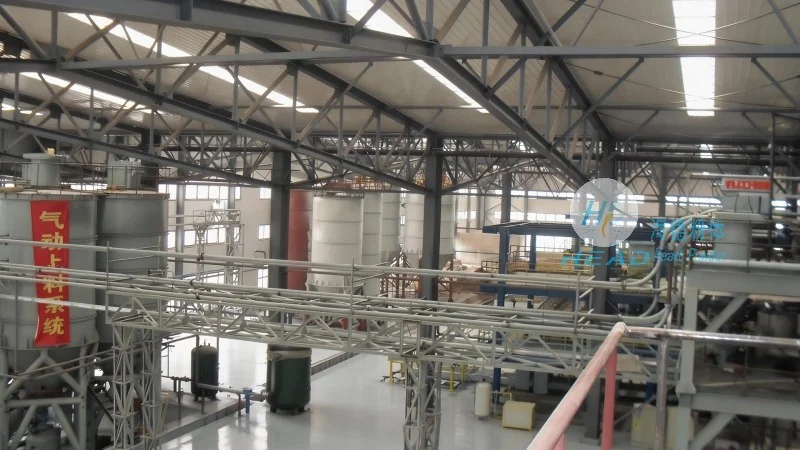
Working Principle of Glass Fiber Cellulose Pneumatic Conveying Systems
The working principle of glass fiber cellulose pneumatic conveying systems revolves around the interaction between the material and the air flow. The system operates on the principle of differential pressure, where the air pressure inside the conveyor line is maintained at a level higher than the ambient pressure, creating a vacuum that pulls the material along. The material feed mechanism, often equipped with a rotary valve or a star feeder, controls the flow rate of the glass fiber cellulose into the system, ensuring consistent and controlled transport. The compressed air, usually supplied by a blower or a fan, provides the necessary energy to move the material through the pipeline. The system is designed to handle varying material characteristics, such as particle size, moisture content, and bulk density, while maintaining efficiency and minimizing material degradation.
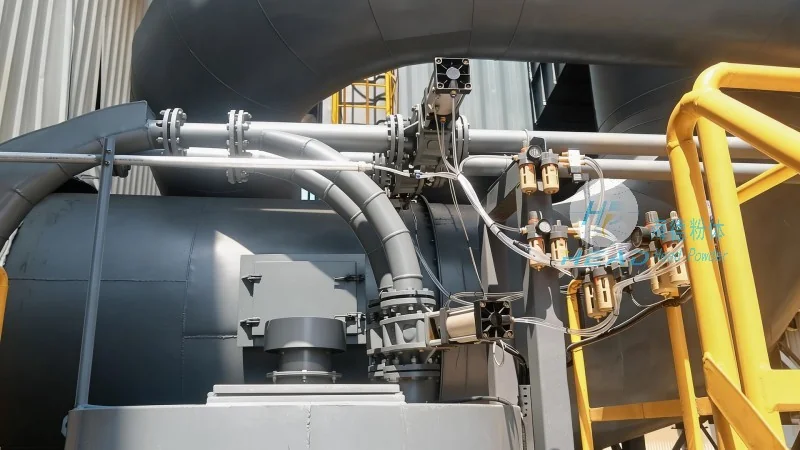
Key Features of Glass Fiber Cellulose Pneumatic Conveying Equipment
HeadPowder's glass fiber cellulose pneumatic conveying systems are characterized by several key features that set them apart in the industry. Firstly, the systems are designed for high efficiency, with minimal energy consumption and low maintenance requirements. The use of high-quality materials and robust construction ensures durability and long service life. The systems are also equipped with advanced control systems that allow for precise regulation of material flow, pressure, and air volume, enabling operators to optimize performance based on specific application requirements. Another notable feature is the integration of dust collection and filtration systems, which help maintain air quality and comply with environmental regulations. The equipment is also designed for easy integration into existing production lines, with modular components that can be customized to fit various space constraints and operational needs.
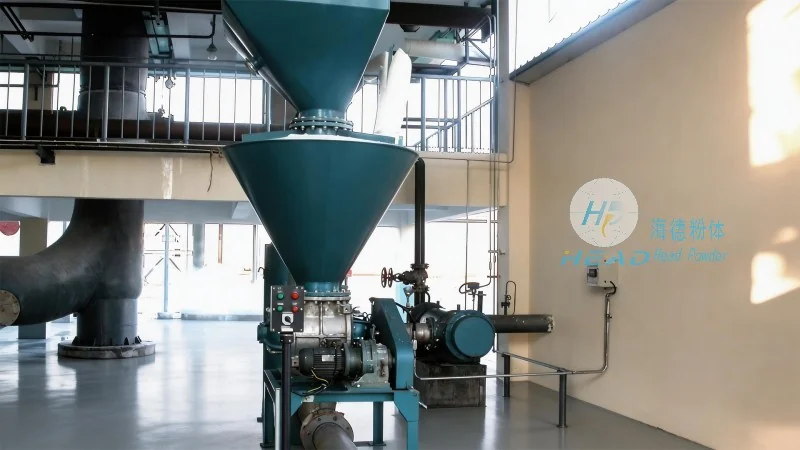
Applications and Benefits in Industrial Settings
Glass fiber cellulose pneumatic conveying systems find wide applications in industries such as paper manufacturing, textile production, and construction materials processing. The systems offer significant benefits, including reduced labor costs, increased safety by eliminating manual handling of materials, and improved process efficiency. By automating the material transport process, these systems help minimize downtime and enhance overall productivity. The ability to handle fine and abrasive materials without causing damage or contamination makes the systems particularly valuable in applications where material integrity is critical. Additionally, the systems contribute to better workplace safety by reducing the risk of dust exposure and other health hazards associated with traditional material handling methods.
Conclusion
In conclusion, glass fiber cellulose pneumatic conveying systems are sophisticated equipment designed to efficiently transport fine materials with precision and reliability. The working principle, based on differential pressure and controlled air flow, ensures smooth and consistent material transfer. Key features such as high efficiency, durability, and advanced control systems make these systems ideal for various industrial applications. HeadPowder, with its expertise in engineering and manufacturing, provides top-tier solutions that meet the evolving needs of modern industries. By investing in such systems, businesses can enhance their operational efficiency, improve safety standards, and achieve better overall performance in material handling processes.




