Limestone is a crucial raw material in various industrial applications, including cement production, construction, and chemical manufacturing. Efficient and reliable material handling systems are essential to ensure smooth operations and optimal performance in processing limestone. This article provides an overview of the working principles and key features of limestone material handling systems, highlighting the technology and design elements that contribute to their effectiveness.
Working Principle of Limestone Material Handling Systems
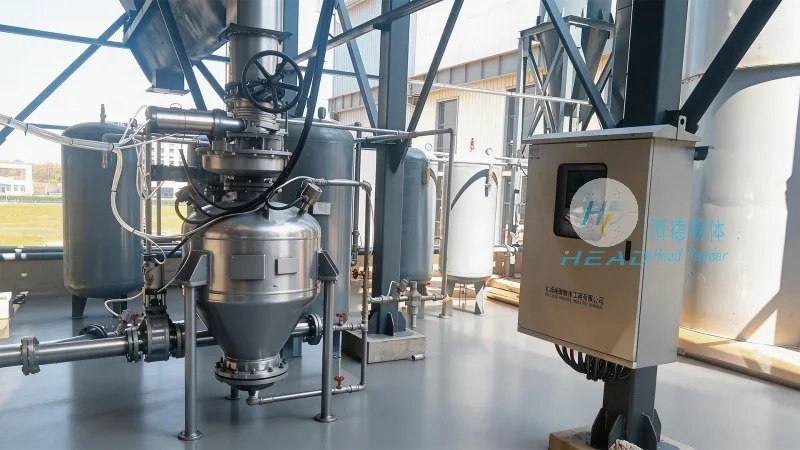
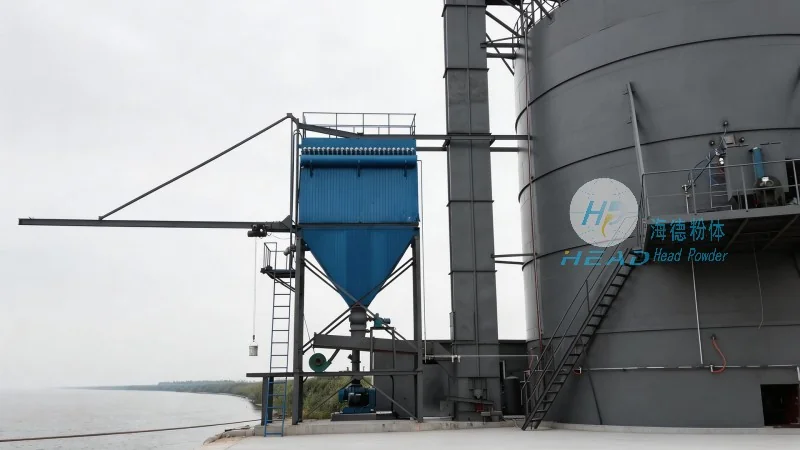
HeadPowder Engineering Co., Ltd., a leading provider of material handling solutions, specializes in designing and manufacturing systems tailored for limestone transport. The working principle of a typical limestone material handling system involves several key components and processes. First, limestone is typically stored in bulk storage facilities such as silos or stockpiles. From there, it is transferred to the processing plant through a series of conveyors, feeders, and elevators. The system often starts with a primary conveyor that moves the limestone from the storage area to the processing unit. This initial step ensures that the material is moved in a controlled manner, minimizing spillage and dust generation. Following the primary conveyor, a feeder or a series of feeders may be used to regulate the flow rate of limestone into the subsequent processing equipment. This regulation is critical to maintain consistent material feed, which is vital for the efficiency of downstream processes like grinding or mixing. Next, elevators or vertical conveyors may be employed to transport limestone to higher levels or different sections of the plant. These vertical components are essential for overcoming elevation changes and ensuring that the material reaches the required processing points. Finally, the limestone is delivered to the processing equipment, where it undergoes further treatment to meet the specific requirements of the end product. The entire process is typically automated, with sensors and control systems monitoring the flow and ensuring that the system operates within optimal parameters.
Key Features of Limestone Material Handling Systems
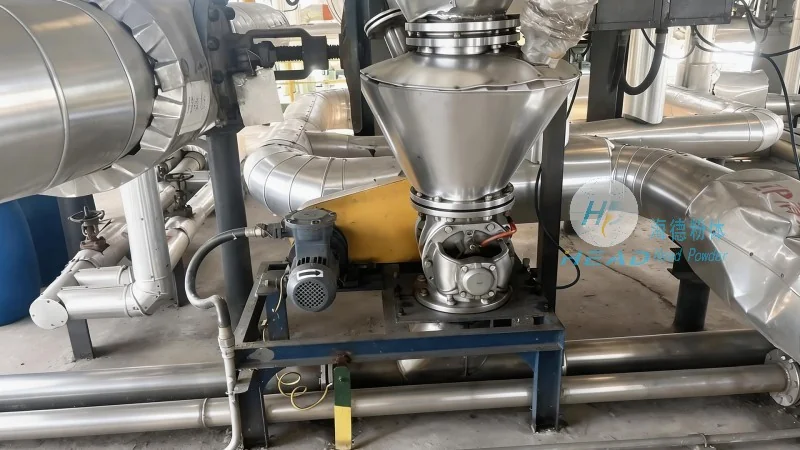
The features of limestone material handling systems are designed to enhance performance, safety, and efficiency. One of the primary features is the use of robust and durable equipment capable of handling the abrasive nature of limestone. Limestone is a hard, crystalline rock that can cause wear and tear on machinery, so systems are equipped with high-quality components such as wear-resistant liners, heavy-duty bearings, and reinforced structures. This durability ensures that the system can operate for extended periods without frequent maintenance or replacement of parts. Another important feature is the integration of dust control measures. Limestone handling often generates significant dust, which can be hazardous to workers and detrimental to the environment. Modern systems incorporate dust suppression systems, such as water sprayers or enclosed conveyors, to minimize dust emissions and maintain a safe working environment. Additionally, the systems are designed for high capacity and reliability. They are engineered to handle large volumes of limestone, often with the ability to adjust the flow rate to match production demands. This flexibility allows the system to adapt to varying production schedules and ensure that the processing plant operates at maximum efficiency. The use of advanced control systems is also a key feature, enabling real-time monitoring and adjustment of the material flow. These systems can detect changes in material level, flow rate, or equipment performance and automatically adjust to maintain optimal operation. Furthermore, the design of the system emphasizes safety and compliance with industry standards. Safety features include emergency stop buttons, protective guards, and regular maintenance schedules to ensure that the equipment operates safely and meets regulatory requirements. The overall design of the limestone material handling system is tailored to the specific needs of the application, whether it is for cement production, construction materials, or chemical processing. By incorporating these features, the system ensures that limestone is handled efficiently, safely, and reliably, contributing to the overall success of the industrial process.
Conclusion
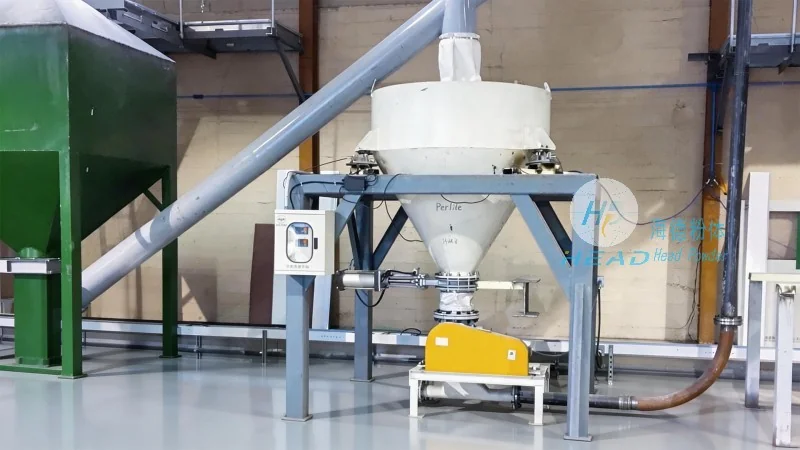
In conclusion, limestone material handling systems are critical components in industrial operations that process limestone. The working principle involves a series of conveyors, feeders, and elevators that transport limestone from storage to processing units. Key features include durable equipment, dust control measures, high capacity, advanced control systems, and safety features. These elements work together to ensure efficient, safe, and reliable handling of limestone, supporting the production of high-quality end products. HeadPowder Engineering Co., Ltd. specializes in providing such systems, leveraging their expertise to deliver solutions that meet the specific requirements of their clients. With a focus on durability, efficiency, and safety, their limestone material handling systems are designed to enhance the performance of industrial processes and contribute to the success of their customers' operations.




