Working Principle and Features of Adipic Acid Material Handling Systems
Release time:2026-09-17 18:01:22
name of the company:Shandong Headpowder Engineering Co., Ltd.
telephone:156-6277-7102
contacts:Zhang manager
Adipic acid, a vital chemical intermediate widely used in the production of nylon and other polymeric materials, requires efficient and reliable material handling systems to ensure smooth industrial operations. These systems are integral to the chemical processing sector, enabling the safe and effective transportation of adipic acid from storage to processing units. This article explores the working principles and distinctive features of adipic acid material handling systems, providing insights into their design, functionality, and application in industrial settings.
Working Principle of Adipic Acid Material Handling Systems
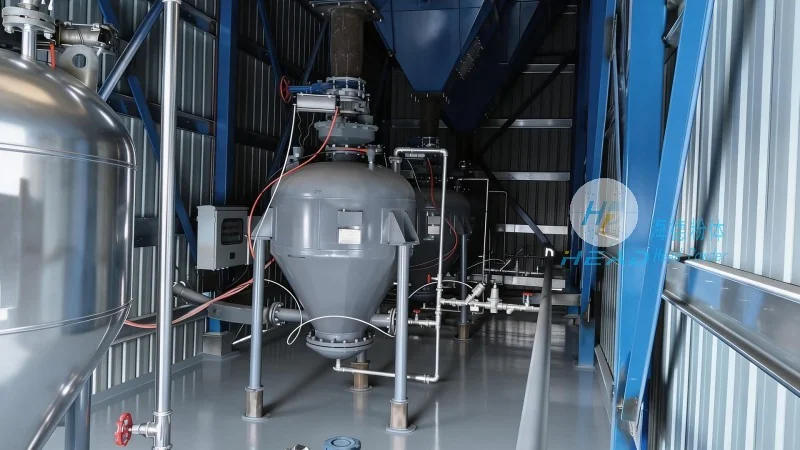
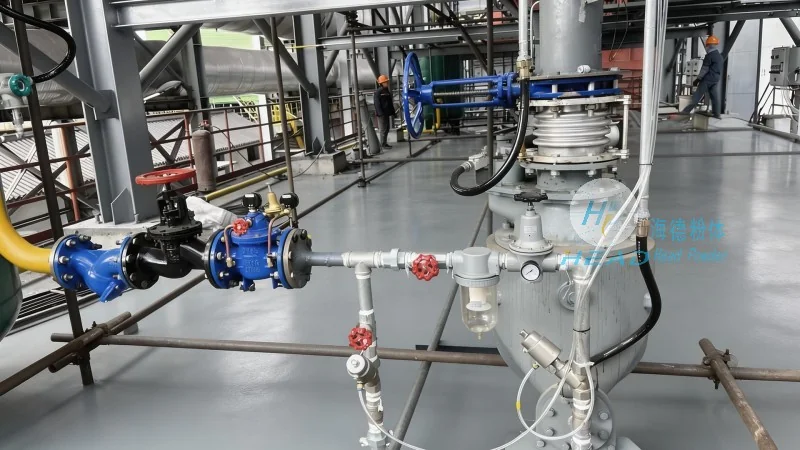
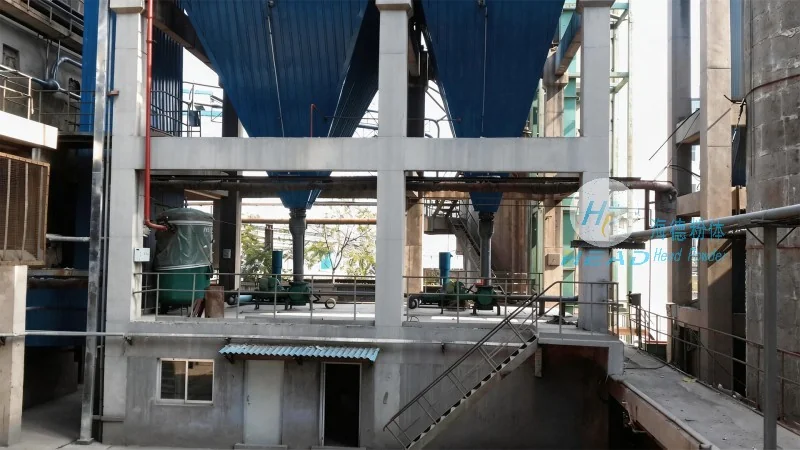
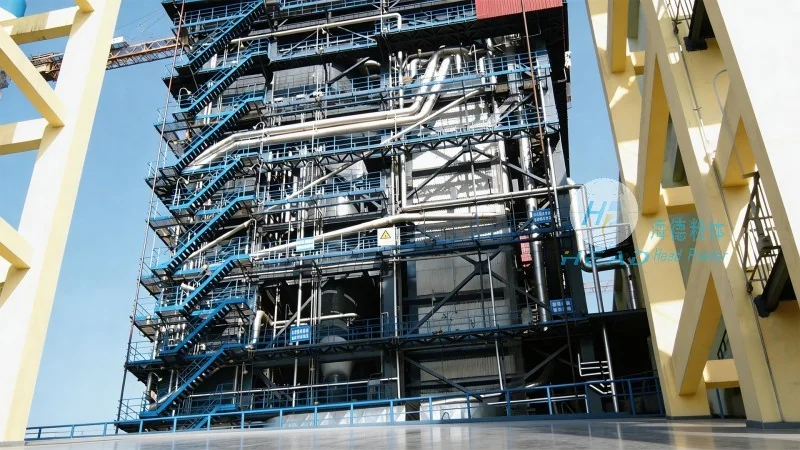
The working principle of adipic acid material handling systems typically involves a series of interconnected components and processes optimized for handling the material's bulk and chemical properties. The system generally starts with the storage of adipic acid in specialized silos or tanks, where the material is maintained under controlled conditions to prevent degradation or contamination. From these storage vessels, the material is transferred to a conveyor system, which may include screw conveyors, belt conveyors, or pneumatic conveying lines, depending on the specific operational requirements of the facility. The conveyor system is constructed using materials such as stainless steel or corrosion-resistant alloys to withstand the acidic nature of adipic acid and ensure long-term durability. The transfer process is carefully controlled to maintain the material's integrity, preventing issues like caking or agglomeration that could disrupt downstream processing. Additionally, the system incorporates level sensors and flow meters to monitor the material's position and flow rate, enabling precise control over handling operations. This integrated approach minimizes material loss, reduces downtime, and enhances overall operational efficiency.
Key Features of Adipic Acid Material Handling Systems
Adipic acid material handling systems are distinguished by several key features that set them apart from conventional material handling solutions. Firstly, the systems are engineered to handle the corrosive properties of adipic acid, utilizing high-quality materials like stainless steel, Hastelloy, or other corrosion-resistant alloys in the construction of hoppers, chutes, and conveyor components. This ensures the equipment's longevity and reliability in harsh chemical environments. Secondly, the systems prioritize operational efficiency and reliability, incorporating robust mechanisms that can handle large volumes of adipic acid while minimizing maintenance requirements. Automated controls and sensors are integrated to maintain consistent performance and reduce the need for manual intervention. Thirdly, safety is a paramount consideration, with features such as explosion-proof designs, dust suppression systems, and emergency shut-off mechanisms to protect personnel and equipment from potential hazards. Furthermore, the systems are often modular and scalable, allowing for seamless integration into existing production lines or expansion as production demands grow. These combined features make adipic acid material handling systems a critical asset in the chemical industry, enabling manufacturers to meet production targets while adhering to safety and efficiency standards.




