HeadPowder, a leading manufacturer based in Shandong, China, specializes in the design, development, and production of advanced material handling solutions. Our company, Shandong HeadPowder Engineering Co., Ltd., has been dedicated to providing efficient and reliable equipment for various industrial applications, including automatic loading and unloading systems. This article explores the working principle and key features of such equipment, highlighting how they enhance operational efficiency and productivity in modern manufacturing environments.
Working Principle of Automatic Loading and Unloading Material Handling Equipment
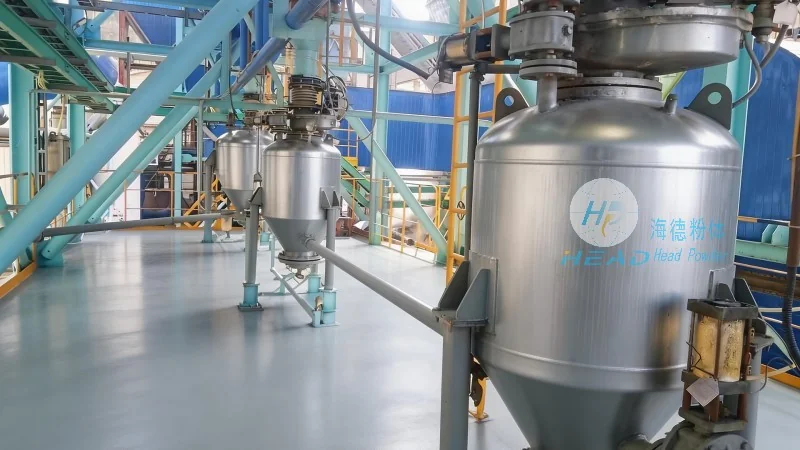
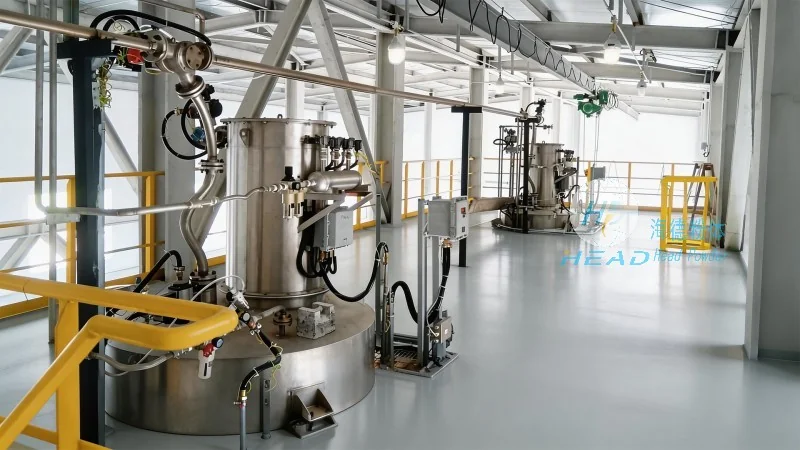
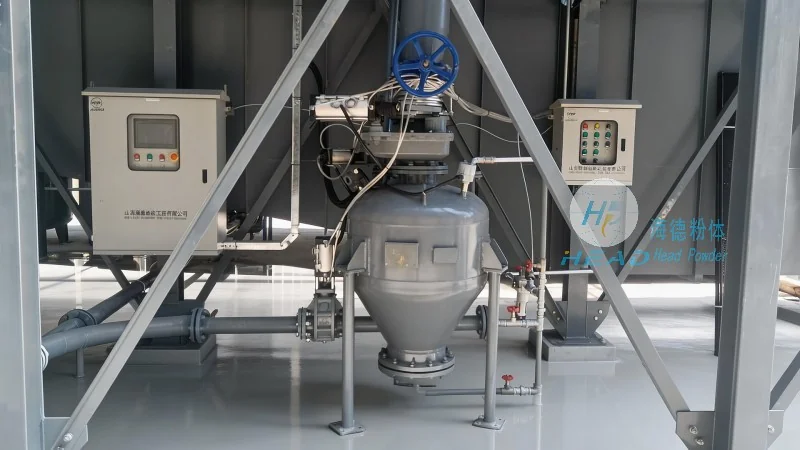
The working principle of automatic loading and unloading material handling equipment typically involves a series of integrated mechanisms designed to handle the movement of materials from one location to another without manual intervention. At the core of these systems is a combination of sensors, actuators, and control systems that work in tandem to ensure precise and safe operation. The process generally begins with the identification of the material to be handled, often through visual or proximity sensors. Once detected, the system activates the appropriate actuators, such as conveyor belts, robotic arms, or pneumatic cylinders, to move the material. The control system, usually a programmable logic controller (PLC), coordinates the sequence of operations, ensuring that each step is executed in the correct order. This automation eliminates the need for human labor in repetitive tasks, reducing the risk of errors and increasing overall throughput. The equipment is also equipped with safety features, such as emergency stop buttons and collision detection sensors, to protect both the materials and the operators. By leveraging advanced technology, these systems can adapt to different material types and sizes, making them versatile for various industrial settings.
Key Features of Automatic Loading and Unloading Material Handling Equipment
Automatic loading and unloading material handling equipment offers several distinct features that set them apart from traditional manual systems. One of the primary features is high efficiency, as these machines can operate continuously without breaks, significantly increasing production rates. The equipment is designed for durability and reliability, with robust components that can withstand heavy usage and harsh environments. Another notable feature is flexibility, as many models can be customized to fit specific operational requirements, such as different conveyor lengths, speeds, or material handling capacities. The integration of sensors and control systems provides real-time monitoring and data collection, allowing for better process optimization and maintenance planning. Additionally, these systems enhance safety by minimizing human exposure to hazardous tasks, reducing the risk of workplace accidents. The automation also contributes to cost savings, as it reduces labor costs and minimizes material damage during handling. Furthermore, the equipment is designed for easy maintenance, with accessible components and diagnostic tools that help identify and resolve issues quickly. These features collectively make automatic loading and unloading equipment an essential component in modern industrial operations, improving overall productivity and operational efficiency.




