Clay material handling equipment is a critical component in various industrial processes, particularly in the chemical and pharmaceutical sectors where the efficient transport of clay materials is essential for maintaining production efficiency and product quality. This article will delve into the working principles and key features of such equipment, providing a comprehensive overview for industry professionals and potential clients.
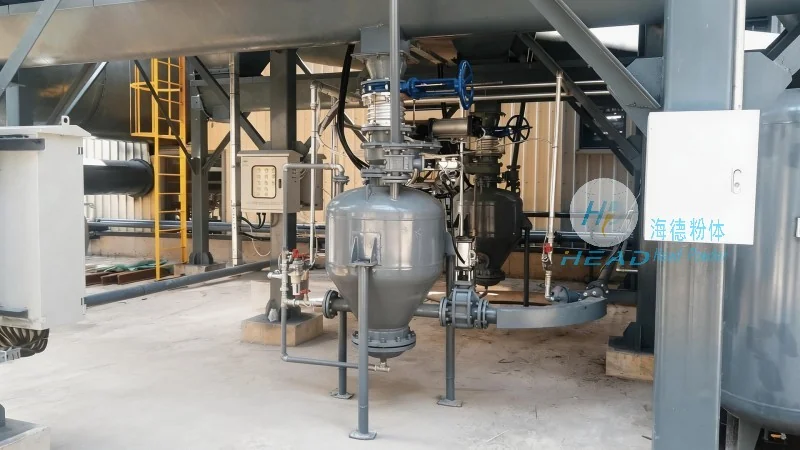
Working Principle of Clay Material Handling Equipment
The operation of clay material handling equipment typically involves several interconnected steps designed to ensure the safe and efficient movement of clay materials from one location to another. The process begins with the loading of clay into the equipment, which may be done manually or through automated feeding systems. Once loaded, the equipment uses mechanical components such as conveyors, belts, or screw mechanisms to transport the clay. These components are engineered to handle the specific properties of clay, including its moisture content, density, and particle size, ensuring minimal material degradation during transport. The equipment may also incorporate features like vibration or agitation to prevent clogging and maintain consistent flow rates. The final stage involves unloading the clay at the desired destination, completing the material handling cycle. Overall, the working principle emphasizes precision, reliability, and adaptability to the unique characteristics of clay materials.
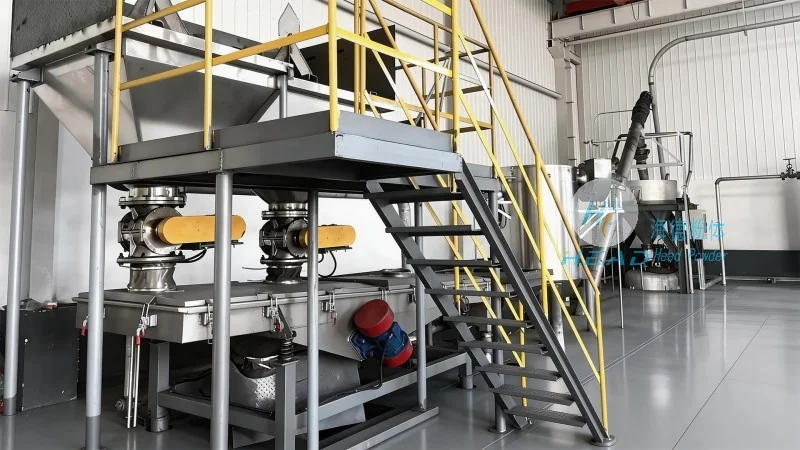
Key Features of Clay Material Handling Equipment
Clay material handling equipment from Shandong HeadPowder Engineering Co., Ltd. (headpowder) is distinguished by several advanced features that enhance performance and operational efficiency. One notable feature is the use of high-quality, durable materials in construction, such as stainless steel or corrosion-resistant alloys, which ensures longevity and resistance to the abrasive nature of clay. The equipment is also designed with adjustable speed controls, allowing operators to optimize the transport rate based on the specific requirements of the process. Additionally, many models incorporate automated monitoring systems that track key parameters like temperature, moisture content, and flow rate, providing real-time data for process control. Another important feature is the integration of safety mechanisms, including overload protection and emergency stop functions, to prevent accidents and ensure operator safety. The equipment is also engineered for easy maintenance, with accessible components and modular designs that simplify repairs and reduce downtime. These features collectively contribute to improved productivity, reduced operational costs, and enhanced overall performance in clay handling applications.
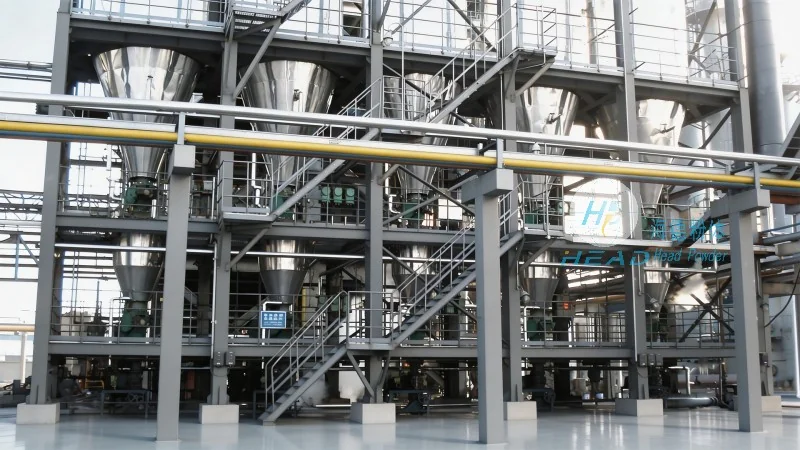
Application and Industry Relevance
Clay material handling equipment is widely used in industries where clay is a primary raw material, including pharmaceutical manufacturing, chemical processing, and food production. In pharmaceutical applications, the equipment ensures the hygienic and controlled transport of clay used in the production of tablets and other dosage forms. In chemical processing, it facilitates the efficient movement of clay in processes like filtration and drying. The equipment's ability to handle varying clay compositions and moisture levels makes it versatile for different industrial needs. By providing reliable and efficient material transport, these systems contribute to smoother production workflows and higher product yields. The technology behind clay material handling equipment continues to evolve, with ongoing advancements in automation and material handling efficiency, further enhancing its role in modern industrial operations.




