When it comes to handling rare earth powders, specialized equipment is essential to ensure efficiency, safety, and product integrity. The working principle and features of rare earth powder material handling equipment are designed to address the unique challenges posed by these materials, which are often fine, abrasive, and sensitive to contamination. This article explores the core mechanisms behind such equipment and highlights the key characteristics that make them suitable for industrial applications.
Working Principle of Rare Earth Powder Material Handling Equipment
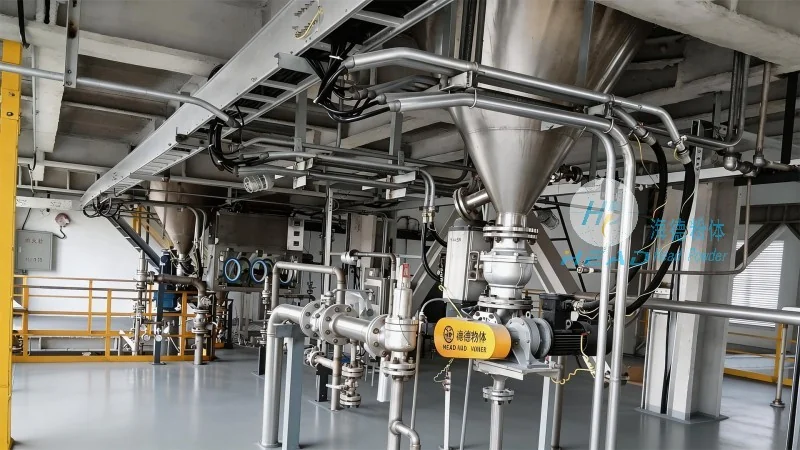
The primary working principle of rare earth powder handling systems revolves around the use of enclosed, dust-tight mechanisms to transport powders from one location to another without exposing them to the environment or vice versa. These systems typically employ a combination of components, including feeders, conveyors, and control units, to achieve a continuous and controlled flow of material. The process begins with the material being fed into a hopper or storage container. From there, it is transferred to a conveyor system, which may use methods like screw conveyors, pneumatic conveying, or belt conveyors depending on the specific application and material properties. The enclosed design is crucial as rare earth powders can be hazardous if inhaled or can cause contamination if exposed to air or moisture. By maintaining a sealed environment, the equipment prevents dust emissions and ensures that the material remains in its original state throughout the transfer process. Control systems, often integrated with sensors and automation, monitor the flow rate, pressure, and other parameters to maintain optimal operation and prevent issues like blockages or overloading.
Key Features of Rare Earth Powder Material Handling Equipment
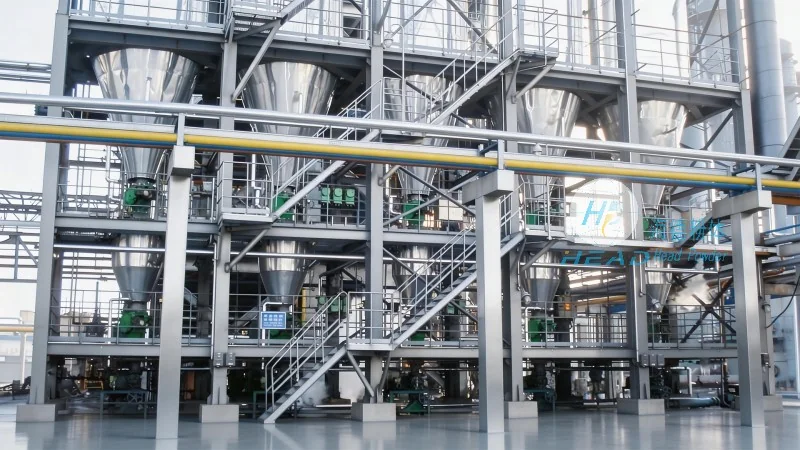
Several key features distinguish high-quality rare earth powder handling equipment, making them ideal for industrial use. First, the equipment is designed with a focus on dust containment and explosion prevention. This is achieved through the use of explosion-proof motors, sealed housings, and proper ventilation systems that safely vent any potential gases without releasing dust particles. Second, the materials used in the construction of the equipment are often corrosion-resistant and wear-resistant to withstand the abrasive nature of rare earth powders. Common materials include stainless steel, special alloys, and high-quality plastics that can handle the chemical and physical stresses of the material. Third, the equipment is equipped with advanced control systems that allow for precise control over the flow rate and pressure. This precision is critical for maintaining the quality of the powder, as variations in flow can affect its properties and usability. Additionally, many systems include features like automatic cleaning mechanisms and easy access points for maintenance, which help to reduce downtime and operational costs. The design also prioritizes safety, with features such as emergency stop buttons, interlocks, and monitoring systems that alert operators to any abnormalities in the process.
Applications and Benefits in Industrial Settings
Rare earth powder handling equipment is widely used in various industries, including electronics, automotive, and renewable energy. In the electronics industry, these materials are used in the production of magnets and phosphors, where their purity and consistency are paramount. The equipment ensures that the powders are handled without contamination, which is essential for maintaining the performance of the final products. In the automotive sector, rare earth elements are used in catalytic converters and batteries, and the handling equipment helps to maintain the quality of the materials used in these components. The benefits of using such specialized equipment extend beyond just material quality; they also include improved safety for operators, reduced environmental impact by minimizing dust emissions, and increased efficiency through automated and controlled processes. By investing in high-quality rare earth powder handling equipment, companies can enhance their production processes, reduce costs associated with material loss or contamination, and ensure compliance with environmental regulations.
Conclusion and Company Overview
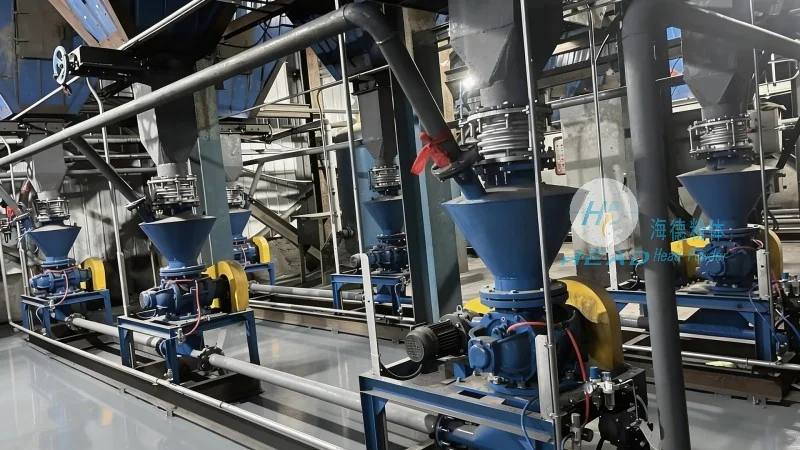
In conclusion, the working principle and features of rare earth powder material handling equipment are tailored to meet the unique demands of handling these valuable and often hazardous materials. The enclosed, controlled systems and advanced features ensure that the powders are transported safely and efficiently, maintaining their quality and integrity throughout the process. As a leading provider in this field, Shandong HeadPowder Engineering Co., Ltd., operating under the brand name headpowder, specializes in designing and manufacturing such equipment to meet the needs of various industries. With a focus on innovation and quality, the company has established itself as a trusted partner for businesses requiring reliable and efficient rare earth powder handling solutions. Based in Shandong, China, headpowder leverages its expertise and local resources to deliver equipment that meets the highest standards of performance and safety, supporting the growth and success of its clients in the global market.




