Pneumatic conveying systems are widely utilized in the handling and transportation of sand particle materials across various industrial sectors. This method involves the use of air or gas to transport solid particles through a pipeline, offering a flexible and efficient solution for material movement. For applications involving sand, such as in construction, mining, and manufacturing processes, understanding the working principle and key characteristics of pneumatic conveying is crucial for optimizing operational efficiency and ensuring reliable material transport.
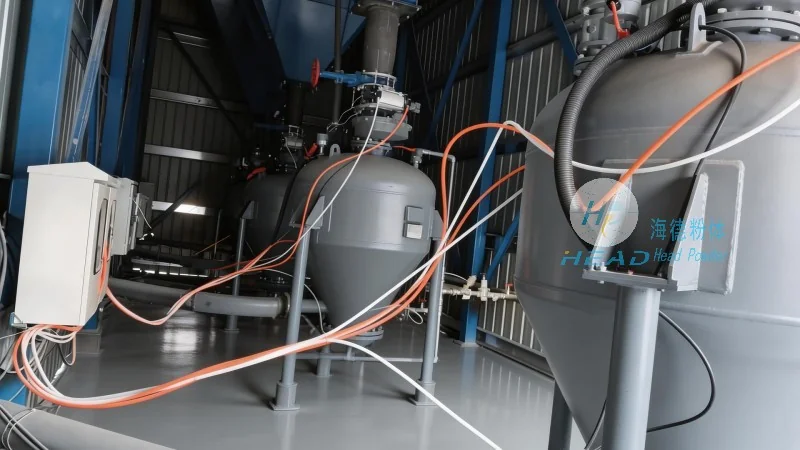
Working Principle of Pneumatic Conveying Systems
The fundamental working principle of pneumatic conveying for sand particle materials relies on the creation of a pressure differential within the conveying pipeline. A blower or compressor generates a flow of air that moves the sand particles through the system. There are two primary types of pneumatic conveying: pressure and vacuum systems. In pressure systems, the conveying line is pressurized, and the sand is introduced into the line under pressure, moving towards the destination. Vacuum systems, on the other hand, use a vacuum at the receiving end to draw the sand particles into the line. The selection of the appropriate system depends on factors such as the distance to be covered, the volume of material, and the required flow rate. The process typically involves feeding the sand particles into the conveying line, where they are entrained by the air flow and transported to the desired location. At the receiving end, the air is separated from the sand, often through a cyclone or filter, allowing the sand to be discharged while the air is either recirculated or vented.
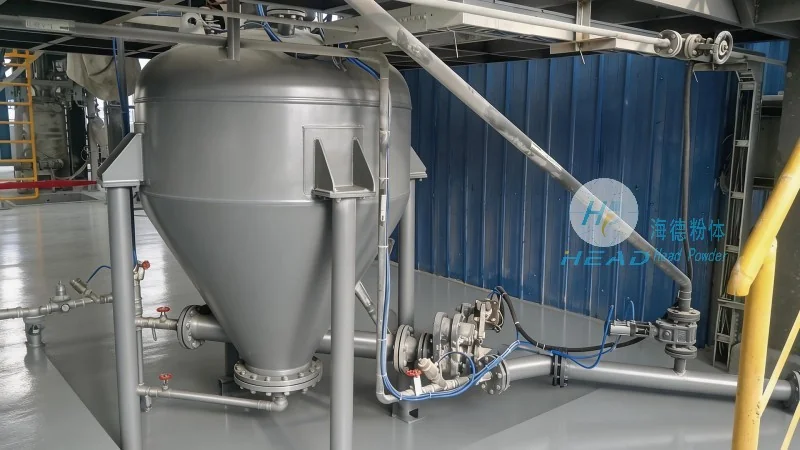
Key Characteristics of Pneumatic Conveying for Sand Particles
Several distinct characteristics define the performance of pneumatic conveying systems when handling sand particle materials. Firstly, the system offers high flexibility in terms of layout and routing. Unlike traditional bulk material handling methods, pneumatic conveying can be easily reconfigured to accommodate changes in production processes or facility expansions. This adaptability is particularly valuable in dynamic industrial environments where operational requirements may evolve over time. Secondly, the system provides a dust-free and enclosed transport process, which is essential for maintaining environmental standards and ensuring workplace safety. By containing the sand particles within the pipeline, the system minimizes dust emissions and reduces the risk of respiratory issues for workers. Thirdly, pneumatic conveying enables continuous and automated material handling, which enhances productivity and reduces labor costs. The system can operate continuously without the need for manual intervention, allowing for seamless integration with other production processes. Additionally, the technology allows for the transport of sand particles over long distances with minimal energy consumption compared to other methods like trucking or conveyor belts. The efficiency of the system is further enhanced by the ability to handle a wide range of particle sizes and shapes, making it suitable for various types of sand materials, including fine, coarse, and mixed sand particles.
Application Scenarios and Benefits
Pneumatic conveying for sand particle materials finds extensive applications in multiple industries. In the construction industry, it is commonly used for transporting sand from storage silos to mixing plants or concrete production sites. The system ensures a consistent and controlled flow of sand, which is critical for maintaining the quality of concrete mixes. In mining operations, pneumatic conveying is employed to transport sand from processing facilities to storage areas or for further processing. This method reduces the need for heavy machinery and minimizes the environmental impact of material handling. In manufacturing, the technology is utilized in sandblasting and foundry processes, where sand particles are conveyed to and from processing equipment. The benefits of using pneumatic conveying in these applications include improved operational efficiency, reduced downtime, and enhanced product quality. Furthermore, the system contributes to cost savings by minimizing material loss and reducing the need for manual handling, which can be labor-intensive and prone to errors.
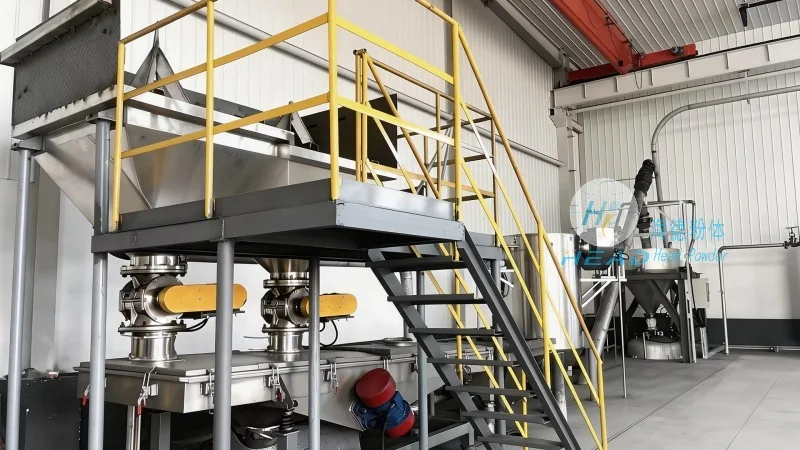
Company Profile: Shandong HeadPowder Engineering Co., Ltd.
As a leading provider of pneumatic conveying solutions, Shandong HeadPowder Engineering Co., Ltd. specializes in designing, manufacturing, and installing advanced systems tailored to the specific needs of clients handling sand particle materials. With a strong commitment to innovation and quality, the company has established itself as a trusted partner in the industry. HeadPowder's expertise lies in understanding the unique challenges associated with sand particle handling and developing customized solutions that address these challenges effectively. The company's team of engineers and technicians brings extensive experience in pneumatic conveying technology, ensuring that each system is optimized for maximum performance and reliability. HeadPowder's facilities are equipped with state-of-the-art equipment and adheres to strict quality control standards, guaranteeing that all products meet or exceed industry specifications. The company's dedication to customer satisfaction and technical excellence has earned it a reputation for delivering high-quality solutions that enhance operational efficiency and contribute to the success of its clients. HeadPowder serves clients across various sectors, providing tailored pneumatic conveying systems that meet their specific requirements and support their long-term growth objectives.




