Shandong HeadPowder Engineering Co., Ltd., commonly known as headpowder, specializes in providing advanced solutions for material handling, particularly in the efficient and reliable transportation of gypsum powder and dust materials through pneumatic conveying systems. With a strong presence in China, the company leverages its expertise to deliver tailored solutions that meet the specific needs of various industrial applications.
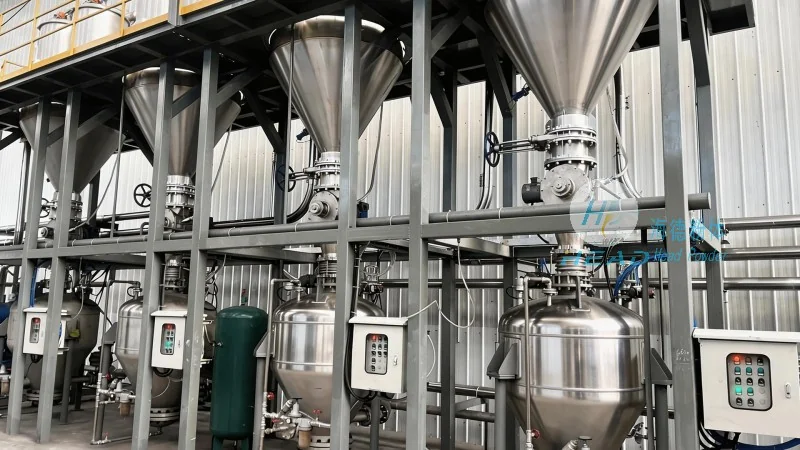
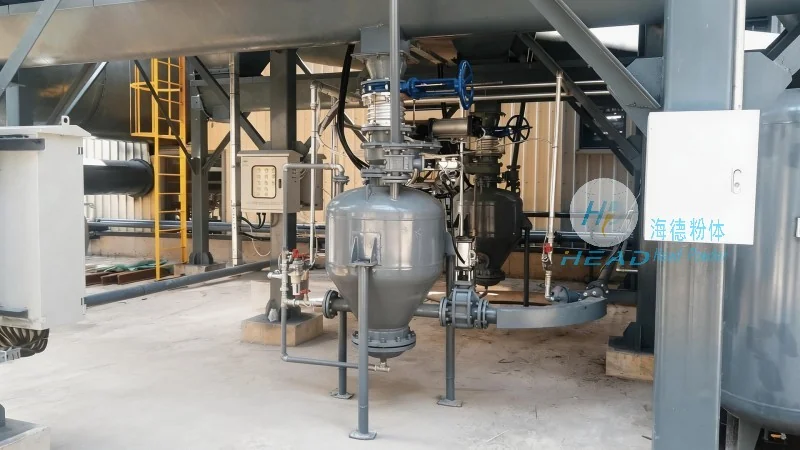
Working Principle of Pneumatic Conveying for Gypsum Powder and Dust Materials
Pneumatic conveying, as a core technology in material handling, operates by using a pressurized or vacuum system to transport bulk materials like gypsum powder and dust through a pipeline. The process typically involves a few key components and steps. First, the material is introduced into the conveying system, often through a hopper or feeder. Then, air is supplied to create a flow that moves the material along the pipeline. This can be achieved through positive pressure systems, where air is blown into the pipeline to push the material, or negative pressure systems, where air is drawn out to pull the material. The choice between these systems depends on factors such as the material's properties, the distance to be conveyed, and the desired flow rate. For gypsum powder and dust, which are often fine and can be prone to caking or dusting, the system is designed to maintain consistent flow and prevent blockages. The conveying process ensures that the material is transported safely and efficiently, minimizing the risk of contamination and ensuring that the material reaches its destination without degradation.
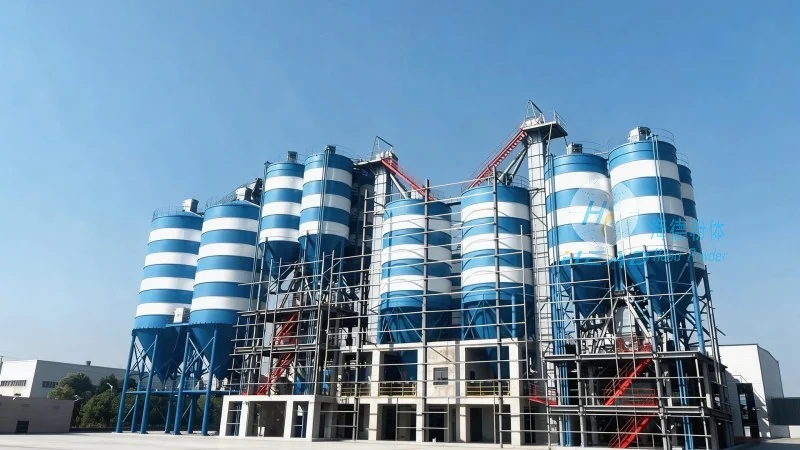
Key Characteristics of Pneumatic Conveying for Gypsum Powder and Dust Materials
The pneumatic conveying systems used for gypsum powder and dust materials exhibit several notable characteristics that make them highly effective in industrial settings. One of the primary advantages is their ability to handle fine and dusty materials without the need for mechanical components that might cause wear or contamination. Unlike traditional belt or screw conveyors, pneumatic systems use air to move the material, reducing the risk of material degradation and ensuring that the product remains in its original state. Another key characteristic is the flexibility of the system, which allows for easy integration into existing production lines and the ability to transport materials over long distances with minimal maintenance. The systems are also designed to be energy-efficient, with optimized air flow rates that reduce operational costs while maintaining high throughput. Additionally, the enclosed nature of the conveying pipeline helps to contain dust and prevent environmental contamination, which is crucial for compliance with industrial regulations. The systems are also capable of handling varying material loads and flow rates, making them adaptable to different production requirements. Overall, the characteristics of these pneumatic conveying systems make them a preferred choice for industries dealing with gypsum powder and dust, offering reliability, efficiency, and environmental benefits.
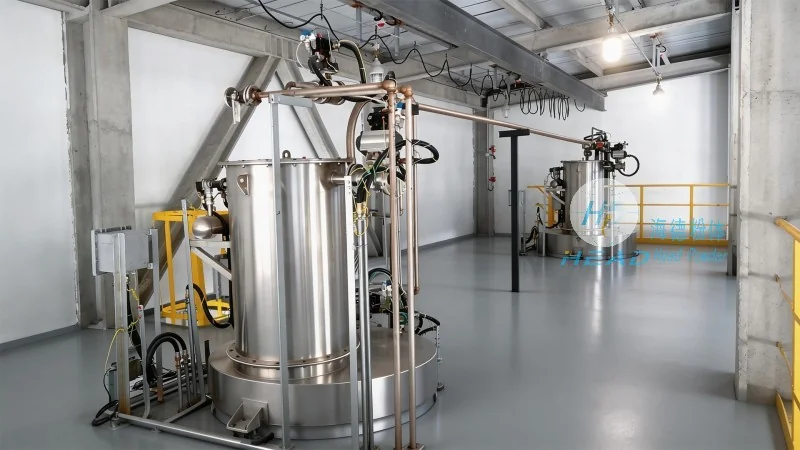
Benefits and Applications in Gypsum Processing
For industries involved in gypsum processing, such as the production of drywall, plaster, or other building materials, pneumatic conveying offers significant benefits. The technology ensures that gypsum powder and dust are transported in a controlled manner, maintaining the material's quality and preventing dust emissions that could affect workplace safety or environmental standards. The systems are particularly useful in applications where the material needs to be moved from storage silos to processing equipment or between different stages of production. By using pneumatic conveying, companies can achieve higher throughput and reduce downtime associated with manual handling or mechanical conveyor failures. The systems are also scalable, allowing for adjustments to meet changing production demands without major modifications. In addition, the enclosed design of the conveying lines helps to maintain a clean and safe working environment, reducing the risk of respiratory issues or other health hazards associated with handling fine powders. Overall, the benefits of pneumatic conveying for gypsum powder and dust materials extend beyond mere transportation, contributing to improved operational efficiency, product quality, and workplace safety.




