Shandong HeadPowder Engineering Co., Ltd., a leading manufacturer based in Shandong, China, specializes in the design, production, and supply of advanced pneumatic conveying systems tailored for various industrial applications. Among their product portfolio is the specialized equipment for handling methylcellulose materials, which are widely used in pharmaceuticals, food processing, and other industries due to their unique properties such as high viscosity and hygroscopic nature. This article delves into the working principle and key features of the pneumatic conveying equipment designed for methylcellulose, providing insights into how it efficiently manages these challenging materials.
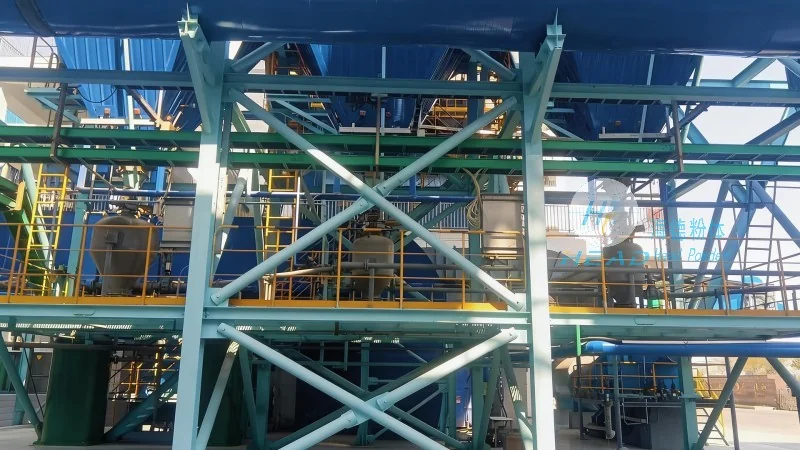
Pneumatic Conveying Equipment for Methylcellulose: An Overview
HeadPowder's pneumatic conveying systems for methylcellulose are engineered to address the specific challenges associated with transporting this material. Methylcellulose, a non-ionic cellulose ether, is known for its high moisture absorption and tendency to clump or agglomerate, which can impede traditional conveying methods. The equipment developed by HeadPowder leverages advanced technology to ensure smooth, reliable, and hygienic material transport, making it an ideal solution for industries where product purity and process efficiency are paramount.
The Working Principle of Methylcellulose Pneumatic Conveying Systems
The core of the pneumatic conveying process involves the use of air or gas to transport the material through a pipeline. In the case of methylcellulose, the system typically operates under positive pressure, where compressed air is introduced into the conveying line to move the material from the source to the destination. The equipment includes key components such as a hopper for material storage, a rotary valve or feeder to control the flow rate, a venturi or pressure drop device to accelerate the material-air mixture, and a receiver or discharge unit to collect the material at the end of the line. The working principle can be broken down into several stages:
1. Material Loading and Feeding: The methylcellulose is stored in a hopper equipped with a discharge mechanism, such as a rotary valve or screw feeder. This component ensures a consistent and controlled feed rate, preventing overloading or underfeeding that could affect the conveying efficiency.
2. Air Intake and Mixing: Compressed air is introduced into the conveying line, typically at a pressure of 0.5 to 1.5 bar, depending on the material characteristics and pipeline length. The air and material are mixed in a venturi or a pressure drop section, where the air velocity is increased to create a sufficient drag force to lift and transport the material particles.
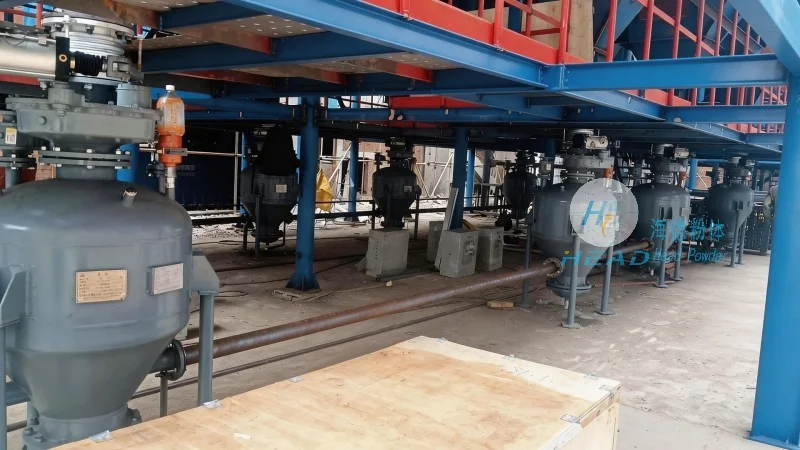
3. Conveying and Transport: The air-material mixture travels through the pipeline at high velocity, moving the methylcellulose from the source to the destination. The pipeline design, including the diameter and length, is optimized to minimize pressure drop and ensure the material reaches the receiver without degradation or clogging.
4. Discharge and Separation: At the receiving end, the air and material are separated. The material is collected in a receiver or silo, while the air is either vented to the atmosphere or recycled through a filter system to maintain air quality and prevent contamination.
Key Features of the Pneumatic Conveying Equipment for Methylcellulose
HeadPowder's pneumatic conveying systems for methylcellulose are characterized by several key features that enhance performance and reliability:
1. Hygienic Design: The equipment is constructed with materials that meet food-grade and pharmaceutical standards, ensuring that the methylcellulose remains free from contamination during transport. Smooth surfaces and easy-to-clean components minimize the risk of product buildup and bacterial growth.
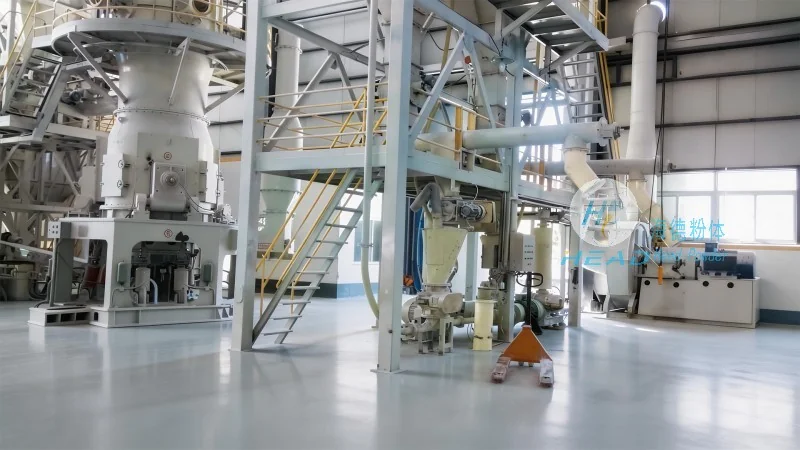
2. Adjustable Flow Control: The system includes advanced control mechanisms that allow operators to adjust the feed rate and air pressure in real-time. This flexibility is crucial for handling varying material properties and ensuring consistent product quality.
3. Low Maintenance Requirements: The design minimizes moving parts and uses wear-resistant materials in high-friction areas, reducing the need for frequent maintenance and extending the equipment's service life.
4. Energy Efficiency: By optimizing the air pressure and pipeline design, the system operates with minimal energy consumption, reducing operational costs for the end-user.
5. Customizable Solutions: HeadPowder offers tailored solutions based on the specific requirements of each application, including different pipeline configurations, material handling capacities, and integration with existing production lines.
Applications and Benefits
The pneumatic conveying equipment for methylcellulose is widely used in industries where precise and hygienic material transport is essential. Some common applications include:
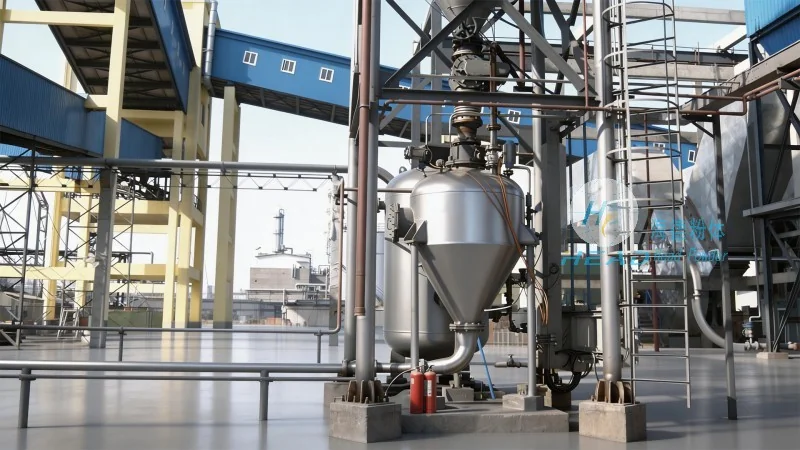
1. Pharmaceutical Manufacturing: For the transport of methylcellulose used in drug formulations, where contamination and uniformity are critical.
2. Food Processing: For handling methylcellulose used as a thickening agent or stabilizer in food products, ensuring that the material remains intact and free from degradation.
3. Chemical Processing: For the transport of methylcellulose in chemical processes where the material needs to be moved between reactors or storage tanks without loss of quality.
By leveraging the advanced features of HeadPowder's pneumatic conveying systems, industries can achieve improved process efficiency, reduced downtime, and enhanced product quality. The equipment's ability to handle challenging materials like methylcellulose makes it a valuable asset for any production line that requires reliable and hygienic material transport.




